World's First Snake Census: What It Means and Why It Matters
Madhya Pradesh, India is launching the world's first snake census. Learn why this project is important, how it will work, and what the future holds.



Madhya Pradesh, India is launching the world's first snake census. Learn why this project is important, how it will work, and what the future holds.
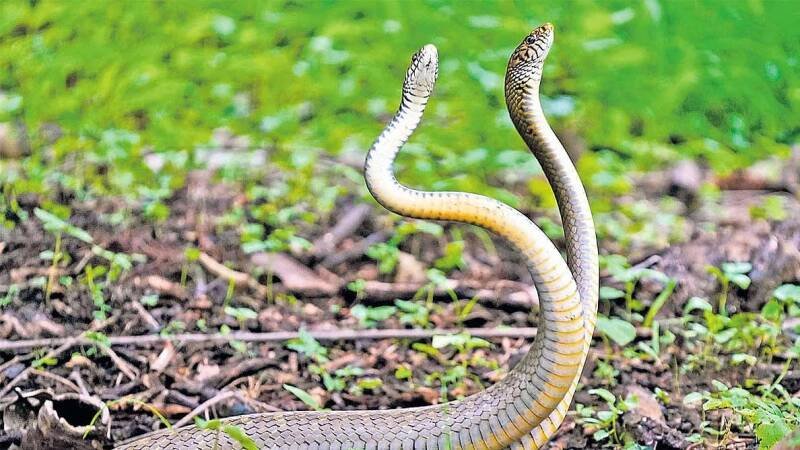
In a groundbreaking move for wildlife conservation, the state of Madhya Pradesh (MP) in India has given the green light to what officials are calling the world's first-ever scientific snake census. This ambitious project, spearheaded by the Wildlife Institute of India (WII), aims to map snake populations within the state's protected areas. The proposal, championed by Chief Minister Mohan Yadav, is intended to provide crucial data for addressing the pressing issue of snakebite incidents.
The initiative stems from a growing concern about human-wildlife conflict, particularly the high incidence of snakebites in MP. The census will focus on understanding the distribution and abundance of different snake species within reserves and sanctuaries. This data will then be used to develop targeted strategies for mitigating snakebite risk and promoting coexistence.
The survey is scheduled to commence before or during the monsoon season, a period of increased snake activity. The WII will employ cutting-edge scientific methods to accurately estimate snake populations across various habitats within the designated protected areas.
This isn't just about counting snakes; it's about public health, biodiversity, and responsible conservation. Here's why this census is significant:
In our opinion, this snake census is a vital and timely initiative. The lack of reliable data on snake populations has hampered conservation efforts and made it difficult to address the snakebite crisis effectively. This project will provide the scientific basis for informed decision-making.
The involvement of the Wildlife Institute of India (WII) lends credibility to the project. The WII's expertise in wildlife research and conservation ensures that the census will be conducted using rigorous scientific methodologies. We believe their data collection and analysis will be thorough and reliable.
However, the success of the census will depend on several factors, including sufficient funding, trained personnel, and effective collaboration between government agencies, research institutions, and local communities. The project also needs to consider the ethical implications of handling and studying wild animals.
The data gathered from this census could impact several areas:
Looking ahead, we anticipate that other regions facing similar challenges with snakebites and biodiversity conservation will take note of this initiative. This could potentially lead to the adoption of similar snake census projects in other parts of India and across the globe, contributing to a greater understanding and appreciation of these often-misunderstood creatures.
Ultimately, the success of Madhya Pradesh's snake census will pave the way for a more informed and effective approach to snake conservation and human-wildlife coexistence. This could be a major step forward for biodiversity conservation and public health in India and beyond.