Students Create Eco-Friendly Coolers from Clay: A Sustainable Solution for Schools
Learn how students in Delhi are using discarded clay cups (kulhads) to create eco-friendly coolers, reducing classroom temperatures and inspiring sustainable solutions.
Students Create Eco-Friendly Coolers from Clay: A Sustainable Solution for Schools
Imagine classrooms that stay cool even during the scorching summer months, without relying on expensive air conditioning. That's the reality a group of innovative students in Delhi are making possible.
Project Vaayu: Turning Waste into Cool Air
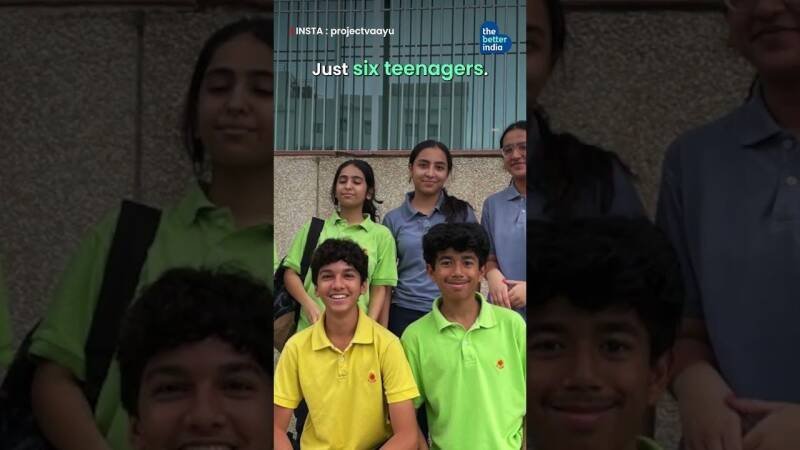
Six Class 10 students, led by Amaira, have come up with a brilliant solution to combat classroom heat: eco-friendly coolers made from discarded kulhads, traditional clay cups commonly used for serving tea in India. They call their project "Project Vaayu."
These students took discarded kulhads and created an innovative design using scrap metal, basic motors, and the natural cooling properties of clay. The result? A simple, effective, and sustainable cooling system.
How Does It Work?
The kulhads are arranged in a way that allows water to slowly seep through the porous clay. As the water evaporates, it absorbs heat from the surrounding air, creating a cooling effect. A small motor-powered fan then circulates this cooled air around the classroom.
The impact is significant. Project Vaayu has successfully reduced classroom temperatures by 6 to 8°C (approximately 11 to 14°F), making a tangible difference in the comfort and concentration of students.
Why This News Matters
This story is important for several reasons:
- It highlights the power of youth innovation: Young people are capable of developing creative solutions to pressing environmental challenges.
- It promotes sustainability: By repurposing waste materials, Project Vaayu reduces environmental impact and promotes a circular economy.
- It offers an affordable cooling solution: In a country where access to air conditioning is limited for many, especially in schools, this low-cost alternative can make a significant difference.
- It inspires others: The success of Project Vaayu encourages other communities to explore similar sustainable solutions.
Our Analysis
In our opinion, Project Vaayu is a shining example of how ingenuity and a commitment to sustainability can lead to real-world impact. The project's simplicity is its strength, demonstrating that effective solutions don't always require complex technology or vast resources. The resourcefulness of the students is commendable, and their dedication to creating a more comfortable learning environment is truly inspiring.
This could impact how schools approach climate control in developing nations. Instead of relying solely on energy-intensive air conditioning, they can explore passive cooling solutions like Project Vaayu.
Future Outlook
The future of Project Vaayu looks promising. Currently impacting over 400 children across four schools, there's enormous potential for scaling up the project and implementing it in more schools across India and beyond. We believe the next step is to refine the design for mass production, making it even more accessible and affordable.
Further research and development could focus on improving the efficiency of the coolers, exploring different types of clay, and optimizing the airflow design. Collaboration with local businesses and government agencies could provide the necessary support for widespread implementation.
Ultimately, Project Vaayu is more than just a cooling system; it's a testament to the power of innovation, sustainability, and the determination of young people to create a better future.