Uranium Mining Proposal in New Mexico Sparks Environmental Concerns
A proposed uranium drilling project near the Chama River in New Mexico raises environmental and health concerns as demand for uranium surges. Learn about the potential impact and future outlook.
Uranium Drilling Proposal near Chama River Sparks Controversy
A new proposal for uranium drilling in the Chama watershed of New Mexico is raising serious concerns among environmental groups and local communities. This comes at a time when the price of uranium is climbing, driven by increased demand for both nuclear weapons and nuclear power generation.
The Proposal: A Closer Look
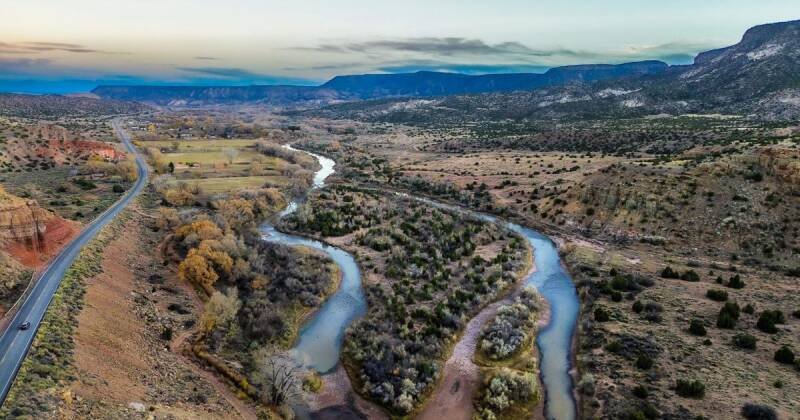
Mining companies are increasingly looking to New Mexico as a potential source of uranium. The specific proposal involves exploratory drilling to assess the viability of future uranium extraction near the Chama River, a vital water source for the region.
Why This News Matters
This proposal matters because it directly impacts the environment and public health. Uranium mining can release radioactive materials into the soil and water, potentially contaminating drinking water sources and ecosystems. The Chama River is particularly vulnerable because it's a critical source of water for agriculture, communities, and wildlife downstream.
Furthermore, New Mexico has a long history of uranium mining, leaving behind a legacy of environmental contamination. This past contamination presents ongoing challenges for cleanup and remediation efforts. Any new mining activity has the potential to exacerbate these existing problems.
Our Analysis
In our opinion, the proposed drilling project presents a complex situation. On one hand, increased uranium production could contribute to energy independence and the development of nuclear power, which can be a low-carbon energy source. On the other hand, the potential environmental risks are significant and must be carefully considered.
The Environmental Risks
The main concerns include:
- Water Contamination: Uranium and other heavy metals can leach into groundwater and surface water, posing a health risk to humans and wildlife.
- Soil Erosion: Mining activities can disrupt the soil, leading to erosion and sedimentation in waterways.
- Radioactive Dust: The extraction process can release radioactive dust into the air, which can be inhaled and cause respiratory problems.
- Legacy Waste: New mining can disturb or add to existing legacy waste, compounding cleanup challenges.
This could impact local communities by jeopardizing their water supply and way of life. It's crucial that any proposed mining activity undergoes a thorough environmental review and adheres to the highest safety standards. Transparency and public participation in the decision-making process are also essential.
Future Outlook
The future of the proposed uranium drilling project is uncertain. It will depend on several factors, including the results of environmental impact assessments, public opinion, and regulatory approvals. The price of uranium will also play a significant role in determining whether the project is economically viable.
Potential Scenarios
Here are a few possible scenarios:
- Approval with Strict Regulations: The project could be approved with stringent environmental regulations and monitoring requirements to minimize the risks of contamination.
- Rejection: The project could be rejected due to significant environmental concerns or public opposition.
- Delay: The project could be delayed pending further studies or regulatory reviews.
Ultimately, the decision will need to balance the potential economic benefits of uranium production with the need to protect the environment and public health. In our opinion, a precautionary approach is warranted, given the potential risks associated with uranium mining. It is important that all stakeholders – mining companies, government agencies, and local communities – work together to ensure that any development is sustainable and responsible.