Al Qaeda Attacks in Mali: What It Means and What's Next
Explore the recent al Qaeda-linked attacks on Mali army bases, the implications for regional security, and our expert analysis of the situation.
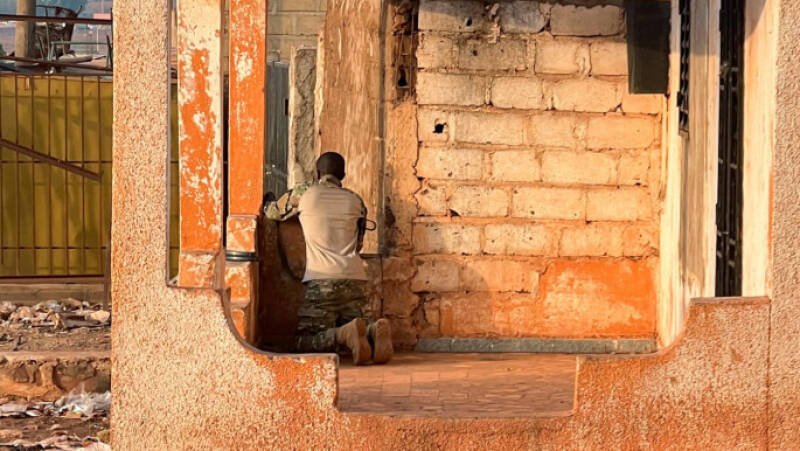



Explore the recent al Qaeda-linked attacks on Mali army bases, the implications for regional security, and our expert analysis of the situation.
Mali's army recently reported a major assault on multiple army bases, with the attacks claimed by militants linked to al Qaeda. The attacks targeted sites in and around Bamako, the capital city.
According to a statement from the Malian army, they successfully repelled the assault, claiming to have killed "several hundred" of the attackers. While details remain limited, the scale of the attacks suggests a coordinated and ambitious operation by the militant group, Jama'at Nasr al-Islam wal Muslimin (JNIM), which is affiliated with Al Qaeda.
This is a concerning development, particularly because the attacks took place relatively close to the capital city. Previous attacks have often been concentrated in the northern and central regions of Mali.
These attacks represent a significant escalation in the conflict between the Malian government and al Qaeda-linked groups. The ability of these groups to strike near the capital demonstrates their growing reach and capability. This could impact the confidence of the population in the Malian government's ability to provide security. A major destabilizing event in Bamako will have far reaching impact for Mali.
In our opinion, the Malian army's claim of killing "several hundred" attackers should be treated with caution. It is difficult to verify such claims in conflict zones. The army may have a vested interest in exaggerating the number to show a strong response to the attacks.
The attacks highlight a number of vulnerabilities:
The withdrawal of international forces, particularly French troops, from Mali could impact the security situation and make it more challenging for the Malian army to contain the insurgency.
The future of Mali's security remains uncertain. Several factors could influence the trajectory of the conflict:
This could impact the stability of the Malian government, especially if they are unable to demonstrably improve the security situation for the people of Mali. In our opinion, a more comprehensive approach, combining military action with political and socio-economic reforms, is needed to address the root causes of the conflict and achieve lasting peace.
We anticipate increased military activity in the region, both from the Malian army and the militant groups. There is also the potential for further attacks in and around Bamako, which will further destabilize the country. The next few months will be critical in determining the future course of the conflict in Mali and the wider Sahel region.