Karnataka Residential Schools Achieve Stellar SSLC Results: A Closer Look
Karnataka's residential schools achieve a 99.4% pass rate on the SSLC exam. Discover the context, analysis, and future implications of this remarkable success.
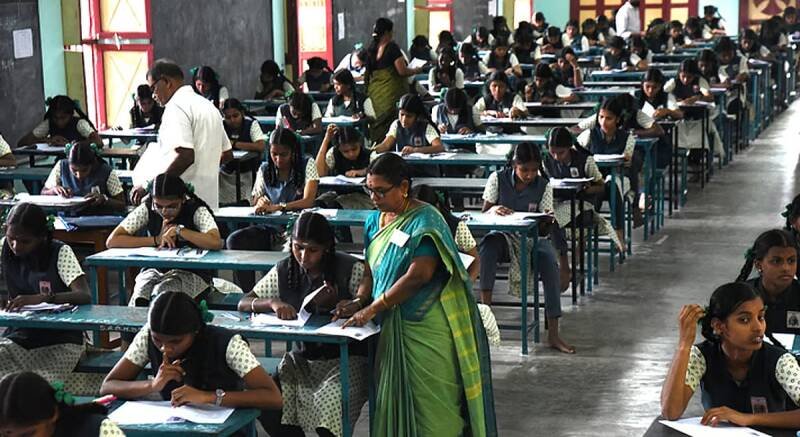



Karnataka's residential schools achieve a 99.4% pass rate on the SSLC exam. Discover the context, analysis, and future implications of this remarkable success.
Karnataka's residential schools have achieved a remarkable feat in the recent Secondary School Leaving Certificate (SSLC) examinations. According to Minister HC Mahadevappa, an impressive 99.4% of students from these institutions have successfully passed the test. This translates to 34,809 out of 35,014 students from 788 residential schools clearing the SSLC exam, marking a significant achievement in the state's education sector.
The SSLC exam is a crucial milestone for students in Karnataka, representing the culmination of their secondary education and a gateway to higher studies. The strong performance of residential schools highlights the potential of focused and supportive learning environments.
Residential schools in Karnataka play a vital role in providing education to students from diverse backgrounds, often catering to those from underprivileged communities or remote areas. These schools offer a holistic learning experience, encompassing academic instruction, boarding facilities, and extracurricular activities, all within a structured environment.
This news is significant for several reasons:
The exceptional performance of Karnataka's residential schools in the SSLC exams is likely attributable to a combination of factors. Dedicated teachers, structured learning environments, and targeted support programs are undoubtedly crucial. Furthermore, the residential setting allows for focused learning, minimizing distractions and providing students with access to resources and mentorship.
In our opinion, the government's investment in these schools is paying dividends, as evidenced by the students' performance. This success may also indicate effective leadership and administration within these institutions. However, it's important to consider the selection process for students entering these schools. Are the most promising students being selected, potentially skewing the results? More information is needed to perform a totally accurate assessment.
While these results are encouraging, it's crucial to analyze the data further. We need to examine the performance of individual schools, subject-wise scores, and demographic data to identify areas of strength and areas that require further improvement. We must also ensure that these schools are adequately funded and equipped to continue delivering high-quality education.
The success of Karnataka's residential schools presents a promising outlook for the future of education in the state. By replicating the best practices of these institutions and extending support to other schools, Karnataka can strive to achieve even greater educational equity and excellence.
This could impact the perception of residential schools, encouraging parents to enroll their children and attracting more funding and resources. Furthermore, the success story can inspire similar initiatives in other states, contributing to overall improvement in the national education landscape.
However, sustaining this success will require ongoing commitment and investment. We need to ensure that teachers are well-trained and motivated, that curriculum is relevant and engaging, and that students have access to the resources and support they need to thrive. The future also involves integrating technology into the curriculum and focusing on developing 21st-century skills to prepare students for future challenges. In our opinion, the key to long-term success is continuous evaluation and adaptation to the evolving needs of students and society.
























