Therapy Dogs in Cebu: How Rescued Dogs Are Helping Girls Heal
Learn how rescued dogs in Cebu are being trained as therapy dogs to help girls recovering from trauma. Discover the benefits of animal-assisted therapy and the impact on the community.
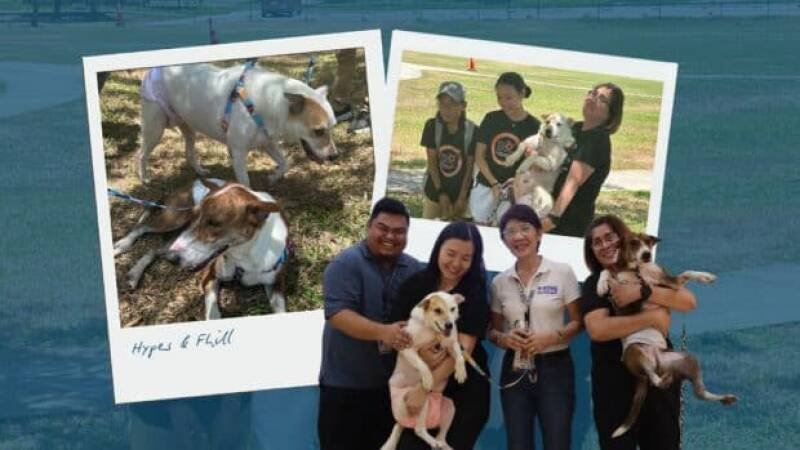



Learn how rescued dogs in Cebu are being trained as therapy dogs to help girls recovering from trauma. Discover the benefits of animal-assisted therapy and the impact on the community.
In Lapu-Lapu City, Cebu, two rescued "aspins" (local Filipino dogs), named Hyper and Fhill, are making a significant difference in the lives of young girls recovering from trauma. These dogs, once abandoned, are now being trained as therapy dogs under the Department of Social Welfare and Development's (DSWD) Angel Project.
Their calm demeanor and friendly nature are proving to be invaluable assets in helping these girls heal and rebuild their lives. Imagine the comfort of a warm, furry friend during a difficult time – that’s what Hyper and Fhill offer.
Animal-assisted therapy, or AAT, uses animals to improve a person’s social, emotional, or cognitive functioning. Trained animals and their handlers work together to help individuals achieve specific therapy goals. The presence of an animal can reduce stress, lower blood pressure, and release endorphins, creating a calming and supportive environment. This is especially helpful for individuals who have experienced trauma, as it can create a sense of safety and trust.
For many who struggle to connect with therapists or open up about their experiences, an animal can act as a bridge, making it easier to express emotions and begin the healing process.
This story is more than just heartwarming; it highlights the potential of animal-assisted therapy to address mental health challenges, particularly in vulnerable populations. It also shines a light on the value of rescuing and training local dogs. Many people overlook aspins, but this project proves they can be incredibly intelligent and compassionate animals, perfectly suited for therapeutic roles.
Furthermore, the DSWD’s Angel Project demonstrates a commitment to innovative and holistic approaches to healing, moving beyond traditional methods to incorporate the unique benefits of animal companionship.
The success of Hyper and Fhill's training as therapy dogs is a testament to the power of second chances – both for the dogs and the girls they are helping. In our opinion, this project is a win-win. The dogs find purpose and loving homes, while the girls receive invaluable emotional support. The DSWD deserves praise for recognizing the potential of AAT and investing in this innovative program.
This initiative also has the potential to shift perceptions of aspins. By showcasing their intelligence and gentle nature, the project can encourage more people to consider adopting rescued local dogs, reducing the number of animals in shelters and giving more dogs a chance at a fulfilling life.
The success of the Angel Project could lead to the expansion of animal-assisted therapy programs across the Philippines. If Hyper and Fhill continue to thrive, and the positive impact on the girls is evident, we believe that other organizations and government agencies may be inspired to implement similar initiatives.
This could impact the way mental health services are delivered, offering a more accessible and compassionate approach to healing trauma. Imagine a future where therapy dogs are readily available in schools, hospitals, and community centers, providing comfort and support to those in need.
Moreover, increased awareness of the benefits of animal-assisted therapy could lead to greater funding and resources for animal shelters and rescue organizations, ultimately improving the welfare of animals across the country.
The journey of Hyper and Fhill is just beginning, but their story offers a glimpse of hope and a reminder that sometimes, the most profound healing comes from the most unexpected sources. This could be a turning point for animal welfare and trauma recovery in the Philippines.