Bear Deaths at BC Wildlife Rescue: Understanding the Tragedy and Its Implications
Five bears have tragically died at the Northern Lights Wildlife Society in BC. Learn about the possible cause, the impact on bear conservation, and the future outlook for wildlife rescue efforts.
Tragedy Strikes: Five Bears Die at BC Wildlife Rescue Society
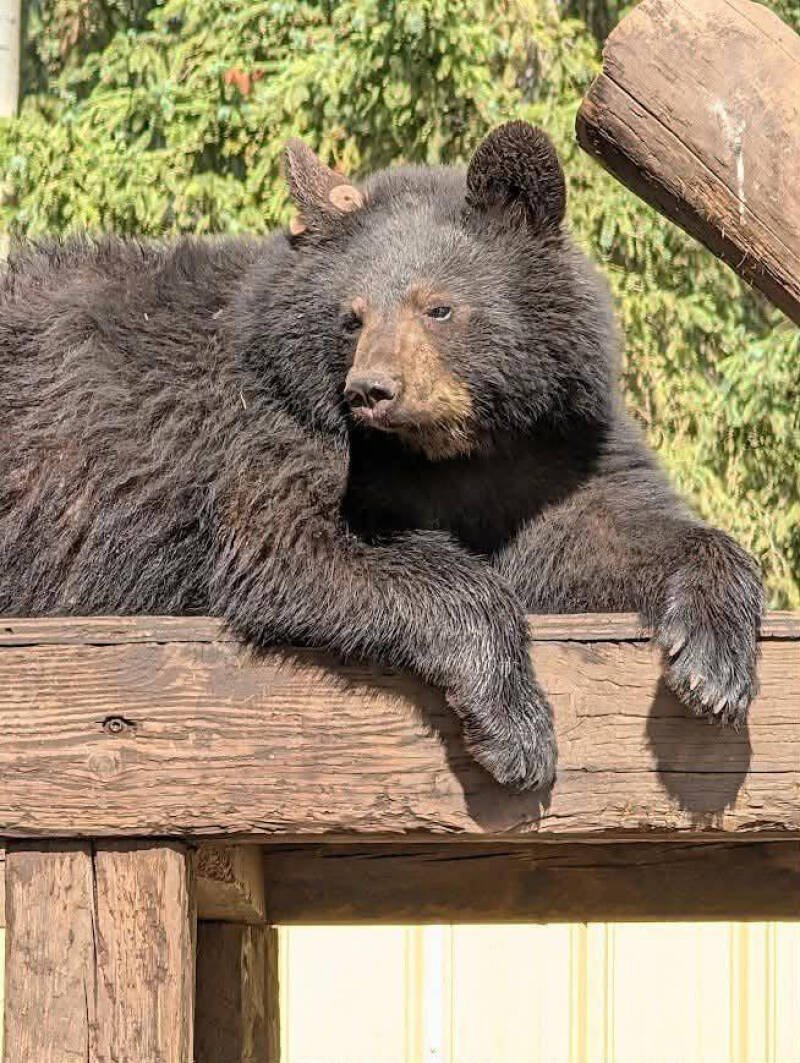
The Northern Lights Wildlife Society in British Columbia is mourning the loss of five bears, all recent intakes from Vernon, Trail, and Dawson Creek. The deaths are particularly devastating for the organization, which dedicates itself to rescuing and rehabilitating injured and orphaned wildlife.
Possible Cause: A Parasitic Infection
While the exact cause of death is still under investigation, early indications point towards a parasitic infection. Further testing is underway to confirm the specific parasite involved and to determine the extent of the potential outbreak within the facility.
Parasites can be a significant threat to wildlife populations, especially in confined environments where transmission can occur rapidly. Wildlife rescue centers must maintain extremely rigorous hygiene protocols to prevent and manage outbreaks.
Why This News Matters
The deaths of these bears highlight several critical issues related to wildlife rescue and conservation:
- The vulnerability of rescued animals: Animals that come into rescue centers are often already weakened by injury, abandonment, or illness, making them more susceptible to disease.
- The importance of biosecurity: Maintaining strict biosecurity measures is essential to prevent the spread of disease within rescue facilities and to protect the health of all animals.
- The impact on bear populations: The loss of even a few bears can have a localized impact on bear populations, especially if the deceased were slated for eventual release back into the wild.
- The dedication of rescue organizations: This tragedy underscores the challenges and emotional toll faced by wildlife rescue organizations, who work tirelessly to care for vulnerable animals.
Our Analysis
In our opinion, this incident serves as a stark reminder of the delicate balance involved in wildlife rehabilitation. While the Northern Lights Wildlife Society is undoubtedly doing valuable work, this situation underscores the inherent risks involved in caring for wild animals in a captive environment.
The investigation into the parasitic infection needs to be thorough and transparent. Understanding the source of the infection and how it spread is crucial to prevent future outbreaks. This includes examining existing protocols and identifying areas for improvement. Were the bears properly quarantined upon arrival? What protocols were in place for deworming and parasite prevention? These questions need answering.
The Importance of Preventative Measures
Going forward, this incident emphasizes the importance of preventative measures. This includes regular parasite screening, robust quarantine procedures for new arrivals, and rigorous hygiene protocols throughout the facility. Funding for wildlife rescue organizations needs to prioritize these essential preventative measures.
Future Outlook
The future outlook for the Northern Lights Wildlife Society hinges on their ability to learn from this tragedy and implement the necessary changes to prevent future outbreaks. This includes collaborating with veterinary experts to develop and refine their biosecurity protocols.
This incident could impact public perception and support for wildlife rescue organizations. It's crucial that the Northern Lights Wildlife Society communicates transparently with the public about the investigation and the steps they are taking to improve their practices. By doing so, they can rebuild trust and continue their vital work.
Ultimately, the long-term health and resilience of bear populations depend on effective conservation efforts, which include both habitat protection and responsible wildlife rehabilitation. The death of these five bears is a sad reminder of the fragility of life and the importance of protecting our wildlife.