Does Your USB Cable Support Fast Charging? A Simple Guide
Is your USB cable slowing down your charging? Learn how to identify fast charging USB cables and get the fastest charge possible.
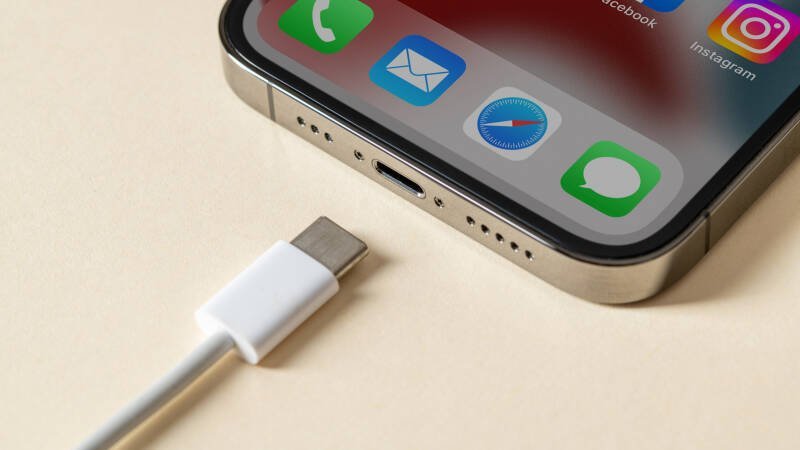



Is your USB cable slowing down your charging? Learn how to identify fast charging USB cables and get the fastest charge possible.
We've all been there: plugged in our phone, tablet, or laptop, only to wait seemingly forever for it to charge. While the power adapter plays a significant role, the unassuming USB cable is often the bottleneck. Not all USB cables are created equal; some support fast charging, and others... well, they just don't. This guide will help you understand how to determine if your USB cable can handle the demands of fast charging and get your devices powered up quicker.
Fast charging isn't just a marketing term; it relies on delivering more power (measured in watts) to your device. Power is a product of voltage and amperage (Volts x Amps = Watts). Standard USB connections used to provide a trickle of power, but modern fast charging technologies, such as USB Power Delivery (USB PD) and Quick Charge, can significantly increase both voltage and amperage, leading to much faster charging times.
The problem is, older or cheaper USB cables might not be designed to handle the higher power loads required for fast charging. Using such a cable can result in slow charging, even if you have a fast-charging adapter. Worse, an inadequate cable could potentially damage your device or the charging adapter (though this is rare with modern safety features).
Here are several methods you can use to determine if your USB cable is up to the task of fast charging:
This knowledge is crucial for several reasons. Firstly, it saves you time. Using the correct cable ensures your devices charge as quickly as possible. Secondly, it protects your investment. Using a cable that can handle the required power helps to prevent potential damage to your devices or chargers. Finally, it empowers you to make informed purchasing decisions. Next time you buy a USB cable, you'll know what to look for to ensure it meets your fast charging needs.
In our opinion, the lack of clear labeling on many USB cables is a significant problem. Consumers often assume that all USB cables are created equal, which is simply not the case. Manufacturers should be more transparent about the capabilities of their cables, especially regarding power delivery. The industry needs better standardization and clearer labeling practices to prevent confusion and ensure consumers get the performance they expect.
This could impact consumer satisfaction and trust in charging technology. When devices don't charge as quickly as advertised, the blame often falls on the device itself, rather than the inadequate cable. This can lead to negative reviews and a perception that the technology is unreliable.
The future of USB charging is likely to see even higher power delivery capabilities with newer USB standards. As devices require more power, the importance of using high-quality, fast-charging-compatible USB cables will only increase. We anticipate continued advancements in cable technology, including improved materials and designs that can handle higher power loads more efficiently. We also expect to see more manufacturers adopting clearer labeling practices to help consumers make informed choices.
In addition, wireless charging technology continues to evolve. While still not as efficient as wired charging, advancements in wireless charging speeds may eventually reduce our reliance on cables altogether. However, for the foreseeable future, understanding the capabilities of your USB cables will remain essential for achieving the fastest charging speeds possible.