AI Chatbot Risks: Lawyers Warn About Using AI Chats in Court
Lawyers warn against sharing sensitive information with AI chatbots, citing potential use against you in legal proceedings. Understand the risks and future implications.
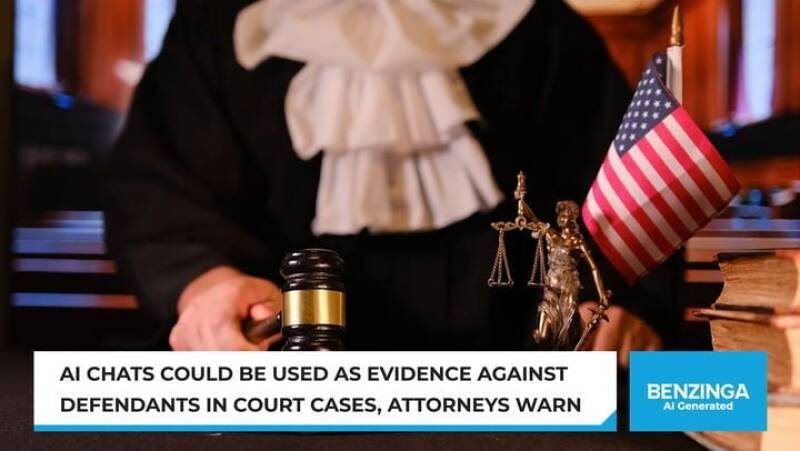



Lawyers warn against sharing sensitive information with AI chatbots, citing potential use against you in legal proceedings. Understand the risks and future implications.
The rise of artificial intelligence (AI) chatbots like ChatGPT has brought incredible convenience to our lives. Need a quick summary? Ask an AI. Stuck on a coding problem? An AI can help. But as more people turn to these tools for advice and assistance, U.S. lawyers are issuing a stark warning: be careful what you share with AI, because it could be used against you in court.
As reported recently, some U.S. lawyers are advising their clients to exercise extreme caution when using AI chatbots. The concern is that information shared with these AI systems could be subpoenaed or otherwise used in legal proceedings. Unlike conversations with your lawyer, which are protected by attorney-client privilege, chats with AI have no such protection.
This means anything you tell an AI chatbot could potentially be accessed and used against you in a legal case. That's a scary thought!
This isn't just a theoretical concern. The implications of this advice are far-reaching:
In our opinion, the lawyers' warnings are entirely justified. While AI chatbots offer undeniable benefits, they also introduce new risks that users must be aware of. The lack of legal precedent surrounding AI data makes the situation even more uncertain. We believe it's crucial to approach these technologies with a healthy dose of skepticism and caution.
The legal system is still trying to catch up with the rapid advancements in AI. Current laws and regulations may not adequately address the unique challenges posed by AI-generated data. This gap in regulation creates a grey area where sensitive information could be vulnerable.
This could impact how businesses integrate AI into their workflows. Companies need to implement robust data security measures and employee training programs to minimize the risk of data leaks through AI chatbot usage. Furthermore, the potential for AI-generated misinformation to influence legal proceedings raises serious ethical considerations.
The legal landscape surrounding AI is constantly evolving. We anticipate the following developments:
Ultimately, the key takeaway is that users need to be mindful of the information they share with AI chatbots. Until stronger legal protections are in place, it's best to err on the side of caution and avoid sharing sensitive or confidential information that could potentially be used against you in the future.
This is a developing story, and we will continue to provide updates as the legal landscape surrounding AI evolves.