Dimapur Deploys ANPR Cameras: A Step Towards Smarter Policing and Cleaner Air
Dimapur introduces high-resolution ANPR cameras to improve traffic management, crime investigation, and air quality. Learn about the technology, its impact, and future implications.
Dimapur Implements ANPR Technology: Enhancing Security and Environmental Efforts
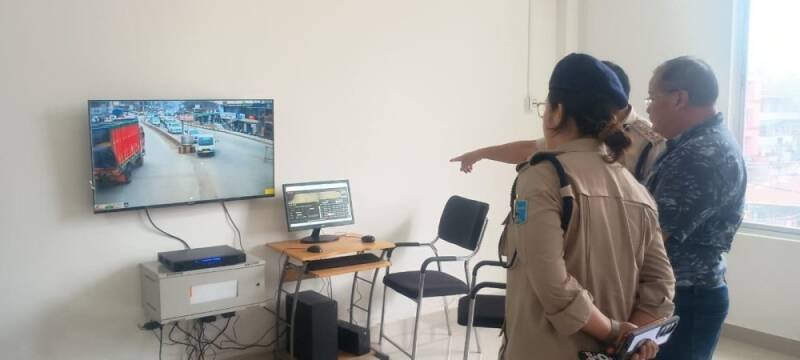
Dimapur, a bustling town in Nagaland, India, has taken a significant leap towards becoming a "smarter" city with the introduction of Automatic Number Plate Recognition (ANPR) technology. On April 30th, local authorities officially launched a network of high-resolution ANPR and CCTV cameras aimed at improving traffic management, assisting in crime investigation, and contributing to cleaner air in the region.
The Technology Behind the Initiative
Funded under the National Clean Air Programme (NCAP), the project encompasses the installation of four high-resolution ANPR cameras and nine color night vision CCTV cameras. These cameras are strategically positioned at four of Dimapur's most congested locations: Dhobinulla, Tragopan point, Nagarjan, and Purana Bazar junctions. Notably, one ANPR camera is already operational on the Purana Bazaar-Chümoukedima 4-lane road.
The system is designed to automatically capture and record the license plates of all vehicles passing through these locations. This data is then transmitted to a centralized command center, currently housed in the under-construction East Police Station building. This command center acts as the nerve center for the entire operation, providing real-time support to traffic police officers in the field.
Officials Laud the Implementation
Commissioner of Police (CP) Dimapur, Aotula T Imchen, and Deputy Commissioner (DC) Dimapur, Dr. Tinojongshi Chang, jointly announced the initiative. CP Imchen emphasized the project's significance in addressing traffic bottlenecks and aligning with the NCAP's goal of reducing air pollution from vehicular emissions. She also highlighted the system's potential to aid in crime investigation and act as a deterrent to criminal activity.
DC Chang further noted that the camera network will be invaluable in tracking hit-and-run cases and apprehending fleeing criminals, as the registration numbers of all passing vehicles are automatically recorded. He also appealed to the public to protect the newly installed infrastructure from theft or vandalism, emphasizing that these resources ultimately benefit the community.
Why This News Matters
The implementation of ANPR technology in Dimapur has several important implications:
- Improved Traffic Management: By monitoring traffic flow in real-time, the system can help authorities identify and address congestion points more effectively.
- Enhanced Crime Investigation: The ability to automatically record vehicle license plates provides law enforcement with a powerful tool for tracking suspects and solving crimes.
- Reduced Air Pollution: By improving traffic flow and reducing congestion, the project aims to minimize vehicular emissions and improve air quality in Dimapur.
- Smart City Initiatives: The ANPR system is a step towards transforming Dimapur into a smarter, more technologically advanced city.
Our Analysis
In our opinion, the introduction of ANPR technology in Dimapur is a positive development with the potential to significantly improve the quality of life for residents. The strategic placement of cameras in high-congestion areas is a smart move, and the establishment of a centralized command center will enable efficient monitoring and response. The system provides a layer of security and may deter criminals. The success of this initiative will depend on several factors, including the proper maintenance of the equipment, the effective training of personnel, and the cooperation of the public.
Potential Challenges
While the benefits of the ANPR system are clear, there are also some potential challenges to consider. These include:
- Data Privacy Concerns: Ensuring the responsible and ethical use of the data collected by the cameras is crucial to protect the privacy of citizens.
- System Maintenance: Regular maintenance and upgrades will be necessary to keep the system functioning effectively.
- Public Acceptance: Gaining the trust and support of the public is essential for the long-term success of the project.
Future Outlook
The district administration has expressed plans to expand the camera network to other areas experiencing traffic congestion using road safety funds. This phased approach allows for a gradual rollout of the technology and provides an opportunity to learn from the initial implementation.
This could impact other cities in Nagaland and Northeast India. If successful, we believe that this ANPR initiative could serve as a model for other cities in India looking to improve traffic management, enhance security, and reduce air pollution.
The ANPR system deployment in Dimapur represents a proactive effort to leverage technology for civic improvement. While potential challenges exist, the initial steps are promising, and the future outlook for Dimapur's smart city transformation appears bright.