AI Chatbots and Legal Risks: Why Your AI Conversations Could Be Used Against You
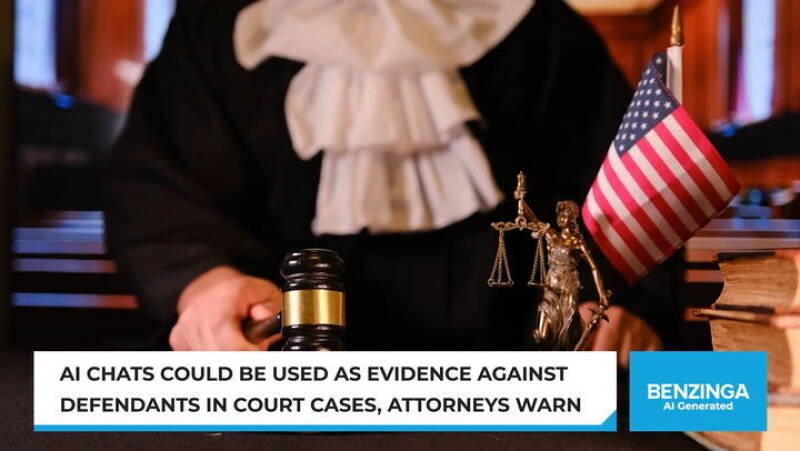
AI ruling prompts warnings from US lawyers: Your chats could be used against you. Learn about the legal risks of AI chatbot conversations and how to protect yourself.



AI ruling prompts warnings from US lawyers: Your chats could be used against you. Learn about the legal risks of AI chatbot conversations and how to protect yourself.
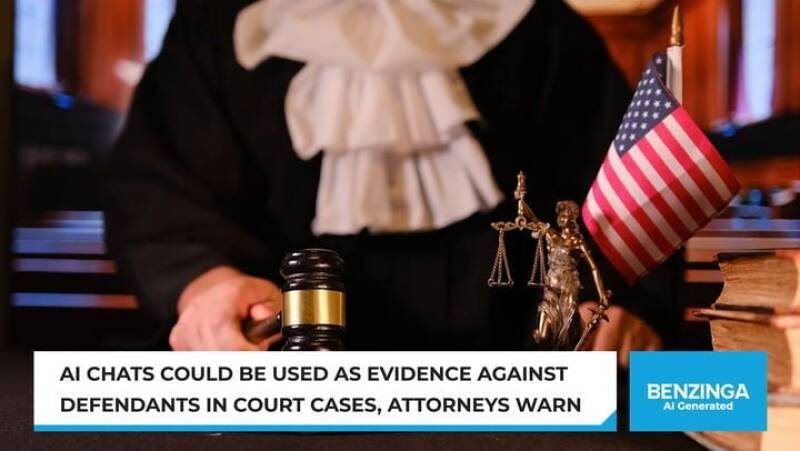
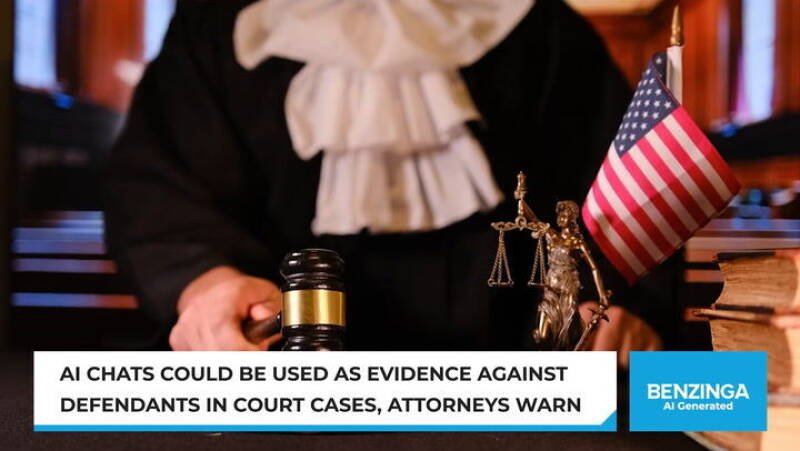
The increasing use of AI chatbots like ChatGPT and Bard is raising serious concerns among US lawyers. They are warning clients that their conversations with these AI systems might not be as private as they think and could potentially be used against them in legal proceedings.
As more people rely on AI for advice and information, lawyers are urging caution. The core issue is that data entered into these chatbots isn't necessarily protected by attorney-client privilege or other privacy safeguards. This means that anything you share with an AI could potentially be accessed, stored, and even used as evidence in court.
This news highlights a critical intersection between technology and the law. Many people are unaware of the privacy implications of using AI chatbots. The fact that legal professionals are issuing warnings underscores the seriousness of the potential risks. It's not just about personal privacy; it's about how AI interactions can impact legal strategy and outcomes.
Imagine asking an AI for advice on a financial matter, revealing sensitive details about your income and assets. If that AI data is compromised or subpoenaed, it could be used against you in a divorce or business dispute. This is why understanding the risks is essential.
In our opinion, this is a wake-up call. The rapid advancement of AI has outpaced the development of clear legal frameworks. Current data privacy laws often don't adequately address the unique challenges posed by AI chatbots. The opacity of how these systems store, process, and potentially share data is a major concern.
One key factor is the lack of consistent policies across different AI platforms. Some companies may have stricter privacy protocols than others, but users often aren't fully aware of these differences. This lack of transparency makes it difficult for individuals to make informed decisions about what information they share with AI.
The future will likely see increased regulation of AI and data privacy. We anticipate that lawmakers will need to create new laws or update existing ones to address the specific risks associated with AI chatbots. This could include stricter requirements for data security, transparency about data usage, and clear guidelines on legal liability.
This could impact AI companies, as they may need to invest heavily in security infrastructure and data protection measures. It could also impact users, who may need to become more cautious about how they interact with AI and what information they share.
Furthermore, the legal profession may need to adapt by developing new ethical guidelines for using AI and advising clients on the risks involved. Expect increased scrutiny of how AI is used in legal research and case preparation.
Ultimately, it's crucial to approach AI chatbots with a degree of skepticism and awareness. Treat them as powerful tools, but not as trusted confidants. Protecting your privacy and legal interests requires careful consideration of the risks involved.