5 Car Design Flaws to Watch Out For Before Buying
Buying a new car? Be aware of these 5 modern car design trends that might actually make your driving experience worse. Learn what to look for and avoid buyer's remorse.



Buying a new car? Be aware of these 5 modern car design trends that might actually make your driving experience worse. Learn what to look for and avoid buyer's remorse.
Buying a new car is exciting. Automakers constantly roll out new features and designs, promising a better driving experience. But sometimes, these "improvements" aren't improvements at all. They can be frustrating, distracting, or even unsafe. Before you sign on the dotted line, be aware of these potential pitfalls in modern car design.
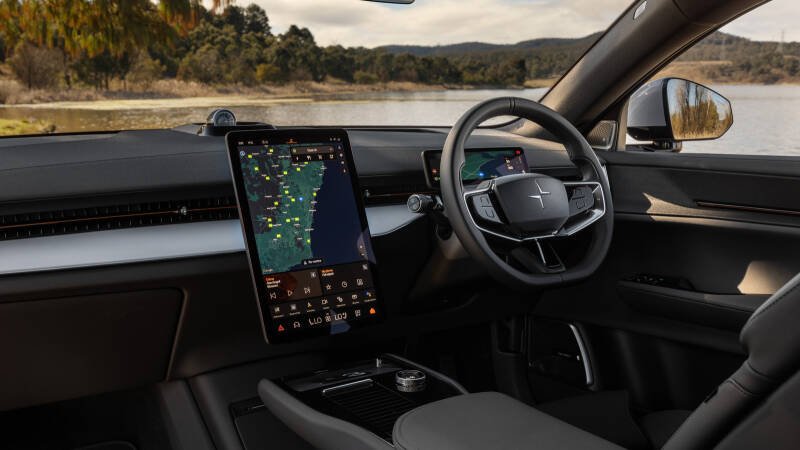
Remember the days of physical buttons and knobs? Many modern cars have replaced them with touchscreens. While they look sleek, touchscreens can be a nightmare to use while driving. Imagine trying to adjust the volume or climate control while navigating traffic. You have to take your eyes off the road to find the right icon, which is incredibly distracting.
The argument for touchscreens is often about aesthetics and streamlining the dashboard. However, usability frequently suffers. Simple tasks that used to take a split second now require multiple taps and swipes. In our opinion, physical controls offer a safer and more intuitive driving experience.
Piano black plastic looks great in showroom photos. It's glossy and gives a premium vibe. But in reality, it's a fingerprint magnet and a dust collector. Scratches are also highly visible, making your interior look worn very quickly. You'll spend more time cleaning it than enjoying the drive.
Think twice before choosing a car with excessive piano black trim. It might look good initially, but the constant cleaning and inevitable scratches will likely lead to frustration.
Modern car designs often prioritize style over visibility. Sleek rooflines and thick pillars can significantly reduce the size of windows, creating blind spots. This can make parking, merging, and navigating tight spaces much more challenging.
Before buying a car, pay close attention to visibility. Test drive it in different conditions and see how easy it is to see around you. Features like blind-spot monitoring systems can help, but they shouldn't be a substitute for good visibility in the first place. In our opinion, driver visibility should be paramount.
Some manufacturers are prioritizing style over comfort. Seats can be too firm, too narrow, or lack adequate support for longer drives. Lumbar support, adjustable headrests, and overall seat shape are crucial for preventing fatigue and discomfort.
Spend ample time sitting in the driver's seat and passenger seats before making a decision. If possible, take a longer test drive to assess comfort levels. Remember, a comfortable seat is essential for a safe and enjoyable driving experience.
New cars are packed with technology, from advanced driver-assistance systems (ADAS) to infotainment features. While some of these features are genuinely helpful, others can be overly complex and confusing to use. A poorly designed interface or an abundance of unnecessary features can be distracting and frustrating.
Don't be swayed by flashy technology that you don't need or understand. Focus on features that enhance safety and convenience without adding unnecessary complexity. It is important to remember that the purpose of technology is to enhance the driver experience not to complicate it.
This news matters because it empowers car buyers to make informed decisions. By being aware of these potential design flaws, you can avoid buyer's remorse and choose a car that truly meets your needs and preferences. Understanding these issues prevents you from falling for marketing hype and ensures a safer, more enjoyable driving experience.
In our opinion, the increasing emphasis on aesthetics and technology in car design sometimes comes at the expense of practicality and safety. While innovation is important, automakers need to prioritize usability and driver comfort. The trend towards touchscreens and complex interfaces is particularly concerning, as it can contribute to driver distraction. A balance between style, technology, and functionality is essential for creating a truly great car.
We expect to see continued advancements in car technology and design. However, there's a growing awareness of the importance of usability and driver safety. Hopefully, automakers will listen to consumer feedback and address these concerns in future models. We anticipate a shift towards more intuitive interfaces, better visibility, and a renewed focus on comfort. This could impact the future design of vehicles, with companies making more pragmatic choices when deciding on vehicle design.