Flex and Teradyne Expand Automation Partnership: What It Means for Manufacturing
Flex and Teradyne deepen their automation partnership. Understand what this means for manufacturing, future trends, and our expert analysis.
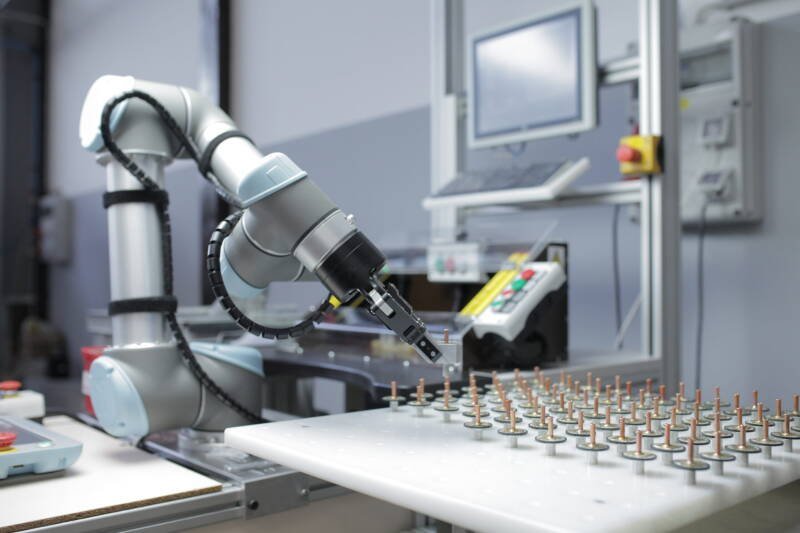



Flex and Teradyne deepen their automation partnership. Understand what this means for manufacturing, future trends, and our expert analysis.
In a move signaling the continued rise of automation in manufacturing, Flex, a global manufacturing solutions provider, has expanded its robotics collaboration with Teradyne Robotics. This deepened partnership aims to streamline component manufacturing, factory deployment, and operational feedback across multiple Flex sites globally. This isn't just about robots; it's about creating a more efficient, data-driven, and ultimately more competitive manufacturing process.
The core of the collaboration revolves around integrating Teradyne's robotics solutions into Flex's manufacturing operations. This integration spans several critical areas:
This partnership is significant because it underscores the growing importance of automation in modern manufacturing. Companies are increasingly turning to robotics and automation to:
For Flex, this partnership represents a strategic investment in the future of manufacturing, allowing them to offer more competitive and efficient solutions to their customers.
In our opinion, this deepened partnership between Flex and Teradyne is a win-win for both companies. Flex gains access to cutting-edge robotics technology, while Teradyne expands its reach into a major global manufacturing network. This could impact other manufacturing companies by creating a need to invest in automation to stay competitive.
The emphasis on operational feedback is particularly noteworthy. By leveraging data collected by robots, Flex can gain valuable insights into its manufacturing processes. This data-driven approach allows for continuous improvement, leading to further efficiency gains and cost reductions.
We believe that this is a sign of things to come. The manufacturing industry is undergoing a significant transformation, driven by advancements in robotics, artificial intelligence, and data analytics. Companies that embrace these technologies will be best positioned to succeed in the future.
Looking ahead, we expect to see further integration of robotics and automation across the manufacturing sector. This trend will likely be driven by several factors, including:
This could also lead to new challenges. Retraining the workforce to work alongside robots and manage automated systems will be crucial. There will also be ethical considerations surrounding job displacement due to automation. However, we believe that the long-term benefits of automation, including increased productivity, improved quality, and enhanced safety, outweigh the challenges.
Ultimately, the Flex-Teradyne partnership serves as a bellwether for the future of manufacturing. It highlights the growing importance of automation and the need for companies to embrace these technologies to remain competitive. The race to automate is on, and the winners will be those who can effectively integrate robotics, data, and human expertise to create more efficient, agile, and resilient manufacturing operations.