AI Chatbot Advice: Why Lawyers Warn Your Chats Can Be Used Against You
Lawyers are warning people about sharing too much personal information with AI chatbots like ChatGPT. Learn why your conversations can be used against you and how to protect yourself.
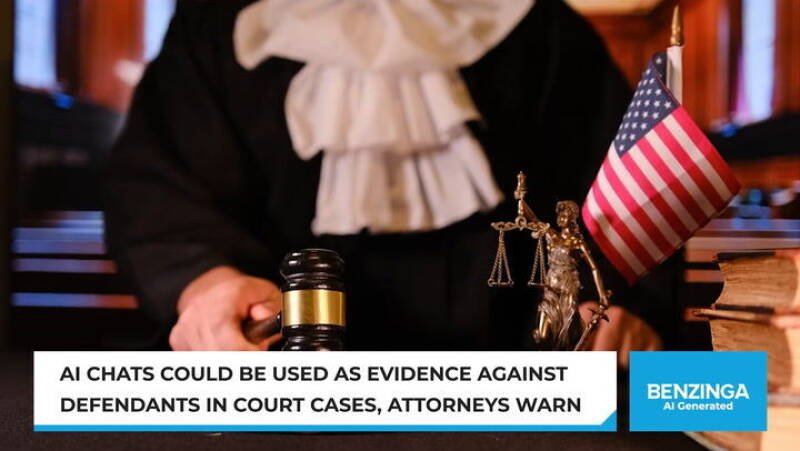
AI Ruling Prompts Warnings from US Lawyers: Your Chats Could Be Used Against You
As artificial intelligence (AI) becomes increasingly integrated into our daily lives, U.S. lawyers are issuing warnings about the risks of sharing sensitive information with AI chatbots like ChatGPT. This follows a recent legal ruling that raises concerns about the privacy and potential misuse of data shared with these AI systems.
The Rise of AI and its Potential Risks
AI chatbots are designed to understand and respond to natural language, making them seem like helpful and trustworthy confidants. People are using them for everything from brainstorming ideas to seeking advice on personal matters. However, it's crucial to remember that these chatbots are not human and operate under complex algorithms that may not guarantee privacy.
The core concern is that anything you share with an AI chatbot could be stored, analyzed, and potentially used against you in various contexts. This includes legal proceedings, employment decisions, or even by malicious actors who might gain access to the chatbot's data.
Why This News Matters
This news is significant because it highlights the growing importance of understanding the privacy implications of using AI. We are in the early stages of AI adoption, and many people are unaware of the potential risks associated with sharing personal information with these systems.
The legal profession is acutely aware of the sensitivity surrounding confidential information. Lawyers have a duty to protect client data, and the potential for AI chatbots to compromise this confidentiality is a major concern. This warning from US lawyers is a wake-up call for everyone to be more cautious about what they share with AI.
Our Analysis
In our opinion, the lawyers' warnings are justified. While AI offers numerous benefits, it's essential to approach it with a healthy dose of skepticism and awareness. The algorithms that power these chatbots are constantly evolving, and the rules governing data privacy in the age of AI are still being developed.
This situation underscores the need for greater transparency and regulation in the AI industry. Companies developing and deploying AI chatbots must be held accountable for protecting user data. Users, in turn, need to be educated about the risks and empowered to make informed decisions about their privacy.
Potential Consequences of Unwary AI Usage
- Legal Ramifications: Sharing information about past or present actions may be used against you in court.
- Employment Issues: Information disclosed to an AI chatbot could be used by employers or potential employers.
- Privacy Breaches: The data you share could be vulnerable to hacking or other security breaches.
Future Outlook
The future will likely see increased regulation of AI data privacy. We anticipate stricter laws governing how AI systems collect, store, and use personal information. Technology companies will also be under pressure to enhance the security of their AI platforms and provide users with more control over their data.
Education will also play a vital role. As AI becomes more pervasive, people will need to develop a better understanding of the risks and how to protect themselves. This includes being mindful of what they share with AI chatbots, using strong passwords, and regularly reviewing privacy settings.
This could impact the design of AI interactions. Future chatbots may be designed with built-in privacy features, such as automatic data deletion or anonymization. However, until these features are widely adopted, it's crucial to err on the side of caution and treat AI chatbots with the same level of discretion you would apply when sharing information with any other online service.
Protecting Yourself When Using AI Chatbots
Here are a few tips to consider:
- Be Mindful: Don't share sensitive or personal information that you wouldn't want made public.
- Review Privacy Policies: Understand how the chatbot's data is collected, used, and stored.
- Use Strong Passwords: Protect your accounts from unauthorized access.
- Assume Nothing is Private: Treat all AI interactions as potentially public.