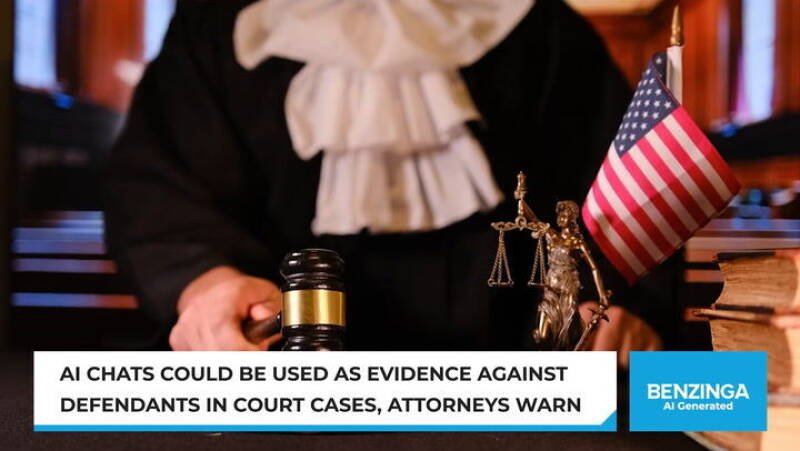
AI Chatbot Advice: Why Lawyers Warn Your Chats Could Be Used Against You
AI chatbots are becoming increasingly popular for seeking advice. But US lawyers are warning clients against treating AI like a confidant. Learn why your AI chats could be used against you.
AI Ruling Prompts Warnings from US Lawyers: Your Chats Could Be Used Against You
Artificial intelligence (AI) is rapidly changing the way we live and work. From writing emails to providing customer service, AI chatbots are becoming increasingly integrated into our daily lives. Many people are now turning to these AI systems for advice, seeking quick answers and solutions to their problems.
However, this growing reliance on AI has raised concerns among legal professionals. Some U.S. lawyers are now advising their clients to exercise caution when interacting with AI chatbots, warning that these conversations might not be as private as they seem. Your chats could be used against you, they say.
The Risk of Exposing Sensitive Information
The core of the issue lies in the way AI chatbots function. These systems learn from the vast amounts of data they are trained on, including the information users input during conversations. This means that any data you share with an AI chatbot could potentially be stored, analyzed, and even used for purposes you might not be aware of. It is not the same as lawyer-client confidentiality.
Imagine asking an AI chatbot for advice on a personal or business matter. You might inadvertently reveal sensitive details about your finances, relationships, or business strategies. This information could then be accessible to third parties, either through data breaches or through the AI system's internal processes. This creates a serious legal risk.
Why This News Matters
This news is significant because it highlights the potential legal and ethical pitfalls of using AI chatbots without understanding their limitations. We have to remember that these AI systems are not human lawyers or therapists bound by confidentiality agreements. They are complex algorithms that operate according to their programming, which may not always align with our expectations of privacy.
This also impacts businesses. If a company uses AI to help with legal questions, they must be aware that those questions and prompts, in turn, can be used as training data. This can potentially lead to exposing their company's practices.
Our Analysis
In our opinion, the warnings from U.S. lawyers are well-founded. While AI chatbots can be valuable tools for accessing information and generating ideas, they should not be treated as trusted confidants. It is crucial to understand that these systems are not subject to the same legal and ethical obligations as human professionals.
The lack of clear regulations surrounding AI data privacy is a significant concern. Current laws may not adequately address the unique challenges posed by AI systems that collect and process vast amounts of user data. This gap in regulation leaves users vulnerable to potential privacy breaches and misuse of their information.
What Information Should You Avoid Sharing?
- Personal Financial Details: Bank account numbers, credit card information, investment details.
- Confidential Business Information: Trade secrets, strategic plans, client lists.
- Personal Health Information: Medical history, diagnoses, treatments.
- Legal Matters: Details about ongoing or potential legal disputes.
- Personally Identifiable Information (PII): Social Security numbers, dates of birth, addresses.
Future Outlook
The future will likely see increasing scrutiny of AI data privacy and the development of new regulations to address these concerns. We anticipate that AI developers will be under pressure to implement stronger data security measures and provide greater transparency about how user data is collected, stored, and used.
This could impact the development and adoption of AI technologies. If users become too concerned about privacy risks, they may be less likely to use AI chatbots and other AI-powered services. This could slow down the progress of AI innovation. In our opinion, establishing trust and ensuring data protection will be critical for the continued growth of the AI industry.
Moving forward, it will be essential for users to educate themselves about the risks associated with AI chatbots and adopt safe practices when interacting with these systems. This includes carefully considering what information to share, reviewing the AI provider's privacy policy, and being aware of the potential for data breaches.