3D-Printed Cylinder Head: Can it Survive the Heat? Longevity Test and Analysis
Explores the durability of 3D-printed cylinder heads in internal combustion engines. Analysis, future implications, and why this technology matters.
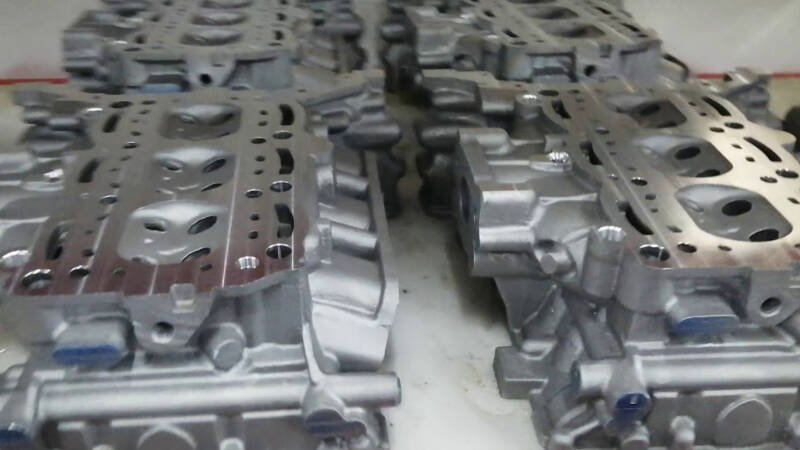



Explores the durability of 3D-printed cylinder heads in internal combustion engines. Analysis, future implications, and why this technology matters.
The world of automotive engineering is constantly evolving, with 3D printing (also known as additive manufacturing) emerging as a game-changing technology. One fascinating application is the creation of cylinder heads using 3D printing. But a crucial question arises: how long can a 3D-printed cylinder head withstand the intense conditions inside a running engine?
Traditional manufacturing methods for cylinder heads involve casting, machining, and assembly. 3D printing offers a potentially faster, more flexible, and even more efficient alternative. It allows engineers to create complex geometries, optimize internal cooling channels, and even use advanced materials that are difficult to work with using conventional methods. This could lead to lighter, more powerful, and more fuel-efficient engines.
Imagine designing a cylinder head with intricate cooling passages that precisely target hot spots. 3D printing makes this possible, paving the way for significant performance improvements.
This topic matters because it highlights the potential of additive manufacturing to revolutionize the automotive industry. If 3D-printed cylinder heads prove to be durable and reliable, it could lead to:
The longevity of a 3D-printed cylinder head depends on several factors, including the material used, the printing process, and the engine's operating conditions. Metal 3D printing technologies like Selective Laser Melting (SLM) or Direct Metal Laser Sintering (DMLS) are commonly used to create these parts.
The key challenge lies in ensuring the 3D-printed material can withstand the high temperatures, pressures, and vibrations within an internal combustion engine. Factors such as material porosity, layer adhesion, and residual stresses from the printing process can affect the cylinder head's durability. Rigorous testing is critical to identify and address these potential weaknesses.
In our opinion, while the technology is promising, it's still in its early stages. Achieving the same level of reliability as traditionally manufactured cylinder heads requires ongoing research, development, and refinement of 3D printing techniques.
The most vulnerable parts of the cylinder head within the engine operating enviornment are the combustion chamber face, valve seats and coolant passages. These are subjected to the most intense heat, pressure and chemical corrosion.
The future of 3D-printed cylinder heads looks promising. As materials and printing technologies continue to advance, we can expect to see:
This could impact the entire automotive supply chain, with potential for smaller, more agile manufacturers to enter the market. Imagine a future where you can order a custom-designed cylinder head tailored to your specific engine and driving needs, printed on-demand.
While widespread adoption may still be years away, the progress being made in 3D printing is undeniable. The potential benefits for performance, efficiency, and customization are too significant to ignore. We believe that 3D printing will play an increasingly important role in the future of engine technology, and the longevity of these parts will only improve with time.