AI Chatbots and Legal Risks: Why Your AI Conversations Might Be Used Against You
Lawyers warn: AI chatbot conversations could be used against you in legal proceedings. Learn about the risks, how to protect yourself, and the future of AI in legal settings.
AI Ruling Prompts Warnings: Your AI Chats Could Be Used Against You
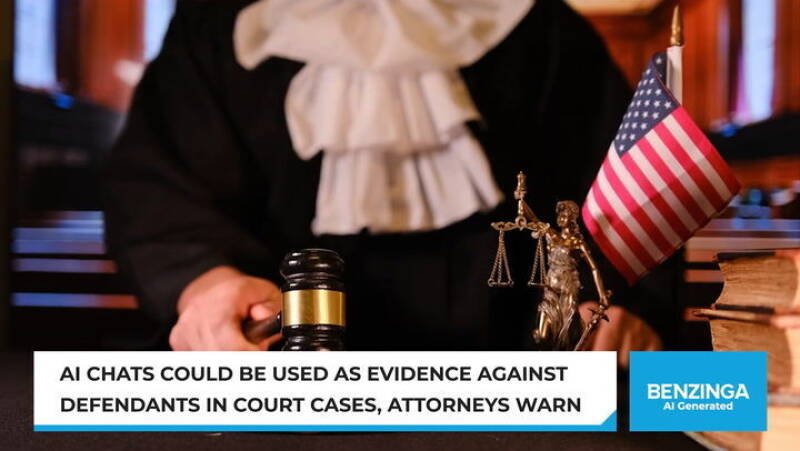
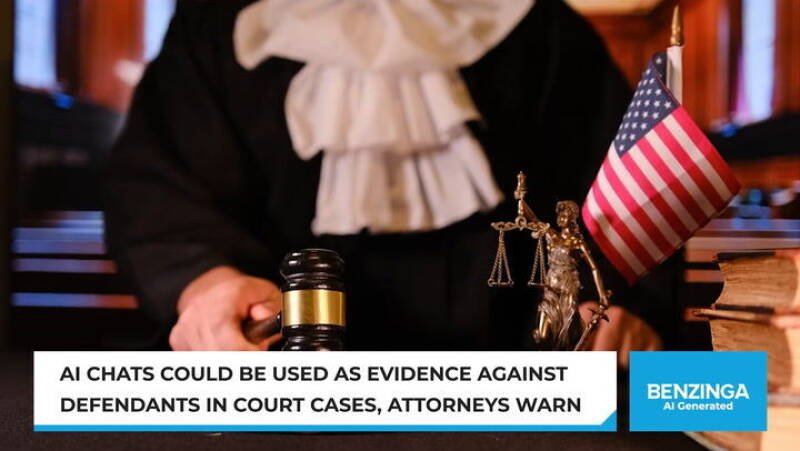
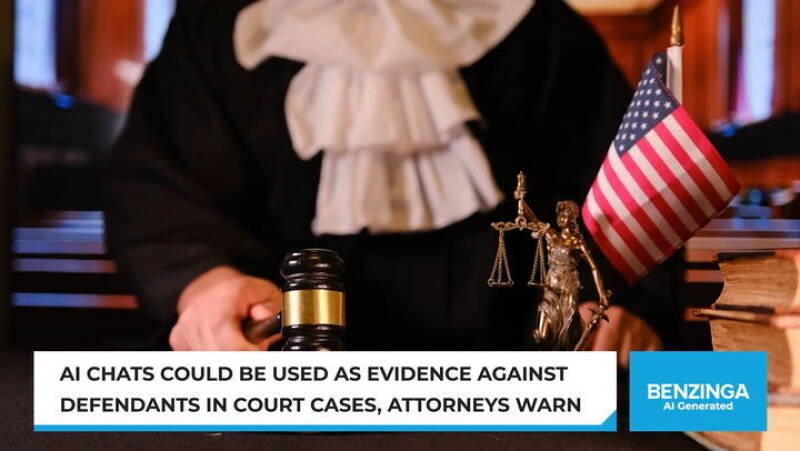
The rise of artificial intelligence (AI) has brought many conveniences, but also new concerns. As more people rely on AI chatbots for advice and information, legal professionals in the United States are issuing warnings: be cautious about what you share with these AI systems. Your conversations could potentially be used against you in legal proceedings.
Why the Concern?
The primary concern revolves around the accessibility of your data. Unlike a conversation with a lawyer, which is protected by attorney-client privilege, interactions with AI chatbots are generally not confidential. This means that the AI provider, and potentially other parties, might have access to the information you share.
Consider this: if you discuss a sensitive business matter, a potential legal dispute, or even personal details with an AI chatbot, that information could be subpoenaed and used as evidence in a lawsuit. This poses a significant risk, especially in a litigious society like the United States.
Why This News Matters
This news highlights a critical intersection between technology and the law. It underscores the importance of understanding the privacy implications of using AI tools. The potential for AI chatbot conversations to be used as evidence has significant implications for individuals, businesses, and the legal profession.
- Individual Users: This warning is crucial for anyone using AI chatbots for advice, especially regarding personal or financial matters.
- Businesses: Companies need to educate their employees about the risks of sharing sensitive information with AI tools.
- Legal Professionals: Lawyers must adapt to this new reality and advise their clients accordingly.
Our Analysis
In our opinion, this is a wake-up call. Many people are unaware of the potential privacy risks associated with AI chatbots. The ease and convenience of these tools can lead to a false sense of security. It's easy to forget you are conversing with a machine and not a person bound by ethical or legal confidentiality constraints.
This issue highlights the need for greater transparency from AI providers regarding data collection and usage practices. Users deserve to know how their data is being stored, used, and protected. Clear terms of service and privacy policies are essential, but these are often buried in legalese and ignored. In our opinion, proactive and easily understandable explanations are necessary.
This could impact the development and adoption of AI technologies. If users become overly concerned about privacy risks, they may be less likely to use AI chatbots, potentially hindering innovation and progress in this field.
Future Outlook
The legal landscape surrounding AI is still evolving. We anticipate further legal challenges and regulations to address the privacy concerns raised by AI chatbots and other AI technologies. Here are some potential developments:
- New Laws and Regulations: Governments may enact new laws to regulate the use of AI and protect user privacy. This could include specific regulations regarding the storage and use of data collected by AI chatbots.
- Enhanced Privacy Features: AI providers may develop enhanced privacy features to address user concerns. This could include options for encrypted conversations, data anonymization, and greater control over data retention.
- Evolving Legal Precedents: Court decisions will likely shape the legal landscape surrounding AI. As cases involving AI data emerge, legal precedents will be established, clarifying the legal status of AI-generated information.
- Increased Awareness: We expect to see increased public awareness of the privacy risks associated with AI. This awareness will drive demand for greater transparency and accountability from AI providers.
Ultimately, the future of AI will depend on our ability to balance the benefits of this technology with the need to protect user privacy. Legal professionals, AI providers, and policymakers must work together to develop a framework that promotes innovation while safeguarding fundamental rights.
Moving forward, it's crucial to treat AI chatbots with caution, recognizing that your conversations are not necessarily private and could potentially be used against you. Exercise discretion, avoid sharing sensitive information, and stay informed about the evolving legal landscape surrounding AI.