Abi the Robot: Transforming Aged Care in Australia and Beyond
Meet Abi, the Melbourne-built robot designed to provide companionship and support in aged care facilities. Learn how Abi is reshaping the future of elderly care.



Meet Abi, the Melbourne-built robot designed to provide companionship and support in aged care facilities. Learn how Abi is reshaping the future of elderly care.
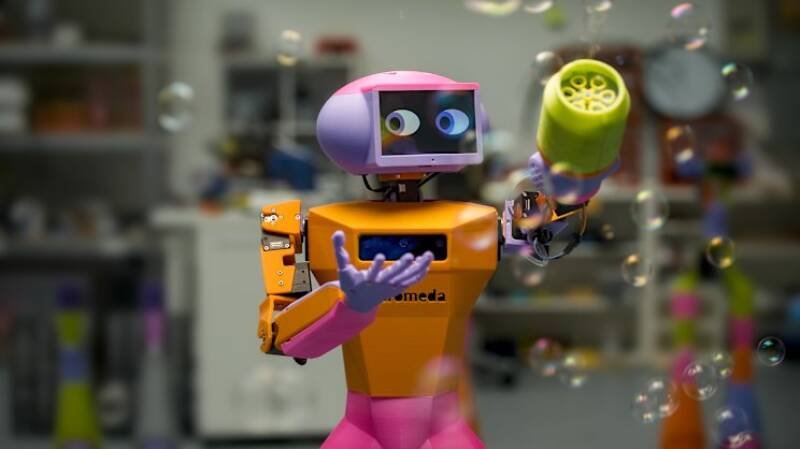
A new face is appearing in aged care homes across Australia, and it's not a nurse or a visiting family member. It's Abi, a humanoid robot designed to provide companionship and support to elderly residents. Built in Melbourne, Abi is the brainchild of a 26-year-old entrepreneur who believes that robots designed for empathy can revolutionize aged care.
Abi is more than just a machine. She's programmed to speak 90 languages, blow bubbles, and even remember personal stories shared by residents. Her creators hope that Abi's ability to interact and engage with elderly individuals will alleviate feelings of loneliness and isolation, a significant problem in aged care facilities.
Unlike purely functional robots that might assist with physical tasks, Abi is focused on emotional support. She's designed to provide a friendly presence, engage in conversation, and offer mental stimulation. Think of her as a digital companion designed to brighten the day of those who may be feeling lonely or forgotten.
The aging population is a global phenomenon, and aged care facilities are facing increasing pressure to provide quality care and support. Loneliness and social isolation among the elderly can lead to serious health problems, including depression, cognitive decline, and increased mortality. Abi represents a potential solution to these challenges, offering a cost-effective and scalable way to improve the well-being of elderly residents.
Beyond just companionship, Abi could free up human caregivers to focus on more complex and demanding tasks. This can allow nurses and other staff to provide more personalized medical care and attention, ultimately leading to better health outcomes for residents.
In our opinion, Abi represents a significant step forward in the application of robotics to address social issues. While robots can never fully replace human interaction, they can play a valuable role in providing companionship and mental stimulation, particularly for those who may have limited access to social interaction.
The success of Abi will likely depend on several factors, including the robot's ability to genuinely connect with residents, the ease of use for caregivers, and the cost-effectiveness of deployment. There will undoubtedly be ethical considerations as well, such as ensuring that robots are used to supplement, not replace, human care and attention.
As with any technology involving AI, there is a chance that this robot may not perform equally across all demographics and could inadvertently discriminate or exclude certain cultural groups from enjoying her company. It is vital that the robot is tested across a wide range of users. In our opinion, a further consideration is consent, and whether Abi is able to obtain it herself.
The future of robotics in aged care is bright. As technology continues to advance, we can expect to see even more sophisticated robots that are capable of providing a wider range of support services. This could include robots that assist with mobility, medication management, and even personal hygiene.
This could impact investment into the development of robots, as they increase in popularity and use. The challenge will be to ensure that these technologies are developed and deployed responsibly, with a focus on enhancing human well-being and promoting ethical considerations.
Ultimately, the goal should be to create a future where technology and human care work together to provide the best possible quality of life for our aging population.