Hangi: Experience New Zealand's Authentic National Dish
Discover the hangi, New Zealand's traditional Maori feast cooked underground. Learn about its history, cultural significance, and why every visitor should experience it.



Discover the hangi, New Zealand's traditional Maori feast cooked underground. Learn about its history, cultural significance, and why every visitor should experience it.
The hangi is more than just a meal; it's a cornerstone of New Zealand's culinary and cultural identity. Often referred to as New Zealand's national dish, the hangi is a traditional Maori cooking method that uses an underground oven to slowly steam food, infusing it with a unique earthy flavor.
A hangi involves digging a pit in the ground, heating stones using a large fire, and then placing baskets of food on top of the hot stones. The food is then covered with wet cloths and earth to trap the steam, allowing it to cook slowly for several hours. The result is tender, flavorful food infused with the smoky aroma of the earth and wood.
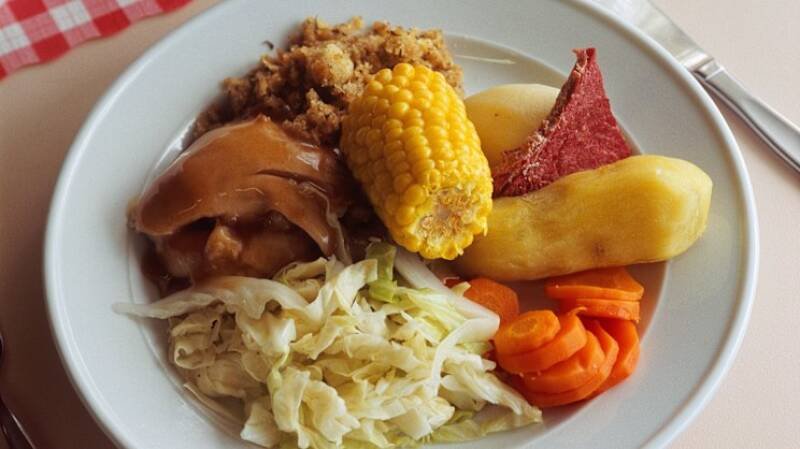
Common ingredients in a hangi include meats like pork, chicken, and lamb, as well as vegetables such as potatoes, kumara (sweet potato), pumpkin, and cabbage. The slow cooking process ensures that the meat is incredibly tender and the vegetables are infused with a smoky sweetness. While some modern adaptations may use metal containers or gas-heated stones, the fundamental principles remain the same.
The hangi has been an integral part of Maori culture for centuries. It's not just a cooking method; it's a communal event that brings people together. Preparing a hangi is a labor of love, often involving the whole community, from gathering firewood and stones to preparing the food and digging the pit. It's a time for sharing stories, strengthening bonds, and celebrating Maori heritage.
Traditionally, hangi were used for large gatherings, feasts, and celebrations. They symbolized hospitality, abundance, and connection to the land. Even today, the hangi remains a powerful symbol of Maori culture and identity. Experiencing a hangi is an opportunity to connect with the traditions and values of the Maori people.
The growing awareness of the hangi's significance within New Zealand tourism is a positive step towards promoting authentic cultural experiences. By encouraging visitors to experience the hangi, we are not only supporting local communities but also fostering a deeper understanding and appreciation of Maori culture. This contributes to responsible tourism that benefits both the visitors and the host communities.
In our opinion, emphasizing the cultural importance of the hangi is crucial for sustainable tourism in New Zealand. Simply offering a "hangi experience" without acknowledging its deeper meaning can be detrimental and lead to cultural appropriation. It's essential that tourism operators work closely with Maori communities to ensure that the hangi is presented respectfully and authentically.
The rise in popularity of food tourism creates an opportunity to showcase the hangi to a global audience. However, it's important to balance commercial interests with the need to protect the cultural integrity of the practice. Strict guidelines and regulations may be necessary to prevent the commodification of the hangi and ensure that it remains a meaningful cultural experience.
We believe the future of the hangi lies in promoting sustainable and culturally sensitive tourism. This involves:
This could impact the tourism industry by driving demand for authentic cultural experiences. Visitors are increasingly seeking experiences that are meaningful and enriching, and the hangi offers a unique opportunity to connect with the culture and heritage of New Zealand. Investing in culturally sensitive tourism will not only benefit the Maori community but also enhance the overall appeal of New Zealand as a tourist destination.
Ultimately, the hangi represents more than just food; it represents a deep connection to the land, the culture, and the community. By promoting responsible tourism and preserving the cultural integrity of the hangi, we can ensure that it continues to be a source of pride and identity for the Maori people for generations to come.