Forest City Wildlife Tracking Tower: A Legacy for Young Birders
A new wildlife tracking tower dedicated to a young birder is helping monitor bird migration patterns. Learn about the importance of this network and its impact on conservation efforts.
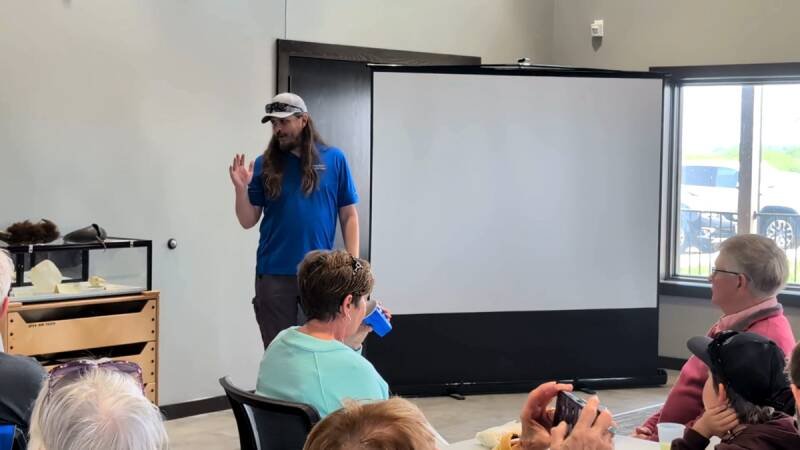



A new wildlife tracking tower dedicated to a young birder is helping monitor bird migration patterns. Learn about the importance of this network and its impact on conservation efforts.
In Forest City, a new wildlife tracking tower has been dedicated to a young birder, marking a significant step forward in ornithological research and conservation efforts. This tower is part of a much larger network that spans across the Western Hemisphere and even beyond, offering invaluable insights into bird migration patterns and behaviors.
A wildlife tracking tower, in this context, refers to a station within the Motus Wildlife Tracking System. Motus is a collaborative research network that uses automated radio telemetry to study the movements of small animals, particularly birds. These towers are equipped with specialized antennas that detect signals from tiny transmitters attached to birds. When a tagged bird flies within range of a tower, its unique ID is recorded, providing valuable data on its location, timing, and route of travel.
The information gathered by these towers is crucial for understanding how birds use different habitats, the challenges they face during migration, and the factors that influence their survival. This data is then used by researchers and conservationists to develop effective strategies for protecting bird populations.
The dedication of this tower in Forest City is significant for several reasons:
In our opinion, this initiative represents a powerful combination of scientific research, education, and community engagement. The Motus Wildlife Tracking System is a remarkable example of how technology can be used to address critical conservation challenges. The fact that this particular tower is dedicated to a young birder underscores the importance of nurturing a love for nature and encouraging young people to pursue careers in science and conservation.
This could impact local ecosystems by providing information that helps to manage and conserve local bird populations. The data from the tower can be used to understand how birds are using the local habitats and what steps can be taken to protect those habitats. For example, if the tower detects that a particular area is heavily used by migrating birds, conservation efforts can be focused on protecting that area from development or other threats.
The Motus network’s collaborative approach, involving researchers, conservation organizations, and citizen scientists, is essential for its success. This collaborative model ensures that the data is widely accessible and that conservation efforts are informed by the best available science.
The future outlook for the Motus Wildlife Tracking System is bright. As the network continues to expand, it will provide even more detailed and comprehensive data on bird movements. This data will be invaluable for understanding the impacts of climate change, habitat loss, and other threats on bird populations.
We anticipate that more communities will adopt similar initiatives, recognizing the importance of wildlife tracking for conservation planning and environmental education. The Forest City tower serves as a model for other communities looking to engage in citizen science and contribute to a global conservation effort.
Furthermore, advancements in transmitter technology will likely lead to smaller, more efficient tags that can be attached to a wider range of species. This will further expand the scope of the Motus network and enhance its ability to track the movements of animals of all sizes. In our opinion, the continued growth and development of the Motus Wildlife Tracking System will play a critical role in ensuring the long-term survival of bird populations and other wildlife.
























