Quadra Island Recreation Service Protest: What's Happening and Why It Matters
Quadra Island residents protested their inclusion in a Campbell River-based recreation service at a Strathcona Regional District meeting. Learn why this matters and what the future holds.
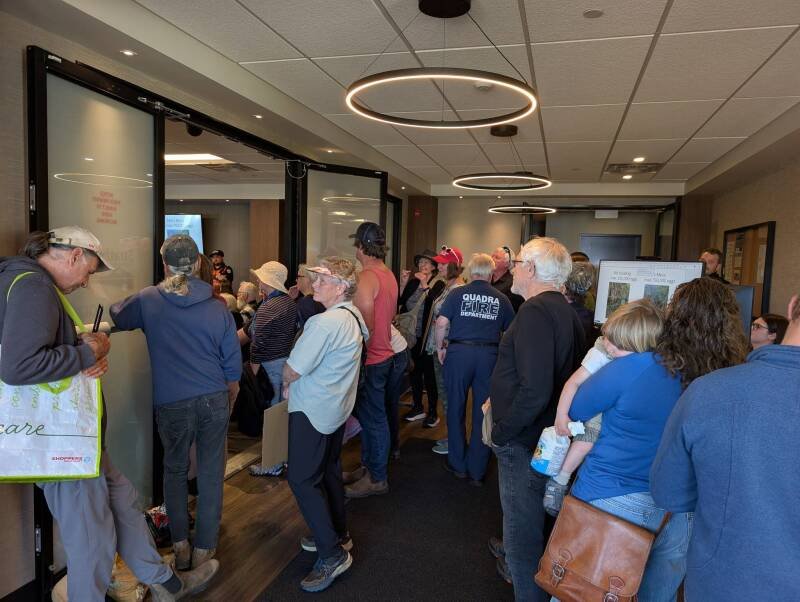
Strathcona Regional District Meeting Disrupted by Quadra Island Residents
A recent Strathcona Regional District (SRD) meeting was unexpectedly interrupted by a group of Quadra Island residents. These residents are voicing their strong opposition to being included in a recreation service primarily based in Campbell River.
The Heart of the Issue: Recreation Services and Representation
The core of the disagreement revolves around the SRD's decision to include Quadra Island in a regional recreation service. This service, as it currently stands, is heavily focused on providing recreational facilities and programs within Campbell River. Quadra Island residents fear that their specific needs and priorities will be overlooked, and that they'll be paying taxes for services they don't adequately benefit from.
The protestors expressed concerns that their community's unique recreational requirements, which often lean towards outdoor activities and nature-based programs due to Quadra Island's geographical characteristics, will not be adequately addressed by a service designed primarily for an urban center like Campbell River.
Why This News Matters
This protest highlights a crucial tension within regional governance: balancing the needs of diverse communities within a larger administrative structure. It raises important questions about representation, resource allocation, and the perceived fairness of taxation. Understanding this situation is vital for anyone interested in:
- Local Politics: Gaining insight into the challenges of regional governance and the dynamics between different communities.
- Community Development: Understanding how decisions made at the regional level can impact local communities and their access to essential services.
- Taxation and Public Services: Examining the relationship between taxation, service delivery, and the perceived value received by taxpayers.
Our Analysis
In our opinion, this situation underscores the importance of meaningful consultation and transparent decision-making processes within regional districts. While regionalization can offer economies of scale and streamlined administration, it's crucial to ensure that the unique needs of each community are genuinely considered and addressed.
The concerns expressed by Quadra Island residents suggest a perceived lack of adequate representation in the decision-making process. It’s possible that communication between the SRD and the Quadra Island community regarding the benefits of the recreation service has been insufficient. This has fueled resentment and a feeling of being overlooked.
This could impact future regional planning decisions. Other communities within the SRD might now scrutinize planned integrations more closely, demanding greater assurances of equitable service delivery and fair representation.
Future Outlook
The SRD now faces the challenge of addressing the concerns of Quadra Island residents. Several potential paths forward exist:
- Increased Consultation: Holding further consultations with Quadra Island residents to understand their specific recreational needs and priorities.
- Service Customization: Exploring options for tailoring the recreation service to better meet the unique requirements of Quadra Island. This could involve allocating funds specifically for programs and facilities on the island.
- Enhanced Representation: Examining the SRD's governance structure to ensure that Quadra Island has adequate representation in decisions regarding recreational services.
- Open Communication: Establishing a clear and ongoing dialogue between the SRD and the Quadra Island community to address concerns and build trust.
Failure to adequately address these concerns could lead to further protests, legal challenges, and a breakdown in trust between the SRD and the Quadra Island community. A successful resolution will require a willingness from all parties to listen, compromise, and work collaboratively towards a solution that benefits everyone.
Ultimately, the outcome of this situation will have significant implications for the future of regional governance in the Strathcona Regional District and could serve as a case study for other regional districts facing similar challenges.