Sam Higginbottom University Employees Protest Unpaid Dues: What It Means
Sam Higginbottom University employees in Prayagraj are protesting over unpaid salary arrears. Learn why this matters, our analysis, and what the future might hold for the university.
Sam Higginbottom University Faces Employee Protests Over Unpaid Dues
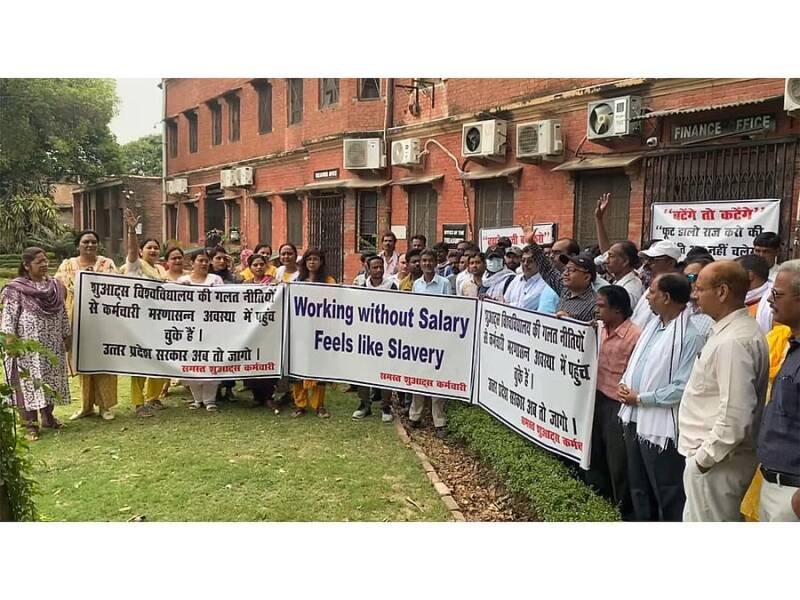
Employees at Sam Higginbottom University of Agriculture, Technology and Sciences (SHUATS) in Prayagraj, India, are currently engaged in protests, highlighting significant concerns over pending salary arrears. Teachers and staff are claiming they haven't received payments they are owed, leading to unrest within the university community. This situation raises questions about the financial stability of the institution and its impact on the quality of education provided.
What's Happening?
The protests are a direct result of what employees describe as a failure by the university administration to address outstanding salary obligations. While specific details about the amount owed to each employee haven't been widely publicized, the fact that faculty and staff are resorting to public demonstrations speaks volumes about the severity of the issue.
Universities rely heavily on timely payments to their employees to ensure smooth operations and maintain morale. When salaries are delayed or unpaid, it can lead to significant disruptions, impacting teaching quality, research output, and overall university function.
Why This News Matters
This news matters for several reasons. Firstly, it directly affects the livelihoods of the university's employees and their families. Secondly, it raises serious questions about the financial management of SHUATS. A university struggling to pay its staff may face difficulties in attracting and retaining talented faculty, ultimately impacting the quality of education it offers to students.
Furthermore, the situation could damage the university's reputation, making it less attractive to prospective students and researchers. The long-term consequences of such a situation could be detrimental to the university's growth and stability. News like this can signal deeper problems within the institution.
Our Analysis
In our opinion, the employee protests at SHUATS are a symptom of potentially deeper financial issues within the university. Universities, especially private ones, depend on a mix of tuition fees, government grants, and private donations. A shortfall in any of these areas could create significant financial strain. Without transparent financial reporting from SHUATS, it's difficult to pinpoint the exact cause of the problem.
This could also be due to mismanagement of funds or overspending in certain areas. A thorough audit of the university's finances is crucial to understand the root cause of the problem and implement corrective measures. It's also important to note that such situations can erode trust between employees and the administration, making it harder to resolve disputes amicably in the future.
Future Outlook
The future outlook for SHUATS depends on several factors, including:
- The university's ability to resolve the salary arrears issue promptly.
- Whether the university can secure additional funding or restructure its finances.
- The willingness of both the administration and the employees to engage in constructive dialogue.
- The intervention of regulatory bodies or government agencies, if necessary.
If the university fails to address these issues effectively, it could face further disruptions, including strikes or legal action from employees. This could also impact accreditation and recognition of the university. A long-term solution requires a commitment to financial transparency, responsible management, and open communication with all stakeholders.
This could impact students who might seek admissions in the University in the future, as this news will definitely raise a red flag to many students, impacting reputation of the University and leading to lower enrollment rates. In our opinion, the university needs to work quickly to restore confidence.