Quadra Island Recreation Dispute: Strathcona Meeting Disrupted by Protest
Quadra Island residents protest being included in Campbell River's recreation services, disrupting a Strathcona Regional District meeting. Learn why and what it means.
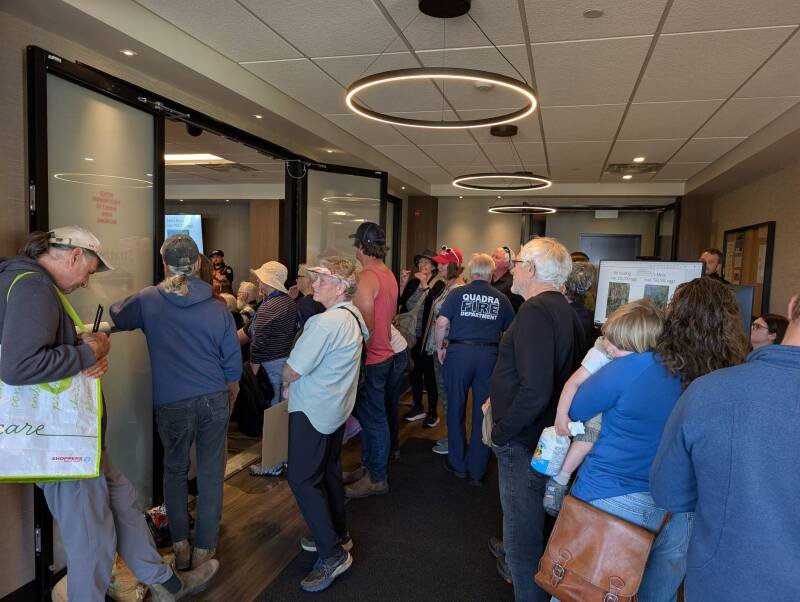



Quadra Island residents protest being included in Campbell River's recreation services, disrupting a Strathcona Regional District meeting. Learn why and what it means.
A recent meeting of the Strathcona Regional District (SRD) was unexpectedly disrupted by a protest led by residents of Quadra Island. Their grievance? The inclusion of Quadra Island within a recreation service area primarily serving the city of Campbell River.
The heart of the matter lies in how recreation services are funded and delivered in the region. Quadra Island residents are concerned about contributing financially to recreation facilities and programs primarily used by Campbell River residents. They feel they lack adequate representation in the decision-making process regarding these services and question whether their tax dollars are being used effectively to benefit their own community.
The protesters argue that Quadra Island should have more autonomy in deciding how recreation services are managed and funded within their own community. They are advocating for a system that better reflects their unique needs and priorities.
This protest highlights a critical issue in regional governance: balancing the needs and interests of diverse communities within a larger administrative structure. It underscores the importance of fair representation, transparent decision-making, and equitable distribution of resources.
This isn't just a local squabble. Similar tensions can arise in any regional district or shared services agreement where smaller communities feel overshadowed by larger urban centers. This event serves as a reminder that regional collaboration requires ongoing dialogue and a commitment to addressing the concerns of all stakeholders.
In our opinion, the Quadra Island residents have legitimate concerns. Being forced to contribute to services predominantly used by another community without sufficient say in how those services are managed is inherently unfair. The SRD needs to seriously consider their arguments and explore alternative governance models that better represent the island's interests.
This situation highlights a potential flaw in the current regional governance structure. The SRD, while intended to provide efficient regional services, may inadvertently be creating a system where smaller communities' voices are drowned out. The key to resolving this lies in finding a balance between regional efficiency and local autonomy.
The future of this dispute hinges on the Strathcona Regional District's response. Will they be receptive to the concerns of Quadra Island residents and willing to explore alternative solutions? Or will they maintain the status quo, potentially leading to further protests and increased tensions?
Several possible outcomes could emerge:
Ultimately, the success of regional governance depends on the willingness of all parties to engage in constructive dialogue and find solutions that are fair, equitable, and responsive to the needs of all communities involved. This situation on Quadra Island serves as a valuable lesson for regional districts across the country.
























