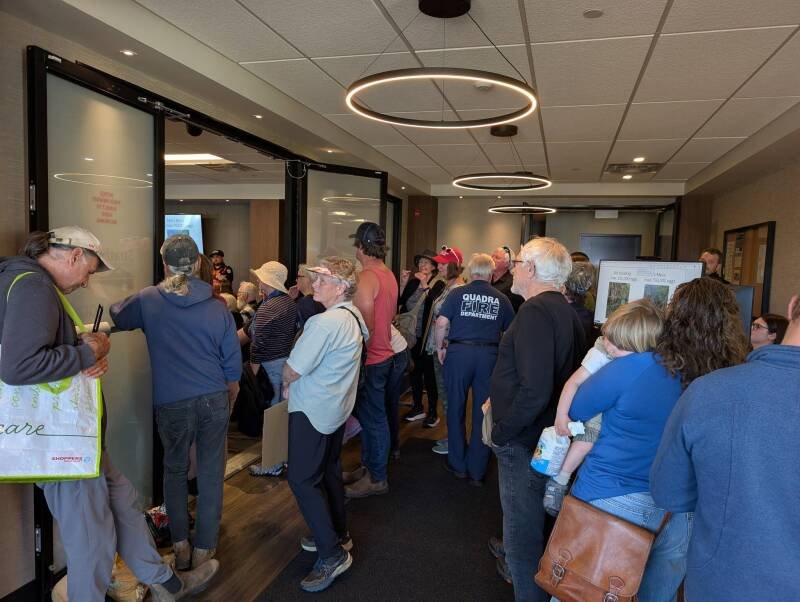
Campbell River Meeting Erupts: Recreation Service Sparks Controversy
A heated regional district meeting in Campbell River saw a gallery clearing after protests. Learn why Quadra Island residents are upset about a proposed recreation service and what it means for the future.
Gallery Cleared After Heated Meeting in Campbell River: Recreation Service Sparks Outrage
A recent regional district meeting in Campbell River, British Columbia, descended into chaos, resulting in the gallery being cleared. The source of the uproar? A contentious proposal to include Quadra Island within a Campbell River-based recreation service.
What Happened?
The meeting, intended to discuss various regional matters, was dominated by passionate objections from Quadra Island residents. They vocally protested the proposed recreation service, arguing that it doesn't adequately address their community's specific needs and concerns. The intensity of the protest led to disruptions, ultimately prompting officials to clear the gallery.
Why This News Matters
This event highlights a growing tension between smaller communities and larger regional districts. It underscores the importance of local autonomy and the need for inclusive decision-making processes. When communities feel unheard or misrepresented, it can lead to significant unrest and distrust in local government. This situation in Campbell River and Quadra Island is a microcosm of similar struggles happening across British Columbia and Canada, where rural and island communities grapple with maintaining their identity and control in the face of regional integration.
Furthermore, the proposed recreation service raises questions about resource allocation and equitable distribution of benefits. Quadra Island residents are essentially asking: "Are we going to get our fair share?" This is a critical question for any community considering joining or being included in a regional service agreement.
Our Analysis
In our opinion, the regional district may have underestimated the strength of feeling on Quadra Island. The lack of adequate consultation or a clear demonstration of the benefits to Quadra Island residents likely fueled the opposition. This situation also underscores the communication challenges inherent in regional governance. Bridging the gap between different communities with varying priorities requires proactive engagement and a genuine willingness to listen to diverse perspectives.
The fact that the meeting escalated to the point of a gallery clearing suggests a breakdown in communication and trust. It's a strong indicator that the regional district needs to reassess its approach to community engagement and address the underlying concerns of Quadra Island residents. Ignoring these concerns could lead to further division and resentment, hindering future cooperation and regional development.
The Key Concerns of Quadra Island Residents
- Lack of Representation: Concerns that Quadra Island's voice will be diluted within a larger Campbell River-centric service.
- Unsuitable Services: Doubts that the proposed recreation services will meet the specific needs of the island community.
- Financial Burden: Fears that Quadra Island residents will be unfairly burdened with increased taxes without receiving proportional benefits.
- Loss of Autonomy: Apprehension that the inclusion in the regional service will erode the island's self-governance and community identity.
Future Outlook
The future of this situation depends on how the regional district responds to the concerns raised by Quadra Island residents. Meaningful dialogue, genuine compromise, and a willingness to tailor the recreation service to meet the island's specific needs are essential. A failure to address these concerns could lead to further protests, legal challenges, and a lasting rift between Quadra Island and the regional district.
This could impact other regional districts contemplating similar service integrations. Seeing the outcome in Campbell River and Quadra Island will inform their strategies and highlight the importance of inclusive and transparent decision-making. It serves as a cautionary tale about the potential pitfalls of top-down approaches to regional governance.
Looking ahead, potential solutions could include: a revised recreation service agreement that better addresses Quadra Island's needs, increased representation for Quadra Island within the regional district, or even the exploration of alternative service delivery models that allow Quadra Island to maintain greater autonomy. Ultimately, the goal should be to foster a sense of partnership and mutual benefit between all communities within the region.
It's important to monitor future regional district meetings and public statements from both officials and community leaders to understand how this situation evolves. The residents of Quadra Island have made their voices heard, and the next steps taken by the regional district will be crucial in determining the future of this contentious issue.