Detector Dog Finds Undeclared Cash at Toronto Airport: What You Need to Know
A detector dog sniffed out $18,000 in undeclared cash at Toronto Pearson Airport. Learn about Canada's cash declaration rules and avoid potential penalties.
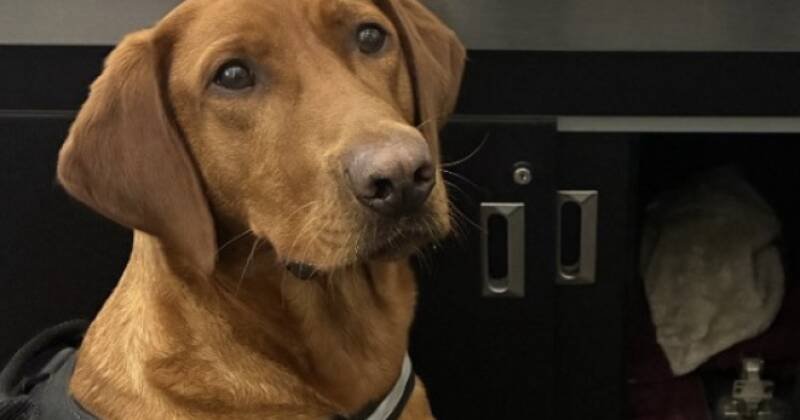



A detector dog sniffed out $18,000 in undeclared cash at Toronto Pearson Airport. Learn about Canada's cash declaration rules and avoid potential penalties.
A highly trained detector dog recently made an impressive discovery at Toronto Pearson International Airport, sniffing out a traveler carrying $18,000 in undeclared cash. This incident highlights the importance of understanding and complying with Canada's cash declaration laws when crossing the border.
Details about the specific incident are limited, but the core fact remains: a traveler attempted to enter or leave Canada with a significant sum of money ($18,000) without declaring it to the Canada Border Services Agency (CBSA). Thanks to the keen senses of a detector dog, the cash was discovered, and the traveler now faces potential consequences.
Whether you're entering or leaving Canada, you must declare any cash or monetary instruments valued at $10,000 or more. This isn't just about physical cash; it includes things like:
The $10,000 limit is per person. If a family is traveling together, each individual must declare if they are carrying $10,000 or more. Failure to declare can lead to serious penalties, including seizure of the undeclared funds.
This incident serves as a crucial reminder for all travelers. Many people are unaware of Canada's cash declaration rules, leading to unintentional violations. Even if you're not trying to hide anything, failing to declare cash can result in significant delays, fines, and even the loss of your money. Staying informed is paramount.
The use of detector dogs is a highly effective method for the CBSA to enforce cash declaration laws. In our opinion, this instance demonstrates the CBSA's commitment to preventing money laundering and other illicit activities. The fact that the cash was discovered underscores the importance of these enforcement measures. It suggests that travelers need to be more aware of the rules and prepared to comply with them.
It's important to note that declaring cash isn't about paying taxes on it. It's about transparency and ensuring that large sums of money are not being used for illegal purposes. The CBSA wants to know where the money is coming from and where it's going.
The penalties for failing to declare cash can be severe. The CBSA has the authority to seize the undeclared funds. You might also face fines or even criminal charges. Recovering seized funds can be a lengthy and complicated process.
We anticipate that the CBSA will continue to use detector dogs and other advanced technologies to enforce cash declaration laws at airports and border crossings. This could impact travelers by increasing the likelihood of detection if they fail to comply with the rules. It's likely that public awareness campaigns will also be ramped up to educate travelers about their obligations.
In our opinion, stricter enforcement and increased awareness are essential to combating financial crime and ensuring the integrity of Canada's borders. Travelers should always err on the side of caution and declare any amount of cash or monetary instruments that they are unsure about. This simple act can save them a lot of trouble in the long run.
Here are some tips to help you comply with Canada's cash declaration laws: