Great White Shark Spotted Near Vancouver Island: What it Means
A massive great white shark, potentially pregnant, has been tracked near Vancouver Island. Learn why this sighting is significant, what it means for the local ecosystem, and what the future might hold.
Massive Great White Shark Spotted Near Vancouver Island: Is She Pregnant?
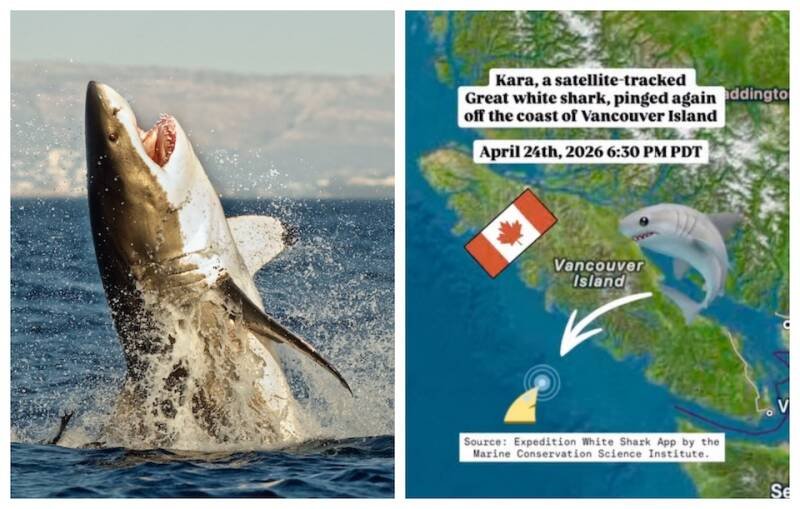
A colossal great white shark, measuring a staggering 16.5 feet in length, has been tracked near Vancouver Island, sparking excitement and curiosity among marine biologists and coastal communities. This particular shark, often nicknamed a “deep blue” in terms of relative size, has been identified and is being closely monitored. What makes this sighting even more interesting is the possibility that she might be pregnant, raising important questions about great white shark populations in the Pacific Northwest.
Details of the Sighting
The shark was tracked using advanced tagging technology, allowing researchers to follow her movements and gather valuable data. This technology provides real-time insights into the shark's behavior, feeding patterns, and migratory routes. The proximity of such a large great white to Vancouver Island is relatively unusual and warrants further investigation.
The size of the shark is particularly noteworthy. Great white sharks are apex predators, and their presence indicates a healthy marine ecosystem. A mature female of this size could certainly be pregnant, a factor that would significantly impact her behavior and resource needs.
Why This News Matters
This sighting is significant for several reasons:
- Ecosystem Health: The presence of an apex predator like a great white shark suggests a robust and thriving marine ecosystem. Their presence indicates that there is enough prey to sustain them.
- Research Opportunities: Tracking and studying these sharks provides invaluable data on their behavior, migration patterns, and the overall health of the ocean. This information is crucial for conservation efforts.
- Conservation Concerns: Great white sharks are vulnerable species. Understanding their movements and breeding habits is essential for developing effective conservation strategies.
- Public Awareness: These sightings generate public interest in marine life and raise awareness about the importance of ocean conservation.
Our Analysis
In our opinion, the sighting of this great white shark near Vancouver Island is a positive sign, albeit one that requires careful monitoring. The fact that she might be pregnant is particularly exciting, as it could indicate that the area is becoming a more important breeding ground for these magnificent creatures.
However, we must also acknowledge the potential risks. Increased shark presence could lead to more interactions with humans, although attacks are rare. It's crucial to educate the public about shark behavior and safety precautions to minimize any potential conflicts.
Potential Impacts
This could impact:
- Local Fisheries: Shark presence could influence the distribution and behavior of fish populations, potentially affecting local fisheries.
- Tourism: Shark sightings can attract tourists interested in wildlife viewing, creating economic opportunities.
- Conservation Efforts: The data gathered from tracking this shark can inform conservation strategies and help protect great white shark populations.
Future Outlook
Looking ahead, continued tracking and research are essential. Scientists need to closely monitor the shark's movements, determine if she is indeed pregnant, and identify potential pupping grounds. This information will be vital for developing effective conservation plans and ensuring the long-term survival of great white sharks in the Pacific Northwest.
Technological advancements in tagging and tracking will play a crucial role in future research. More sophisticated sensors can provide even more detailed data on shark behavior, including their diet, social interactions, and physiological condition.
In the future, community engagement will also be vital. Working with local fishermen, coastal communities, and tourism operators will help foster a sense of stewardship and promote responsible behavior around sharks. We hope this sighting generates increased awareness and support for ocean conservation efforts, helping to protect these amazing creatures and the marine ecosystems they inhabit.