Saving Giant Sequoias: Wildfires Threaten Ancient Forests
Wildfires are devastating giant sequoia populations. Learn about the urgent efforts to protect these ancient trees and the future of California's iconic forests.



Wildfires are devastating giant sequoia populations. Learn about the urgent efforts to protect these ancient trees and the future of California's iconic forests.
The world's magnificent giant sequoias are facing an unprecedented threat. Recent wildfires have tragically claimed the lives of nearly 20% of these ancient giants, sparking urgent efforts to protect the remaining trees. These iconic symbols of California, some living for over 3,000 years, are now battling not only the natural elements but also the devastating effects of climate change fueled wildfires.
Five years ago, a significant portion of the giant sequoia population perished during multiple large wildfires. This loss was a wake-up call, highlighting the vulnerability of these seemingly indestructible trees. The intense heat and prolonged droughts are creating conditions that allow wildfires to spread rapidly and burn hotter than ever before, overwhelming the sequoias' natural defenses.
Giant sequoias have evolved to withstand fire. Their thick bark and high canopies usually protect them. However, the increased intensity and scale of recent wildfires are exceeding the trees' capacity to survive. The fires are reaching higher into the canopy and burning for longer durations, causing lethal damage.
The loss of giant sequoias is more than just an environmental tragedy. These trees are vital components of the ecosystem, providing habitat for numerous species and playing a crucial role in carbon sequestration. Their disappearance would have far-reaching consequences, impacting biodiversity, water resources, and the overall health of the forests.
Furthermore, giant sequoias hold immense cultural and historical significance. They are living monuments, connecting us to the past and inspiring awe and wonder. Their preservation is essential for future generations to experience their majesty and learn from their resilience.
In our opinion, the wildfires are a symptom of a larger problem: climate change. The warming climate is creating drier conditions, making forests more susceptible to fire. While natural fires have always been a part of the ecosystem, the current intensity and frequency of wildfires are unprecedented. A more aggressive approach is necessary to address this issue.
The strategies employed to protect sequoias, such as wrapping the base of trees in fire-resistant material, while valuable, are only temporary solutions. The underlying causes of the wildfires must be addressed. This means reducing greenhouse gas emissions, implementing better forest management practices, and investing in community resilience.
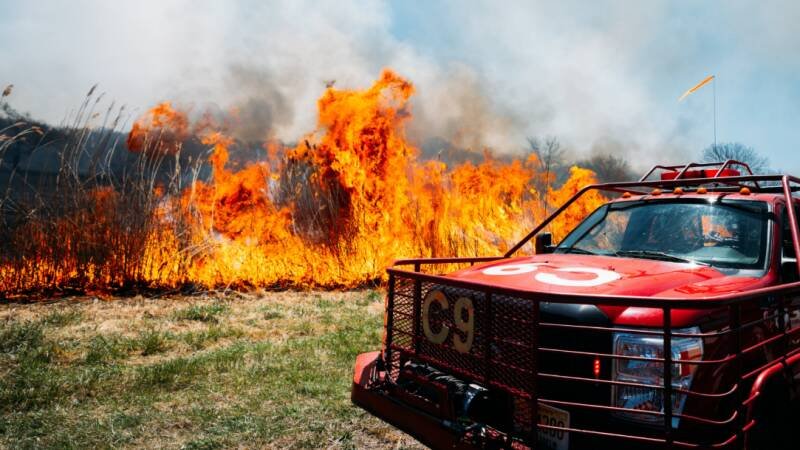
We believe prescribed burns are a critical tool for preventing catastrophic wildfires. These controlled burns help to reduce the buildup of fuel in the forest, lessening the intensity of future fires. However, prescribed burns require careful planning and execution to minimize risks and maximize their effectiveness.
The future of giant sequoias is uncertain, but not hopeless. Conservation efforts are ongoing, and there is a growing awareness of the importance of protecting these ancient trees. Continued research, collaboration, and investment are crucial to ensure their survival.
This could impact the entire ecosystem, if these trees disappear. Without a multi-pronged approach focused on forest management, preventative measures, and climate change mitigation, we risk losing these irreplaceable giants forever. These approaches must be accompanied by community engagement. Community resilience is key in the face of increasing wildfire frequency. Education is paramount in protecting these national treasures.
Here are some critical steps to take:
By acting now, we can still safeguard these majestic trees and ensure that they continue to inspire and endure for generations to come.
























