UPI Transactions Surge 33% to 228.5 Billion in 2025: What It Means for You
UPI transactions skyrocketed to 228.5 billion in 2025, a 33% jump. We break down what this means for the Indian economy, consumers, and the future of digital payments.



UPI transactions skyrocketed to 228.5 billion in 2025, a 33% jump. We break down what this means for the Indian economy, consumers, and the future of digital payments.
Unified Payments Interface (UPI), India's revolutionary real-time payment system, continues its phenomenal growth. A recent report reveals that UPI processed a staggering 228.5 billion transactions in 2025, marking a significant 33% increase compared to the previous year. This cements UPI's position as the dominant force in everyday payments across India.
The total value of these transactions reached an impressive ₹299.74 trillion (approximately $3.6 trillion USD), demonstrating the scale and importance of UPI in the Indian economy. This figure includes all types of UPI transactions, from small payments at local stores to larger transactions between businesses.
For those unfamiliar, UPI is a real-time payment system that allows users to instantly transfer funds between bank accounts using a mobile phone. It eliminates the need to share sensitive bank details like account numbers or IFSC codes. Users can simply link their bank accounts to a UPI ID (a virtual payment address) and make payments through various apps like Google Pay, PhonePe, Paytm, and BHIM.
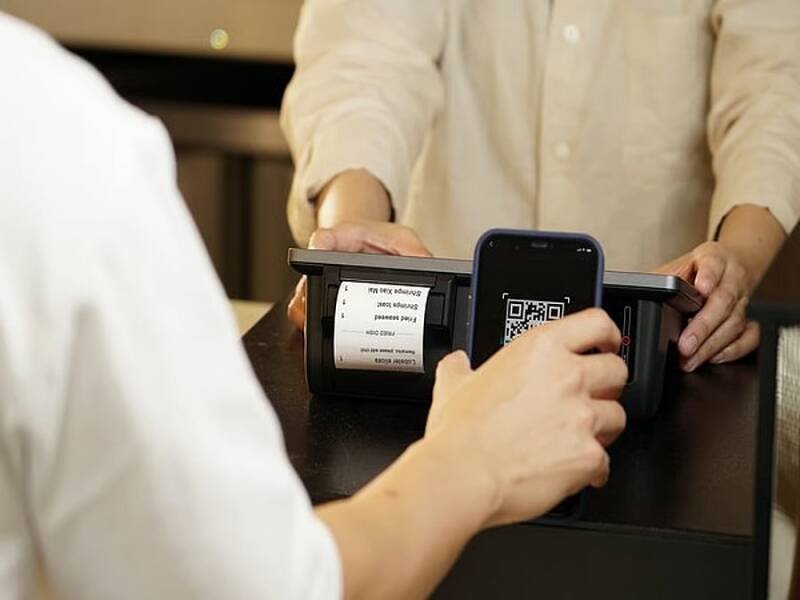
Imagine you want to pay your local grocery store. With UPI, you open your UPI app, scan the store's QR code, enter the amount, and confirm the payment with your UPI PIN. The money is instantly transferred from your bank account to the store's bank account. This is a far cry from carrying cash or using traditional card payments.
The explosive growth of UPI is a game-changer for the Indian economy and its citizens. Here's why this news is significant:
In our opinion, the surge in UPI transactions is a testament to the success of India's digital payments revolution. The user-friendly interface, secure platform, and widespread availability have made UPI the preferred payment method for millions of Indians. The government's push for a cashless economy, coupled with the increasing penetration of smartphones and internet access, has further fueled UPI's growth.
The sheer volume and value of transactions also highlight the increasing trust and confidence that consumers have in digital payment systems. This growth has been facilitated by the NPCI (National Payments Corporation of India) who oversees the system and ensures smooth operation and security. Without their continuous improvement and innovation, this rapid adoption would not have been possible. This could impact other countries looking to implement similar systems as they provide a proven model for digital payment success.
The future of UPI looks incredibly promising. Experts predict continued growth in the coming years, driven by factors such as:
However, challenges remain. Ensuring cybersecurity and data privacy, managing system scalability, and addressing potential fraud are crucial for sustaining UPI's growth. Furthermore, competition from other payment systems, while beneficial for innovation, needs careful management to ensure fair play and prevent market dominance by any single player.
In conclusion, the continued rise of UPI is a significant indicator of India's progress towards a digitally empowered economy. We believe it will continue to transform the way Indians transact and contribute significantly to the nation's economic growth in the years to come. The success of UPI serves as a model for other nations striving for financial inclusion and a robust digital payment infrastructure.