Major Bank Rule Changes: What Nationwide, Lloyds, and NatWest Customers Need to Know
New regulations impacting Nationwide, Lloyds, and NatWest customers go into effect. Learn what these changes mean for your bank accounts and financial security.
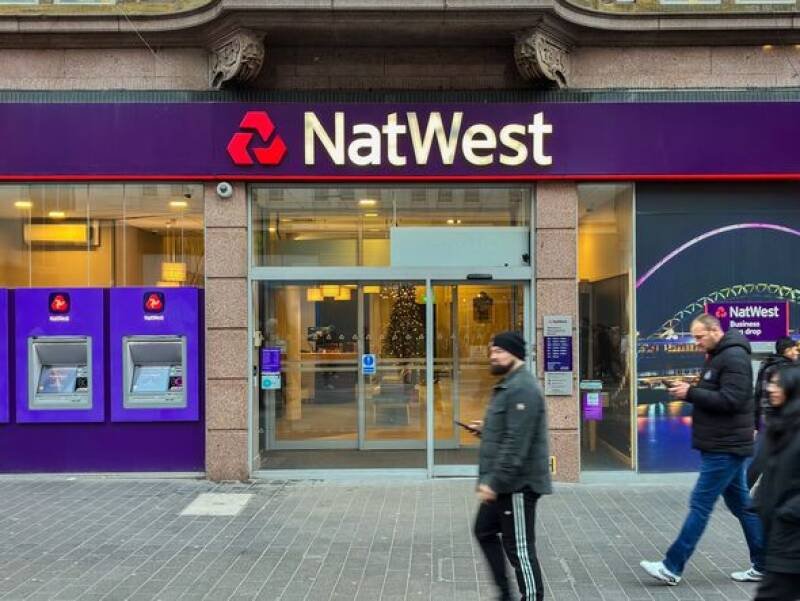



New regulations impacting Nationwide, Lloyds, and NatWest customers go into effect. Learn what these changes mean for your bank accounts and financial security.
Big changes are coming for customers of Nationwide, Lloyds, and NatWest, as major new banking regulations take effect. These changes, mandated by the Payment Systems Regulator (PSR), aim to protect consumers from a growing type of fraud called Authorised Push Payment (APP) fraud. Let's break down what this means for you.
APP fraud happens when you, the customer, are tricked into sending money to a fraudster. This often involves scammers posing as legitimate businesses, friends, or even family members. They might pressure you into making a payment for a fake invoice, investment opportunity, or emergency situation. Because you "authorised" the payment, it can be difficult to get your money back.
The key change is a new rule that requires banks to reimburse victims of APP fraud under certain circumstances. This means that if you're tricked into sending money to a scammer, Nationwide, Lloyds, NatWest, and other participating banks might be required to refund you. The regulations went into effect on April 28, making them mandatory for the banks to comply with.
While the details can be complex, the general principle is that both the sending and receiving banks share the responsibility for preventing APP fraud. If a scammer uses a bank account to receive fraudulent funds, that bank also has a responsibility. If you've been a victim of APP fraud, you should immediately contact your bank and report the incident. They will investigate and determine if you're eligible for reimbursement. There is a maximum claim limit of £415,000.
This news is significant because it offers increased protection for consumers against a particularly insidious type of fraud. APP fraud can be devastating, leaving victims financially and emotionally drained. Previously, recovering these funds was often a long and difficult process, with no guarantee of success. These new rules provide a stronger safety net and incentivize banks to take fraud prevention more seriously. In our opinion, this is a positive step toward a fairer and more secure banking system.
The introduction of mandatory reimbursement for APP fraud victims is a welcome development. However, several factors could impact its effectiveness. The success of the new regulations hinges on several factors:
We believe that this could impact customer confidence in the banking system as a whole. Knowing that there is a safety net in place might encourage people to use digital banking services more readily. However, this also underscores the need for heightened vigilance against fraud.
The landscape of fraud is constantly evolving, and banks will need to adapt to stay ahead of scammers. We anticipate that this new regulatory framework will continue to evolve as regulators and banks learn more about the effectiveness of the reimbursement scheme and the changing tactics of fraudsters. Expect the following:
Ultimately, protecting consumers from APP fraud is a shared responsibility. While these new regulations represent a significant step forward, individual vigilance remains crucial. Always be cautious when sending money online, and never feel pressured into making a payment. If something seems suspicious, trust your instincts and contact your bank immediately.