Singapore Ministerial Salaries: Debate Resurfaces, Are They Justified?
The debate over high ministerial salaries in Singapore is back. Senior Minister Lee Hsien Loong says the government must work harder to keep Singapore exceptional. We analyze the arguments for and against, and discuss the future outlook.
Singapore Ministerial Salaries: Debate Resurfaces, Are They Justified?
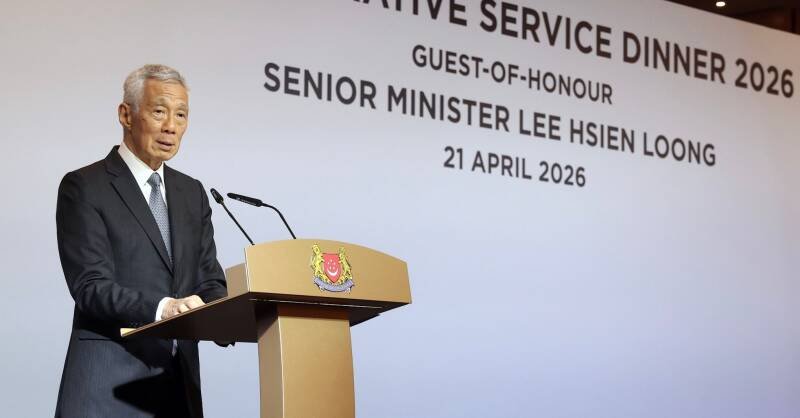
The issue of ministerial salaries in Singapore has once again sparked heated debate. Senior Minister Lee Hsien Loong recently emphasized that the government needs to put in even more effort to maintain Singapore's exceptional status. This statement has reignited discussions about whether the high salaries paid to ministers are justified and necessary.
What Happened?
Speaking at the annual Administrative Service dinner, Senior Minister Lee addressed the importance of attracting and retaining top talent within the government. He argued that competitive salaries are crucial to ensure Singapore continues to thrive and maintain its position as a leading global hub.
Why This News Matters
This debate is important for several reasons. First, it touches upon the fundamental principles of fairness and equity in public service. Second, it reflects public sentiment regarding the government's priorities and resource allocation. Third, it influences the perception of Singapore's political landscape and its ability to attract and retain capable leaders.
Our Analysis
The debate surrounding Singapore's ministerial salaries is complex and multifaceted. There are strong arguments on both sides. The government argues that high salaries are necessary to attract and retain top talent, preventing them from being lured away by the private sector. They also argue that these salaries incentivize ministers to perform at their best, ensuring effective governance and policy-making. Singapore is a global financial hub with a high cost of living. Compensation needs to be comparable.
However, critics argue that these salaries are excessive, especially when compared to the salaries of ordinary citizens and public sector employees in other countries. They also contend that public service should be driven by a sense of duty and commitment, rather than solely by financial incentives. There is also the feeling that as public servants they are beholden to the people.
Arguments For High Salaries:
- Attracting and retaining top talent
- Incentivizing high performance
- Preventing corruption
- Reflecting the complexity and responsibility of the job
Arguments Against High Salaries:
- Perception of unfairness and inequality
- Potential for attracting individuals motivated by personal gain
- Erosion of public trust
- Ethical considerations of public service
In our opinion, the debate highlights a critical tension between the need for competitive compensation and the values of public service. Finding the right balance is crucial for maintaining a fair and effective government.
Future Outlook
The issue of ministerial salaries is likely to remain a topic of public debate in Singapore. As Singapore continues to evolve, discussions about government compensation will need to adapt to changing economic realities and societal values. Transparency and open dialogue are essential for fostering trust and ensuring that the system is perceived as fair and just.
This could impact Singapore's ability to attract and retain talent in the long run. If the public feels that ministerial salaries are excessively high, it could lead to resentment and a decline in public trust. On the other hand, failing to offer competitive compensation could result in a brain drain, with talented individuals opting for more lucrative opportunities in the private sector or abroad.
Future adjustments to the salary structure may involve linking compensation to performance metrics, increasing transparency in the decision-making process, and engaging in more open consultations with the public. The key will be to find a solution that addresses both the need for competitive compensation and the importance of maintaining public trust and confidence.