Chicken Thighs Reign Supreme: Why Your Dinner Choice Matters
Chicken thighs are more popular than ever, but this increased demand is having unexpected consequences. Learn about the environmental and economic impacts of the chicken thigh craze.
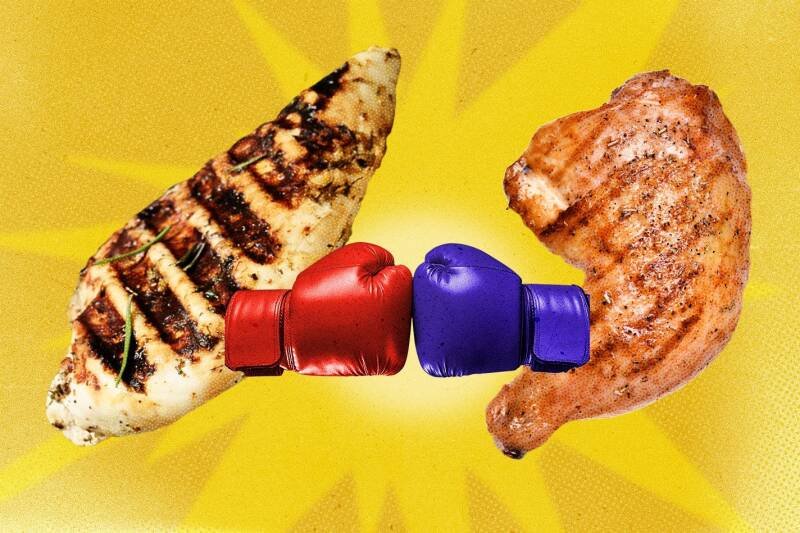



Chicken thighs are more popular than ever, but this increased demand is having unexpected consequences. Learn about the environmental and economic impacts of the chicken thigh craze.
The humble chicken thigh, once relegated to the culinary sidelines, has become the star of the American dinner table. Its rich flavor, affordability, and versatility have catapulted it to unprecedented popularity. But behind the delicious meals and budget-friendly recipes lies a story of shifting market dynamics and potentially concerning consequences.
For years, chicken breasts were the undisputed champions of the poultry world. Lean, protein-packed, and perceived as healthier, they dominated consumer preferences. However, tastes have evolved. People are increasingly drawn to the more succulent and flavorful chicken thigh, often at a lower price point. This shift has dramatically reshaped the poultry industry.
So, what fueled this change? Several factors are at play:
The rise of the chicken thigh isn't just a foodie fad; it has real-world implications. The increased demand strains existing infrastructure and impacts the economics of the entire chicken production process. Understanding these consequences allows consumers to make more informed choices about their food consumption.
Essentially, increased popularity can change the price and availability of all chicken products. It also changes the equation of which chicken parts are most valuable. While it doesn't seem like a big deal, it impacts the industry as a whole.
In our opinion, the chicken thigh boom highlights the power of consumer preferences to reshape entire industries. However, this shift also exposes vulnerabilities in our food system. The pressure to meet the surging demand for chicken thighs could lead to increased reliance on intensive farming practices, potentially compromising animal welfare and environmental sustainability.
One area of concern is the potential for increased food waste. As demand for chicken thighs rises, what happens to the less popular parts of the chicken, like the wings and drumsticks? Finding markets for these cuts becomes crucial to avoid waste and maximize the value of each bird.
The price disparity between chicken thighs and chicken breasts could narrow as demand for thighs continues to grow. In fact, some regions may even see chicken thigh prices surpass those of chicken breasts, as the market adjusts to the new normal. This could impact consumers' wallets and potentially lead to a re-evaluation of purchasing decisions.
Looking ahead, the chicken thigh craze is likely to continue, albeit with some adjustments. The poultry industry will need to adapt to meet the evolving consumer demand while addressing the challenges of sustainability and waste reduction.
This could involve:
The future of the chicken thigh, and the poultry industry as a whole, hinges on our ability to balance consumer demand with responsible and sustainable practices. Only then can we truly enjoy our favorite chicken dishes without compromising the health of our planet and our communities. In our opinion, the responsibility falls on both producers and consumers to create a more sustainable food system.