ExxonMobil Orphan Well Lawsuit: Taxpayer Fraud Allegations Explained
A new lawsuit alleges ExxonMobil and Empire Petroleum defrauded taxpayers through the sale of stripper wells, avoiding cleanup costs. We break down the allegations, analyze the potential impact, and discuss the future implications of this case.
ExxonMobil and Empire Petroleum Face Lawsuit Over Orphan Well Scheme
A new lawsuit has been filed against ExxonMobil and Empire Petroleum, alleging that the companies deliberately defrauded taxpayers by offloading unprofitable oil wells, known as "stripper wells," to avoid the eventual costs of plugging and cleaning them up.
What are Stripper Wells and Orphan Wells?
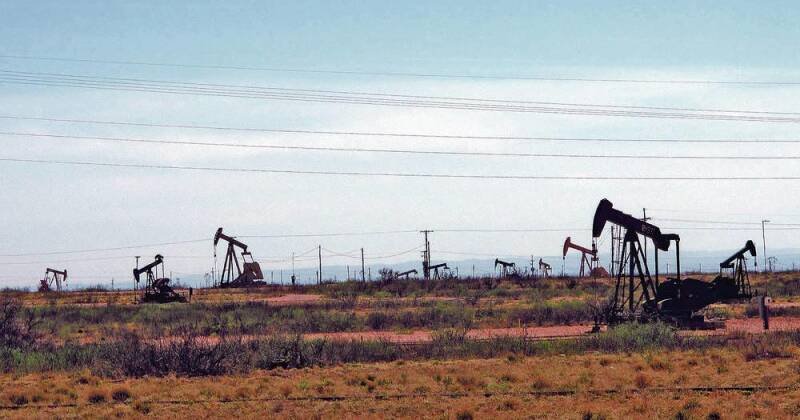
To understand the lawsuit, it's essential to know what stripper wells and orphan wells are. A stripper well is an oil or gas well that produces a very small amount of oil or gas per day – typically less than 15 barrels of oil. They are often nearing the end of their productive life. When these wells are no longer commercially viable and are abandoned without proper plugging and remediation, they become orphan wells.
Orphan wells pose a significant environmental risk. They can leak methane, a potent greenhouse gas, contaminate groundwater, and cause soil pollution. Cleaning up these wells is costly, and the responsibility usually falls on state governments, funded by taxpayers.
The lawsuit alleges that ExxonMobil and Empire Petroleum strategically sold these stripper wells to smaller companies with limited financial resources, knowing they would likely become orphan wells, thereby shifting the financial burden of cleanup to the public.
Why This News Matters
This lawsuit has far-reaching implications beyond just ExxonMobil and Empire Petroleum. It highlights a potentially widespread practice in the oil and gas industry: offloading aging assets to avoid environmental liabilities. If the allegations are proven true, it could trigger a wave of similar lawsuits against other companies involved in similar transactions.
Furthermore, this case brings attention to the urgent need for stronger regulations and oversight of well transfers and decommissioning. Current regulations may not be sufficient to prevent companies from evading their environmental responsibilities, ultimately leaving taxpayers to foot the bill for cleaning up the mess.
Our Analysis
In our opinion, the allegations against ExxonMobil and Empire Petroleum are serious and warrant a thorough investigation. The core of the issue lies in the potential for companies to prioritize short-term profits over long-term environmental and social responsibility.
The sale of stripper wells isn't inherently illegal, but the lawsuit argues that these transactions were specifically designed to evade cleanup costs. The plaintiffs claim that ExxonMobil and Empire Petroleum knew the purchasing companies lacked the resources to properly plug and abandon the wells, making it highly probable they would become orphan wells.
This case also raises questions about the effectiveness of existing environmental regulations. If companies can easily circumvent regulations by transferring assets to financially vulnerable entities, then those regulations are clearly not working as intended. Stricter due diligence requirements for well transfers and increased financial assurance requirements for well plugging could be necessary to prevent similar situations in the future.
Future Outlook
The outcome of this lawsuit could significantly impact the oil and gas industry. If ExxonMobil and Empire Petroleum are found liable, it could set a precedent for future litigation against other companies engaged in similar practices. This could lead to increased scrutiny of well transfers and a greater emphasis on environmental responsibility within the industry.
This could impact the value of aging oil and gas assets. Companies may find it more difficult to sell stripper wells if potential buyers are concerned about inheriting environmental liabilities. This, in turn, could encourage companies to properly plug and abandon wells themselves, rather than attempting to offload them.
Ultimately, this case could lead to stronger environmental regulations and a greater emphasis on corporate accountability within the oil and gas industry. It serves as a reminder that companies have a responsibility to manage their environmental liabilities responsibly and that taxpayers should not be forced to bear the burden of cleaning up abandoned wells.
The legal process is likely to be lengthy and complex. It will involve gathering evidence, expert testimony, and legal arguments. The outcome is uncertain, but the lawsuit has already sparked a much-needed conversation about environmental responsibility and the potential for corporate malfeasance in the oil and gas industry.