Bitcoin's Quantum Threat: Is Your BTC Safe?
Bitcoin faces a quantum computing threat. Experts warn that quantum computers could crack Bitcoin's encryption, potentially draining millions of BTC. Learn what's at stake and the proposed solutions.
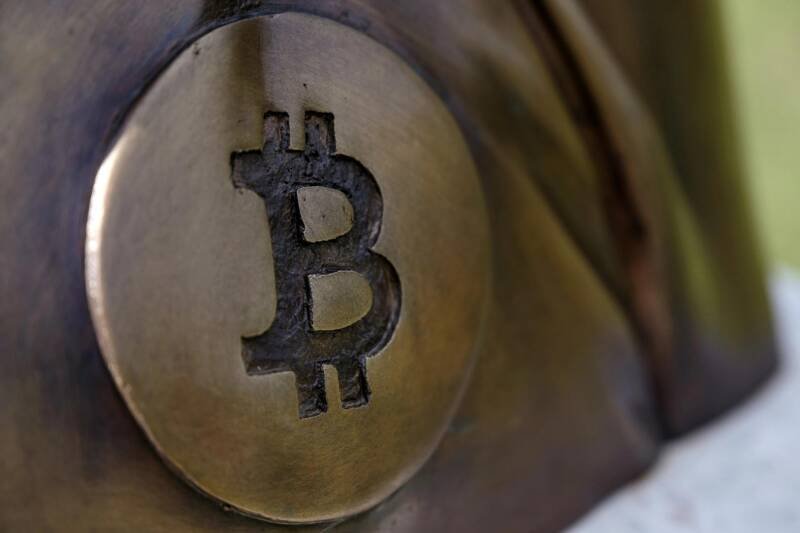



Bitcoin faces a quantum computing threat. Experts warn that quantum computers could crack Bitcoin's encryption, potentially draining millions of BTC. Learn what's at stake and the proposed solutions.
Bitcoin, the king of cryptocurrencies, faces a potential existential threat: quantum computing. While quantum computers are still in their early stages, experts warn they could eventually possess the power to break Bitcoin's encryption, potentially jeopardizing millions of Bitcoin, including those believed to belong to Satoshi Nakamoto.
Bitcoin's security relies on cryptographic algorithms that are currently computationally infeasible for traditional computers to crack. However, quantum computers, with their fundamentally different way of processing information, could render these algorithms obsolete. Specifically, Shor's algorithm, a quantum algorithm, poses a significant risk to Bitcoin's ECDSA (Elliptic Curve Digital Signature Algorithm) encryption.
Imagine a super-powered safe cracker capable of bypassing even the most sophisticated locks. That's essentially what a quantum computer could do to Bitcoin's cryptographic defenses.
The potential for a quantum attack on Bitcoin is not just a theoretical concern; it's a practical risk that could have severe consequences for the entire cryptocurrency ecosystem. If quantum computers become powerful enough to break Bitcoin's encryption, they could:
This isn't just about losing money; it's about losing faith in the underlying technology that underpins the decentralized finance movement.
The good news is that the Bitcoin community is aware of the quantum threat and is exploring potential solutions. The primary approach involves migrating Bitcoin's cryptography to "post-quantum" algorithms - cryptographic methods designed to be resistant to attacks from quantum computers. This is a complex and delicate process, as it requires a coordinated effort from the entire Bitcoin network. A "hard fork" or other protocol upgrade might be needed.
In our opinion, the biggest challenge is not necessarily the technical complexity of implementing post-quantum cryptography, but the coordination required to do so. Bitcoin's decentralized nature, while a strength in many ways, makes it difficult to achieve consensus and implement large-scale changes. The need for a hard fork is considered risky.
The article mentions that a significant portion (6.9 million) of Bitcoins are at risk, including those belonging to Satoshi Nakamoto. This underscores the urgency of addressing the quantum threat. If even a small fraction of these Bitcoins were compromised, it would have a devastating impact on Bitcoin's value and reputation.
The future of Bitcoin in the face of the quantum threat hinges on the community's ability to adapt and innovate. Here are some potential scenarios:
The timeline for the quantum threat is uncertain. Some experts believe that quantum computers capable of breaking Bitcoin's encryption are still years away, while others warn that the threat is more immediate. Regardless of the timeline, it's crucial that the Bitcoin community acts proactively to safeguard the future of the cryptocurrency.
This could impact the public image of cryptocurrencies. A successful transition would solidify Bitcoin's role as a long-term store of value. A failure, however, could lead to a loss of confidence and a shift towards more quantum-resistant cryptocurrencies.
Ultimately, the fate of Bitcoin in the quantum age rests in the hands of its community. Their ability to collaborate, innovate, and adapt will determine whether Bitcoin remains the dominant cryptocurrency or becomes a casualty of technological progress.