Nepal's Petroleum Import Revenue Jumps: What It Means for You
Nepal's government collected Rs 60.38 billion in revenue from petroleum imports in nine months. Find out what this increase means for the economy and consumers.



Nepal's government collected Rs 60.38 billion in revenue from petroleum imports in nine months. Find out what this increase means for the economy and consumers.
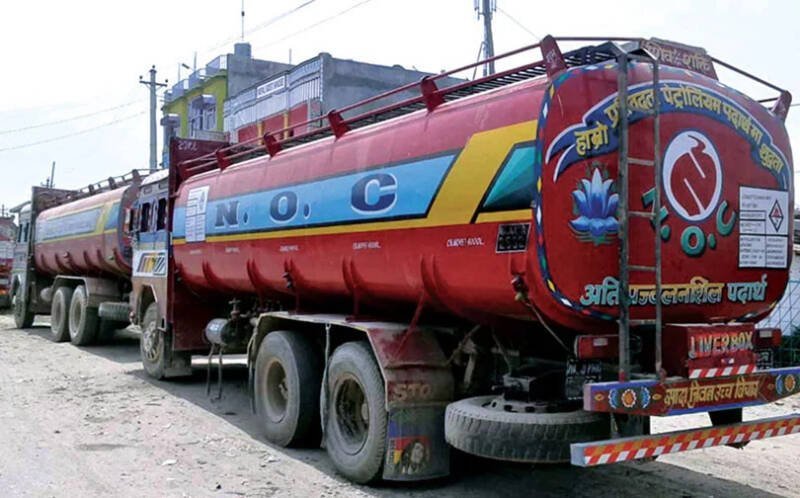
Nepal's government has raked in a significant amount of revenue from petroleum imports in the current fiscal year. According to recent reports, the government collected a substantial Rs 60.38 billion (approximately $455 million USD) in revenue from petroleum imports during the first nine months of the year.
This figure represents an increase compared to the same period last year when the revenue stood at Rs 57.53 billion. The data comes from the Birgunj Customs Office, a key entry point for goods entering Nepal from India. Information Officer Uday Singh Bista confirmed that petroleum products worth a staggering Rs 148.16 billion were imported during this period.
To put this into perspective, Rs 60.38 billion is a considerable sum for a developing economy like Nepal. This revenue primarily comes from taxes and duties levied on imported petroleum products such as petrol, diesel, and kerosene. These fuels are essential for transportation, industry, and household use across the country.
This news has several implications for both the government and the general public:
In our opinion, the increase in petroleum import revenue reflects a growing reliance on imported fuels. While higher revenue might seem positive on the surface, it highlights Nepal's vulnerability to global oil prices and its dependence on foreign energy sources. This dependence poses a long-term risk to economic stability.
The government needs to consider strategies to diversify its energy sources and promote the use of renewable energy. This could involve investing in hydroelectric power, solar energy, and other sustainable alternatives. Reducing reliance on imported fossil fuels would not only stabilize fuel prices but also contribute to a cleaner environment.
Furthermore, a significant portion of the population struggles to afford basic necessities, and increased fuel costs directly exacerbate these difficulties. This could impact public sentiment and create social challenges if not addressed proactively.
The future outlook for petroleum import revenue is uncertain and depends on several factors, including:
Moving forward, Nepal needs a comprehensive energy strategy that addresses its dependence on imported petroleum while promoting sustainable and affordable energy solutions. This requires strategic planning, investment in renewable energy, and policies that prioritize the well-being of its citizens.