TotalEnergies and Masdar Invest $2.2 Billion in Asian Renewable Energy
TotalEnergies and Masdar form a $2.2 billion joint venture to boost renewable energy projects in Asia. Learn about the implications and future outlook.



TotalEnergies and Masdar form a $2.2 billion joint venture to boost renewable energy projects in Asia. Learn about the implications and future outlook.
In a significant move towards sustainable energy, TotalEnergies and Abu Dhabi Future Energy Company PJSC – Masdar (a mouthful, we know, but important!) – are teaming up. They've signed a binding agreement to create a $2.2 billion joint venture. This JV will combine their existing onshore renewable energy efforts across nine Asian countries.
Think of it as two powerhouses pooling their resources to tackle the growing energy needs of Asia with clean, green solutions. This is more than just a business deal; it's a commitment to a cleaner future.
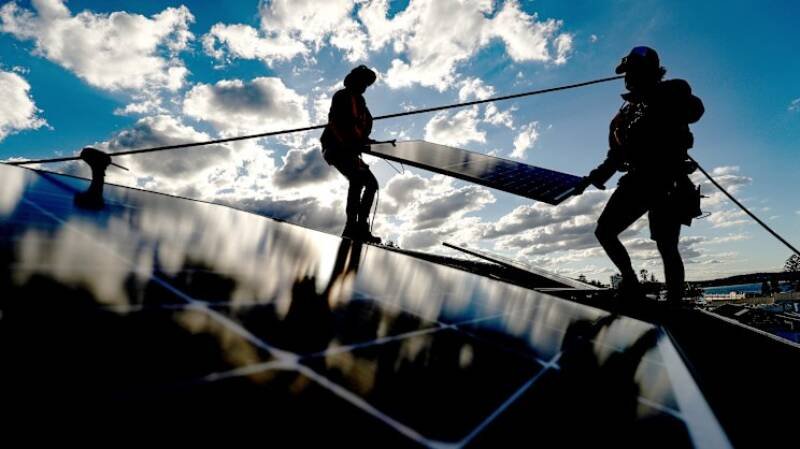
Once the deal is finalized (closing is subject to regulatory approvals, of course), this joint venture will become the primary vehicle for both TotalEnergies and Masdar when it comes to developing, building, owning, and operating onshore renewable energy projects – specifically solar and wind power – in the selected Asian countries. This means more solar panels and wind turbines generating electricity in Asia!
The goal is to scale up renewable energy production rapidly to meet the increasing electricity demands of the region. Asia's energy consumption is soaring, and renewable sources are crucial for meeting this demand sustainably.
This partnership is huge for several reasons:
This is not just about profits; it's about building a more sustainable future for Asia and the world.
In our opinion, this joint venture is a smart move by both TotalEnergies and Masdar. TotalEnergies gains access to Masdar's expertise and established presence in the Asian renewable energy market, while Masdar benefits from TotalEnergies' financial strength and global reach. It’s a win-win situation.
This could impact other energy companies, pushing them to accelerate their own investments in renewable energy. It also puts pressure on governments in Asia to create supportive policies and regulations that encourage the growth of the renewable energy sector. If executed properly, this collaboration has the potential to significantly alter the energy landscape of Asia.
The success of this joint venture will depend on several factors:
Over the next few years, we expect to see a significant increase in renewable energy capacity in the Asian countries covered by this joint venture. This could lead to lower electricity prices, reduced carbon emissions, and a more sustainable energy system. While challenges remain, this partnership represents a major step forward in the global transition to clean energy.
Ultimately, the success of this venture will be measured not just by the megawatts of renewable energy it generates, but by its impact on the environment and the lives of the people in Asia. In our view, the potential is enormous.