Malama Hawaii: How Tourism is Changing in Waikiki
Discover how Waikiki's resorts are embracing "Malama," a Hawaiian concept focused on sustainability and giving back to the land and community. Learn about regenerative tourism and its potential impact.
Malama Hawaii: A New Wave of Tourism in Waikiki
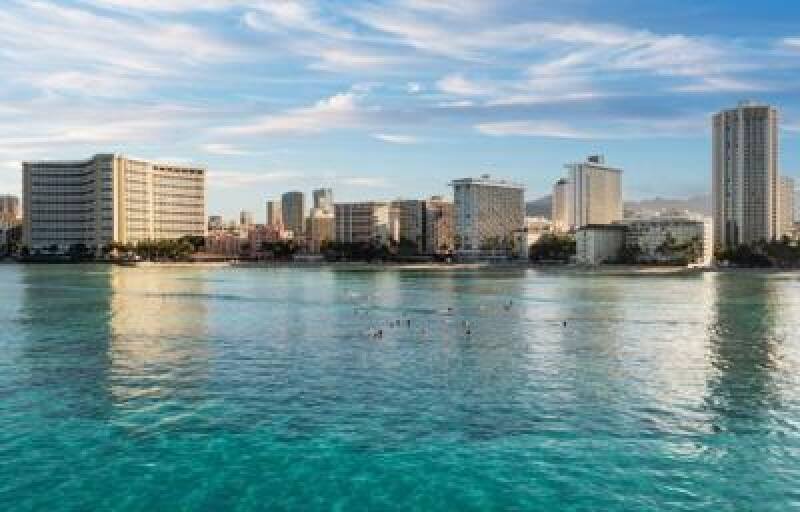
Waikiki, the iconic Hawaiian destination, is seeing a shift in how its resorts operate. Forget simply reusing towels – a deeper commitment to sustainability and giving back to the local community is taking hold. This new approach is being driven by a Hawaiian concept called "Malama," which means to care for and protect.
What is Malama?
Malama is more than just a buzzword; it's a fundamental principle in Hawaiian culture. It encourages responsibility towards the land ('aina), the ocean (kai), and the community. Resorts are now integrating Malama into their operations, moving beyond superficial eco-friendly gestures.
Regenerative Tourism: The Next Step
The hospitality industry is evolving. Regenerative tourism is the next leap forward. This isn't just about minimizing negative impact, but actively restoring and improving the environments where tourists visit. Think of it as leaving a place better than you found it.
Why This News Matters
This shift in Waikiki is important for several reasons:
- Environmental Protection: It directly benefits the fragile ecosystems of Hawaii by promoting responsible practices.
- Community Empowerment: It supports local businesses, cultural preservation, and overall community well-being.
- Enhanced Tourist Experience: Travelers are increasingly seeking meaningful experiences that contribute positively to the destinations they visit.
- Global Impact: It sets an example for other tourist destinations worldwide, demonstrating how tourism can be a force for good.
In our opinion, this is a welcome change. For too long, tourism has often been accused of exploiting resources and negatively impacting local cultures. Malama offers a pathway to a more sustainable and responsible future.
Our Analysis
The adoption of Malama in Waikiki's resorts is a positive sign, but it's crucial to examine the depth of these initiatives. Are resorts truly integrating these principles into their core business models, or are they simply engaging in "greenwashing?" Transparency and accountability are key. We need to see tangible evidence of how these programs are benefiting the environment and the community.
Furthermore, the success of Malama depends on the active participation of tourists. Education and awareness campaigns are vital to encourage visitors to embrace responsible travel habits. This could impact the kinds of experiences that travelers will have, with a heavier focus on immersion in local culture and support of local businesses.
Examples of Malama in Action
We are seeing various examples of this in practice, from hotels partnering with local farms to source ingredients, to offering guests opportunities to participate in beach cleanups or cultural immersion programs. Some resorts are also investing in renewable energy sources and implementing water conservation measures. These initiatives are essential for long-term sustainability.
Future Outlook
The future of tourism in Waikiki, and potentially beyond, depends on the continued embrace of Malama and regenerative tourism principles. This could impact the type of traveler that Waikiki attracts. If the industry continues to focus on sustainability, the region will likely attract travelers that are more conscious of their impact on the planet.
We anticipate seeing:
- Increased collaboration between resorts, local communities, and environmental organizations.
- Greater investment in sustainable infrastructure and technologies.
- More robust certification programs to ensure accountability and transparency.
- A shift in tourist behavior towards more responsible and conscious travel choices.
The move towards Malama is not just a trend; it's a necessary evolution. By prioritizing the well-being of the environment and the community, Waikiki can ensure its long-term sustainability and continue to be a desirable destination for generations to come.