Energy Crisis Risks: What You Need to Know and How It Affects You
An in-depth look at the international energy crisis, its potential impact on your life, and what the government is doing to mitigate the risks.
Editorial: Be Honest About Energy Crisis Risks - A Deep Dive
The global energy crisis is looming large, and governments worldwide are scrambling to find solutions. Recent efforts to reassure social partners (businesses, unions, and other key stakeholders) highlight the growing concern. But is enough being done, and are we getting the full picture? Let's break down the situation, its implications, and what might happen next.
Understanding the Energy Crisis
At its core, the energy crisis is a combination of factors driving up the cost and limiting the availability of energy resources like natural gas, oil, and electricity. These factors include:
- Geopolitical Instability: Conflicts and political tensions can disrupt supply chains and create uncertainty in the market.
- Increased Demand: As economies recover and populations grow, the demand for energy rises, putting pressure on existing resources.
- Transition to Renewable Energy: While essential for long-term sustainability, the transition to renewable energy sources can create temporary supply gaps if not managed carefully.
- Extreme Weather Events: Heatwaves, droughts, and other extreme weather can impact energy production and distribution.
Government Response and Reassurance
Governments are attempting to mitigate the effects of the crisis through various measures, including:
- Reassuring Social Partners: This involves communicating government plans, seeking input from key stakeholders, and attempting to build consensus on policy responses.
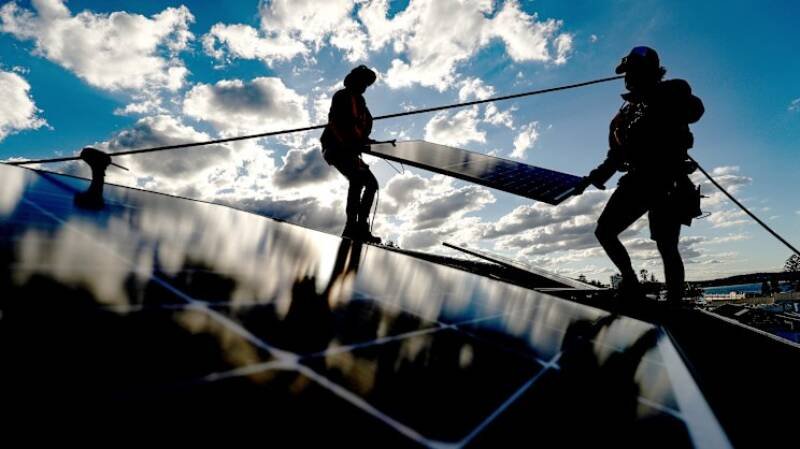
- Exploring Alternative Energy Sources: Investing in and promoting renewable energy sources like solar, wind, and geothermal.
- Energy Efficiency Measures: Encouraging businesses and individuals to reduce energy consumption through incentives and regulations.
- Securing Energy Supplies: Diversifying energy sources and strengthening relationships with reliable energy suppliers.
Why This News Matters
The energy crisis isn't just an abstract economic issue; it directly impacts your daily life. Higher energy prices translate to:
- Increased Utility Bills: Expect to pay more for electricity, heating, and cooling.
- Higher Transportation Costs: Gasoline prices are likely to remain elevated, affecting your commute and travel expenses.
- Inflation: Energy costs are a significant component of the overall economy, contributing to higher prices for goods and services.
- Business Impact: Businesses, particularly those with high energy consumption, may struggle, potentially leading to job losses or reduced investment.
Understanding the risks and potential impacts allows you to make informed decisions about your energy consumption and prepare for potential financial challenges.
Our Analysis
In our opinion, while government efforts to reassure social partners are a positive step, transparency and proactive communication are crucial. Simply reassuring stakeholders isn't enough; a clear and honest assessment of the challenges and potential risks is needed. We believe that a comprehensive strategy that addresses both short-term energy security and long-term sustainability is essential. Relying solely on short-term fixes will only postpone the inevitable and potentially exacerbate the problem in the future.
Furthermore, the transition to renewable energy needs careful management. Over-reliance on intermittent sources without adequate storage solutions or backup systems can lead to instability in the energy grid. A balanced approach that considers all available energy resources and invests in infrastructure is necessary.
Future Outlook
The future of the energy crisis remains uncertain. Several factors could influence the situation in the coming months and years:
- Geopolitical Developments: Any escalation of existing conflicts or emergence of new ones could further disrupt energy markets.
- Weather Patterns: Extreme weather events could continue to impact energy production and distribution.
- Technological Advancements: Breakthroughs in energy storage, renewable energy technologies, or energy efficiency could offer new solutions.
- Policy Decisions: Government policies regarding energy production, consumption, and investment will play a critical role in shaping the future energy landscape.
This could impact consumer behavior and increase the demand for energy-efficient appliances and homes. It will be important to stay informed about the latest developments and adapt accordingly. Monitoring government policies, energy market trends, and technological advancements will be crucial for navigating the challenges and opportunities that lie ahead. Ultimately, a combination of government action, technological innovation, and individual responsibility will be needed to address the energy crisis and ensure a sustainable energy future.