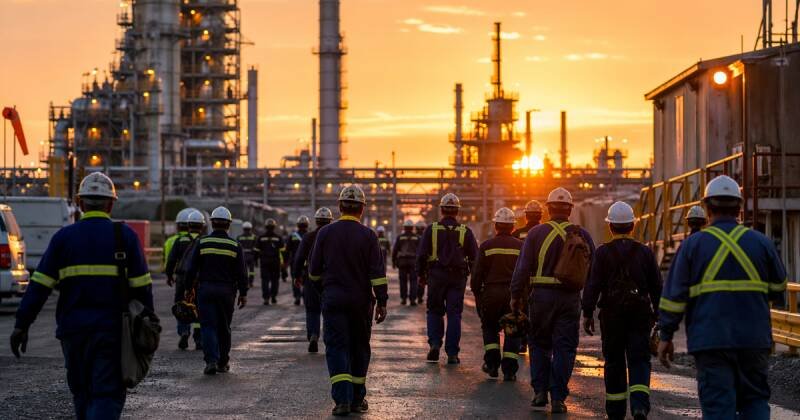
Workforce Fatigue: An Overlooked Safety Risk in Gulf Coast Industries
Explore the rising concern of workforce fatigue in Gulf Coast industrial operations, its connection to housing conditions, and the potential impact on worker safety and project success.
Workforce Fatigue: An Overlooked Safety Risk in Gulf Coast Industries
A growing concern is emerging in the Gulf Coast industrial sector: workforce fatigue. It's not just about long hours; housing conditions and the distance workers travel to their jobs are increasingly recognized as key factors influencing how well they rest, their overall safety, and even the success of industrial projects.
The Connection Between Housing and Worker Safety
Where workers live and the quality of their housing has a direct impact on their ability to get adequate rest. Imagine a scenario where a worker is crammed into a small space with several others, facing noise and uncomfortable conditions. This situation leads to poor sleep, which in turn makes them more prone to accidents on the job. The closer the housing is, the more likely they will get rest.
The Impact on Industrial Projects
When workers are tired, productivity dips. They're also more likely to make mistakes, leading to safety incidents, project delays, and increased costs. Project managers are beginning to recognize that addressing worker fatigue is not just a moral imperative but also a strategic one. A rested workforce is a more efficient and safer workforce, directly impacting the bottom line.
Why This News Matters
The implications of unaddressed workforce fatigue are significant. Beyond the obvious risks to individual workers, this issue can ripple through the entire industrial sector. Increased accidents lead to higher insurance costs, potential legal liabilities, and damage to a company's reputation. Furthermore, project delays can jeopardize contracts and negatively impact the regional economy.
Our Analysis
In our opinion, this issue has been largely overlooked for too long. Companies often focus solely on on-the-job safety measures, neglecting the crucial role of off-duty rest and recovery. The connection between housing conditions and worker fatigue needs to be actively addressed. Companies should take a proactive approach, working with local communities and developers to ensure adequate and safe housing options are available for their workforce. We also think that regulation around mandatory rest periods is something to consider.
Factors Contributing to the Problem
- Inadequate Housing: Overcrowded and substandard living conditions hinder restful sleep.
- Long Commutes: Extended travel times between housing and job sites eat into valuable rest time.
- Demanding Schedules: Long work shifts and lack of adequate breaks contribute to exhaustion.
- Lack of Awareness: Many workers and employers may not fully understand the dangers of fatigue.
Future Outlook
The future will likely see increased scrutiny of workforce fatigue in the Gulf Coast industrial sector. As awareness grows, we anticipate stronger regulatory measures aimed at ensuring worker safety and well-being. We also expect companies to invest more in fatigue management programs, including education, training, and improved housing options. This could impact the way contractors bid on projects and how companies budget for projects.
Potential Solutions
- Improved Housing: Investing in quality, affordable housing options near job sites.
- Fatigue Management Programs: Implementing comprehensive programs that educate workers and supervisors about fatigue risks and prevention strategies.
- Shorter Shifts and Adequate Breaks: Revising work schedules to allow for sufficient rest periods.
- Transportation Solutions: Providing transportation to and from job sites to reduce commute times.
- Technology Implementation: Using wearable technology to track fatigue levels and identify at-risk workers.
Ultimately, addressing workforce fatigue requires a collaborative effort. Companies, workers, regulators, and community leaders must work together to create a safer and more sustainable working environment. Prioritizing worker well-being is not just the right thing to do; it's also the smart thing to do for long-term project success.