Canton Fair Phase 2: New Product Zones Reflecting Lifestyle Changes
The 139th Canton Fair Phase 2 introduces new product zones catering to evolving lifestyle trends. Learn about the changes and what they mean for global trade.
139th Canton Fair Phase 2: Adapting to Changing Consumer Tastes
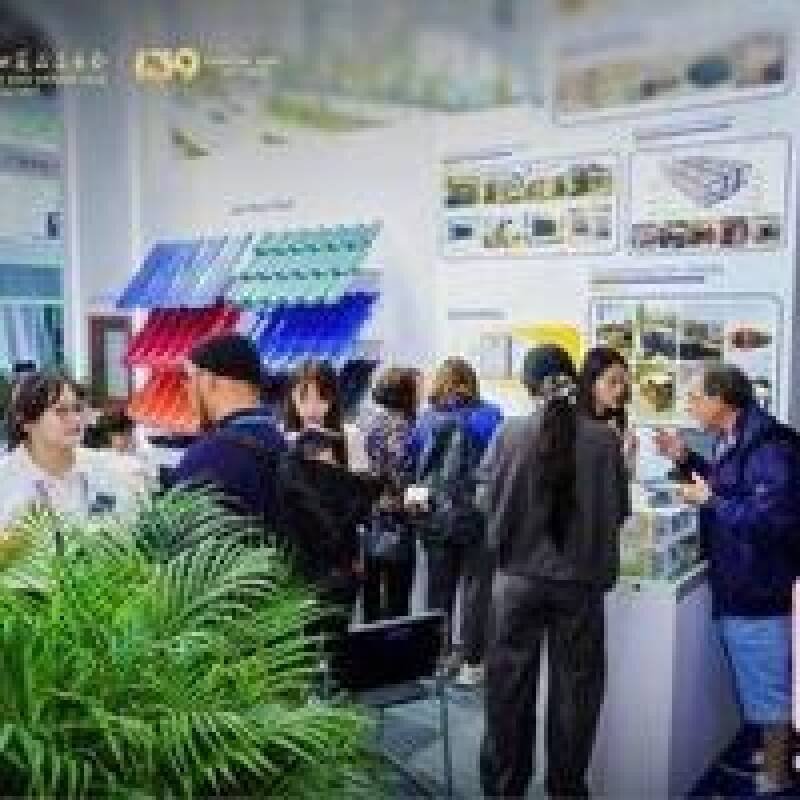
The 139th Canton Fair, a major event in the global trade calendar, has just concluded its Phase 2. This phase, focused on consumer goods, gifts, and home decorations, saw the introduction of new product zones designed to reflect evolving lifestyle trends. This adaptation signals a dynamic shift in how the fair caters to international buyers and the changing demands of global consumers.
What's New in Phase 2?
Phase 2 of the Canton Fair traditionally showcases a wide range of everyday products. This year, the organizers have specifically highlighted areas that reflect emerging trends, such as:
* **Smart Home Products:** Increased focus on technology-integrated home solutions.
* **Eco-Friendly and Sustainable Goods:** Greater emphasis on environmentally conscious manufacturing and materials.
* **Personalized and Customized Products:** A growing demand for unique and tailored goods.
* **Health and Wellness Products:** Reflecting the rising consumer interest in health and well-being.
A Response to Global Trends
The introduction of these new product zones isn't just a random decision. It's a direct response to observable changes in consumer behavior around the world. People are increasingly prioritizing sustainability, technological integration, personalization, and health in their purchasing decisions. The Canton Fair, by showcasing these trends, is aiming to stay relevant and competitive in the international trade landscape.
Why This News Matters
The Canton Fair is often viewed as a barometer of global trade and consumer demand. Changes in its focus offer valuable insights into the direction of the market. The emphasis on smart homes, sustainable products, and personalized goods highlights the growing importance of these factors for businesses worldwide. Understanding these shifts is crucial for companies looking to adapt their product lines and marketing strategies to meet evolving customer needs. This phase provides a real-time pulse check on what's trending and what consumers are actively seeking.
Our Analysis
In our opinion, the Canton Fair's proactive adaptation to evolving consumer trends is a smart move. By showcasing innovative products and focusing on areas like sustainability and personalization, the fair is positioning itself as a key platform for businesses looking to stay ahead of the curve. The emphasis on health and wellness, in particular, reflects a growing global awareness and demand for products that support a healthy lifestyle.
We believe this shift could significantly impact manufacturers and suppliers. Companies that are slow to adapt to these trends risk falling behind their competitors. Those who embrace sustainable practices, invest in smart technologies, and offer personalized products are more likely to thrive in the long run.
Future Outlook
Looking ahead, we expect to see these trends continue to gain momentum. The demand for eco-friendly and sustainable products is likely to increase as consumers become more environmentally conscious. The adoption of smart home technology will continue to accelerate as it becomes more affordable and accessible. Personalization will become even more important as consumers seek unique products that reflect their individual styles and preferences.
We anticipate that future iterations of the Canton Fair will further expand on these themes, showcasing even more innovative products and solutions that cater to evolving lifestyle trends. This could impact the types of exhibitors that attend the fair, with a potential increase in companies specializing in technology, sustainability, and personalized manufacturing. The Canton Fair will continue to play a pivotal role in shaping the future of global trade and consumerism.