Is the Nickel Next? The Rising Cost of US Coin Production
The US government is losing millions producing pennies and nickels. Could the nickel be next to be phased out? We analyze the costs, implications, and future of US coinage.
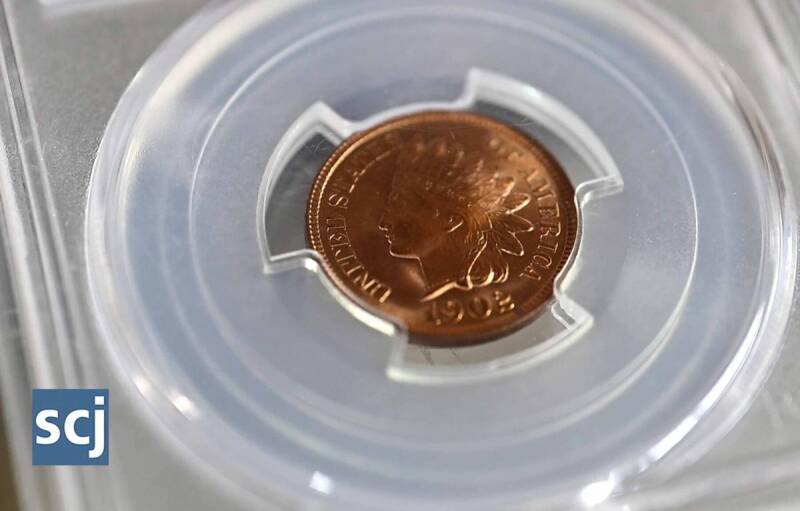



The US government is losing millions producing pennies and nickels. Could the nickel be next to be phased out? We analyze the costs, implications, and future of US coinage.
For years, the humble penny has been the subject of debate. Its production cost consistently exceeds its face value, leading many to question its continued existence. Now, the nickel is facing similar scrutiny.
In 2024 alone, the US government reportedly lost approximately $18 million producing pennies and a staggering $85 million minting nickels. That means it costs more than 5 cents to make a 5-cent piece! This financial burden raises serious questions about the sustainability of these coins in the long run.
The penny's struggle isn't new. The cost of copper and zinc, the metals that compose the penny, has long been a sticking point. Proposals to eliminate the penny have surfaced repeatedly, citing not just the cost but also the inconvenience it poses in transactions.
The nickel's situation is even more alarming. The significant loss incurred in its production suggests a deeper problem. Rising metal prices, particularly nickel and copper, are the primary drivers. These metals are crucial to the coin's composition, and fluctuations in their market value directly impact production costs.
This isn't just about saving a few million dollars. The rising cost of coin production has broader implications for the US economy and the way we handle everyday transactions.
In our opinion, the current situation with both the penny and the nickel is untenable. The government is essentially subsidizing the use of these coins, which benefits no one in the long run. The costs associated with their production far outweigh their practical value in modern transactions.
We believe a serious discussion is needed about the future of US coinage. While eliminating the penny has been debated for years, the nickel's situation demands immediate attention. Perhaps the time has come to consider alternative materials for coin production or explore entirely new approaches to small-denomination transactions.
This could impact the way businesses handle pricing. A world without the penny or nickel may see more rounding to the nearest dime. While some may initially resist this change, it could ultimately simplify transactions and reduce costs for both consumers and businesses.
The future of the nickel, and perhaps even the penny, is uncertain. Several factors will likely influence the outcome:
It is possible that we will see proposals for new, cheaper materials for coins. Another possibility is the gradual phasing out of the nickel and penny, perhaps with a period of dual circulation before they are fully retired. Ultimately, the decision will depend on a careful evaluation of the economic, social, and practical considerations involved. In our opinion, change is inevitable, and embracing it proactively will be crucial for ensuring a more efficient and sustainable monetary system.