Property Taxes and Rising Costs: Understanding the Municipal Budget Crunch
Explore why your property taxes might not be the sole culprit behind rising costs. Understand the municipal budget challenges and potential solutions.




Explore why your property taxes might not be the sole culprit behind rising costs. Understand the municipal budget challenges and potential solutions.
Many homeowners feel the pinch of rising property taxes, and it's easy to assume that's the whole problem. However, a deeper look reveals a more complex picture. Municipalities are facing a perfect storm of rising costs and increasing demands for services, making it difficult to balance the books without difficult trade-offs.
Think about it: the price of everything is going up. From road repairs to police salaries to the cost of electricity for streetlights, municipalities are paying more for the same services. Inflation is a significant factor, eroding the purchasing power of existing tax revenues. For example, a pothole repair that cost $1000 last year might cost $1200 this year due to increased material and labor costs. This can lead to budget shortfalls. The cost of everything in the public sector is inflating in ways that are often difficult to control.
At the same time, citizens are demanding more from their local governments. We want better schools, safer streets, improved parks, and a wider range of social services. This puts further strain on already stretched budgets. New housing developments also contribute to this demand. More residents require more resources. The need for improved infrastructure in cities continues to grow.
Understanding the factors driving municipal budget challenges is crucial for every citizen. Simply blaming property taxes ignores the underlying problems. Recognizing the broader economic context allows for more informed discussions about potential solutions. It's important to realize that this isn't just a local issue; it reflects broader economic trends affecting communities across the country. These issues also impact the quality of life and the value of real estate in your local community.
In our opinion, focusing solely on property tax rates as the solution is short-sighted. While keeping taxes reasonable is important, it's equally vital to address the underlying issues of rising costs and service demands. Municipalities need to explore innovative ways to improve efficiency, attract new revenue streams, and prioritize spending effectively. A key component would be improving the infrastructure.
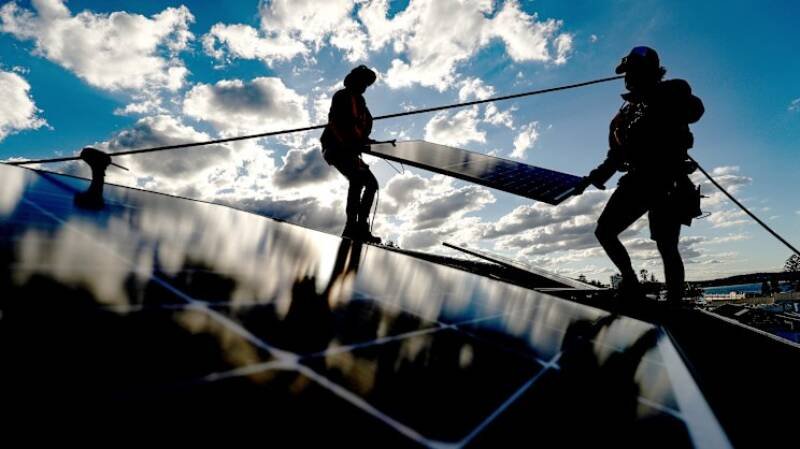
For example, investing in energy-efficient infrastructure can reduce long-term operating costs. Exploring public-private partnerships could bring in private capital to fund new projects. Furthermore, a more comprehensive tax system that considers multiple revenue streams could alleviate the burden on property owners.
Hard choices need to be made. Municipalities can't be everything to everyone. Determining which services are essential and which can be scaled back or eliminated is a difficult but necessary process. This requires open and transparent communication with residents to ensure they understand the trade-offs being made.
The challenges facing municipal budgets are likely to persist in the coming years. Inflation is expected to remain elevated, and demand for services will likely continue to grow. This could impact everything from school funding to road maintenance if the problems are not addressed in effective ways. Without proactive measures, municipalities could face increasing budget deficits, leading to service cuts or further tax increases.
Ultimately, addressing this requires a collaborative effort involving local governments, state legislatures, and even the federal government. Innovative solutions and sustainable funding models are needed to ensure that municipalities can continue to provide essential services without overburdening taxpayers. The status quo is unsustainable. In the future, we can expect to see more of these issues at a municipal level as governments struggle to meet the needs of the communities.