Retired Father Seeks Maintenance from Wife for Special Needs Son: A Landmark Case
A retired father in Bhopal is seeking maintenance from his estranged wife to care for their mentally challenged son. Understand the implications of this unique family court case.
Retired Father Seeks Maintenance from Wife for Special Needs Son: A Landmark Case in Bhopal
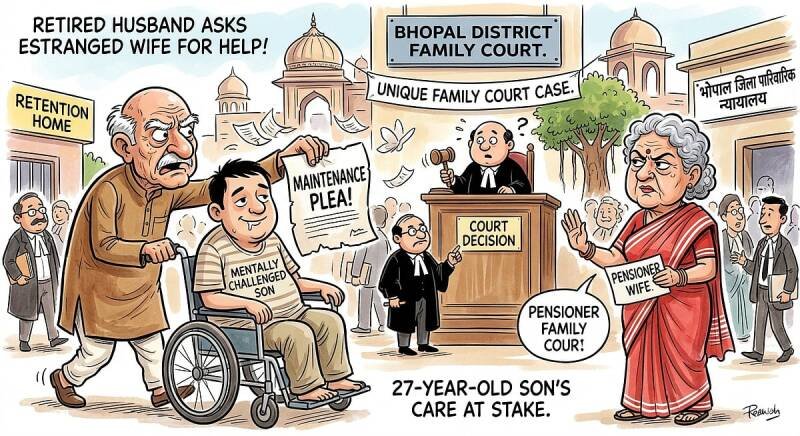
In a truly exceptional case unfolding in Bhopal, India, a retired government employee is petitioning his estranged wife for financial support. His reason? To ensure their 27-year-old mentally challenged son receives the care he needs. This case highlights the complexities of divorce, parental responsibility, and the often-overlooked needs of adult children with disabilities.
The Situation
The couple, both receiving pensions after their government service, have been living apart for eight years. Divorce proceedings are ongoing, a testament to a deeply strained relationship. Adding another layer to the situation, the family court had previously divided custody of their two sons, granting custody of one son to each parent. Now, the father is arguing that he requires financial assistance from his wife to adequately care for their son who requires constant support.
Why This News Matters
This case is significant for several reasons. First, it challenges conventional assumptions about alimony and maintenance. Typically, maintenance is sought by a wife from her husband, particularly when she is financially dependent. This case flips the script. Second, it emphasizes the ongoing parental responsibility for children with special needs, even after they reach adulthood. The needs of individuals with mental challenges often extend far beyond the typical age of dependency, placing a significant burden on caregivers. Third, it could set a precedent for similar cases, potentially influencing how family courts approach financial support for adult children with disabilities in the context of divorce.
Our Analysis
This case brings several issues to the forefront. The father's decision to seek maintenance from his wife suggests that his pension income may be insufficient to meet the considerable needs of his son. Caring for an adult child with a mental disability can involve significant expenses, including medical care, therapy, specialized equipment, and constant supervision. The fact that both parents are pensioners means resources are inherently limited. In our opinion, the court will have to carefully assess the financial circumstances of both parents, as well as the specific needs of the son, to arrive at a just and equitable decision.
Furthermore, the court will likely consider the reasons for the separation and the ongoing divorce proceedings. While the breakdown of the marriage is unfortunate, the primary focus must remain on ensuring the well-being of the son. This could involve a thorough examination of the expenses involved in providing proper care and a determination of each parent’s ability to contribute.
Future Outlook
The outcome of this case could have far-reaching implications. Here's what we expect:
- Increased Awareness: This case will likely raise awareness about the financial challenges faced by families caring for adult children with disabilities.
- Potential Legal Precedent: If the court rules in favor of the father, it could set a legal precedent for similar cases in the future.
- Policy Implications: This case might prompt policymakers to re-evaluate existing laws and policies related to alimony, maintenance, and support for individuals with disabilities.
This could impact how family courts handle divorce cases involving special needs dependents. In our opinion, a fair resolution would involve a careful assessment of each parent's financial capabilities and the actual cost of care for the son, ensuring his needs are met without placing an undue burden on either parent. The court might also consider a structured plan for managing the son's care, potentially involving a trust fund or other mechanisms to ensure long-term financial stability.
Ultimately, the court's decision will serve as a crucial indicator of how our legal system values and protects the rights and well-being of vulnerable individuals within the context of complex family dynamics.