Saving Giant Sequoias: Wildfires Threaten Iconic Trees
Wildfires have killed nearly 20% of giant sequoias. Learn how crews are racing to save these ancient trees and what the future holds.
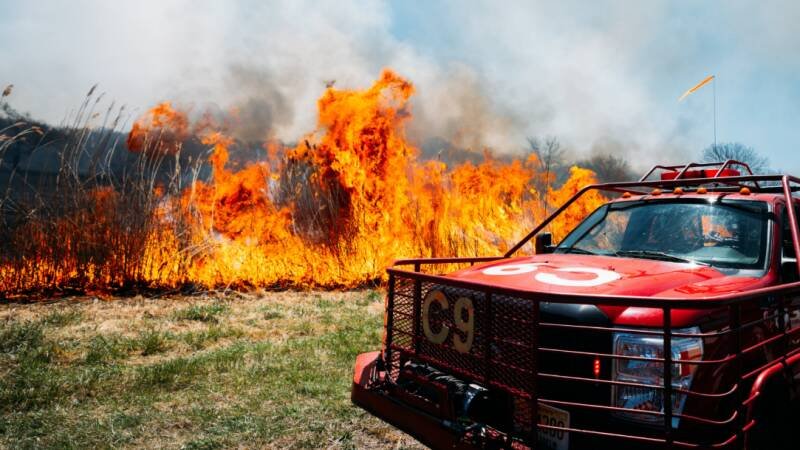



Wildfires have killed nearly 20% of giant sequoias. Learn how crews are racing to save these ancient trees and what the future holds.
Giant sequoias, the majestic and ancient trees that define the Californian landscape, are facing an unprecedented threat. In the past five years, devastating wildfires have killed nearly 20% of the world's giant sequoia population. This shocking loss has sparked a desperate race to protect the remaining trees and ensure the survival of this iconic species.
These trees, some of which have stood for over 3,000 years, are uniquely adapted to fire. Historically, low-intensity fires cleared underbrush, allowing sequoia seedlings to thrive. However, climate change has fueled more intense and destructive wildfires, overwhelming the trees' natural defenses.
Recent fires, exacerbated by drought and overgrown forests, have reached scorching temperatures that even these giants cannot withstand. The heartbreaking scenes of these ancient trees succumbing to the flames have galvanized conservation efforts.
The loss of giant sequoias is not just an environmental tragedy; it's a sign of the escalating impact of climate change on our ecosystems. These trees are carbon sinks, playing a vital role in mitigating climate change. Their disappearance has a ripple effect, impacting biodiversity and the health of the entire forest ecosystem. Furthermore, these trees have enormous cultural and historical value. Losing them diminishes our natural heritage. In our opinion, preserving these iconic trees is a moral imperative.
The primary driver of this crisis is the combination of climate change and poor forest management practices. Decades of fire suppression have led to a build-up of flammable underbrush, creating conditions for catastrophic wildfires. Climate change, with its hotter temperatures and prolonged droughts, has further amplified the risk. Addressing this crisis requires a multi-pronged approach, including:
In our opinion, a shift in forest management philosophy is crucial. We need to move away from fire suppression and embrace strategies that promote forest health and resilience. This includes embracing prescribed burns, mimicking natural fire cycles to reduce fuel loads and promote healthy forest regeneration.
The future of giant sequoias hangs in the balance. While the situation is dire, there is still hope. Ongoing conservation efforts, including strategic thinning and prescribed burns, are showing promise. However, these efforts need to be scaled up significantly to protect the remaining sequoias.
This could impact future generations if sufficient intervention is not implemented. We need innovative solutions and a long-term commitment to ensure the survival of these magnificent trees. Success hinges on a collective effort involving government agencies, conservation organizations, and the public. Raising awareness and promoting responsible forest stewardship are essential steps in securing a future for giant sequoias.
Despite the devastating losses, sequoias have a remarkable ability to regenerate. After a fire, their cones release seeds, and seedlings often sprout in the burned areas. Protecting these seedlings from future fires and ensuring they have access to water and sunlight is crucial for the long-term recovery of the sequoia population. These trees are resilient, but they need our help. Only through sustained and collaborative action can we hope to save these giants for future generations.