Hurricane Preparedness: Staying Safe and Informed in Aiken County
Learn about hurricane preparedness in Aiken County, South Carolina. Expert insights from David Myers and the Emergency Operations Center on staying safe during hurricane season.
Hurricane Preparedness: What You Need to Know in Aiken County
Hurricane season is a serious time of year, especially for those living in coastal areas. But even inland communities like Aiken County, South Carolina, need to be prepared. May is Hurricane Preparedness Month, a great time to review your plans and make sure you're ready for any potential storms.
Understanding the Risks
While Aiken County isn't directly on the coast, hurricanes can still impact the area. They can bring strong winds, heavy rain, and even flooding. These conditions can lead to power outages, property damage, and dangerous situations. That's why it's crucial to take hurricane preparedness seriously, no matter where you live.
Expert Advice from David Myers and the Emergency Operations Center
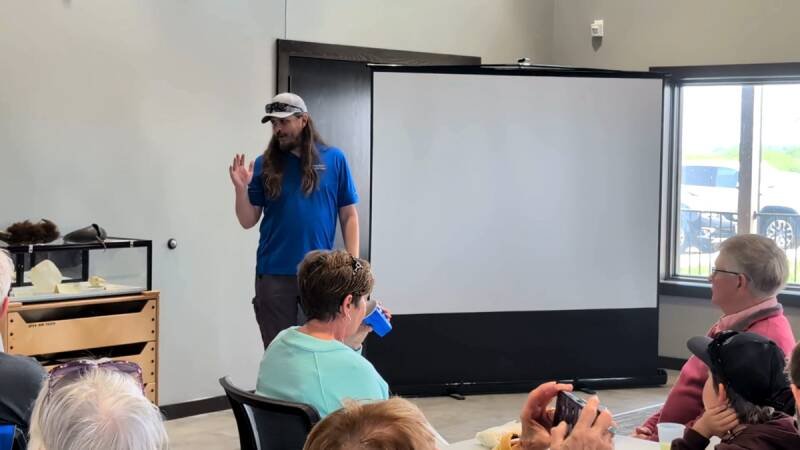
The Aiken County Emergency Operations Center (EOC) plays a vital role in coordinating the county's response to emergencies, including hurricanes. Individuals like David Myers are key players in helping the community understand the risks and prepare effectively. They provide valuable information and resources to help residents stay safe.
Key Steps to Prepare for a Hurricane
Here's what you can do to get ready for hurricane season:
- Create a Disaster Plan: Talk to your family about what to do in case of a hurricane. Designate a meeting place and create a communication plan.
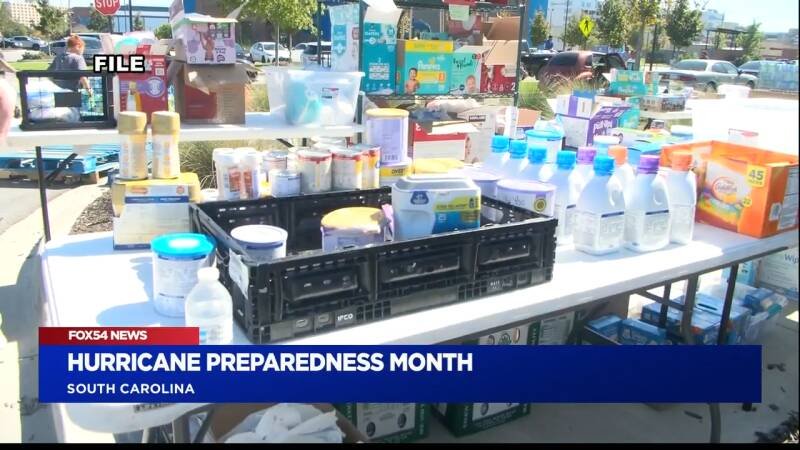
- Build a Disaster Kit: Stock up on essential supplies, including food, water, medicine, a first-aid kit, a flashlight, and a battery-powered radio. Don't forget important documents!
- Stay Informed: Monitor weather forecasts from reliable sources like the National Weather Service and local news outlets.
- Secure Your Home: Trim trees and shrubs, secure loose objects, and consider installing storm shutters or reinforced windows.
- Know Your Evacuation Route: If you live in an area prone to flooding, be aware of evacuation routes and have a plan for where you will go.
Why This News Matters
Hurricane preparedness isn't just a suggestion; it's a necessity. By taking proactive steps, you can protect yourself, your family, and your property from the potential impacts of a hurricane. Ignoring these warnings can have serious consequences. Preparedness can save lives and minimize damage.
Our Analysis
The emphasis on local resources like the Aiken County Emergency Operations Center is crucial. Residents need to know who to turn to for accurate information and assistance. David Myers' involvement suggests a concerted effort to educate the community and build resilience. The detailed checklist of preparedness steps provides actionable advice that anyone can follow.
The Importance of Community Engagement
The EOC’s active participation during Hurricane Preparedness Month signifies a proactive approach to disaster management. This type of community engagement is essential to create a culture of preparedness. It builds confidence and ensures that residents are better equipped to handle emergencies.
Potential Shortcomings and Areas for Improvement
While the information is helpful, continuous improvement is needed. For instance, the EOC could benefit from expanding its outreach through social media and community events to reach a wider audience. Regular drills and simulations can also help to reinforce preparedness measures and identify potential gaps.
Future Outlook
As climate change continues to impact weather patterns, the intensity and frequency of hurricanes may increase. This means that hurricane preparedness will become even more critical in the years to come. Communities like Aiken County must invest in infrastructure improvements and continue to educate residents about the risks. In our opinion, regular reviews and updates to emergency plans are vital to ensure they remain effective in the face of evolving threats. This could impact how emergency services are allocated, potentially creating more localized response teams.
Long-Term Strategies for Resilience
Building long-term resilience requires a multi-faceted approach. This includes strengthening infrastructure, promoting sustainable development practices, and fostering a culture of preparedness. By working together, communities can minimize the impact of hurricanes and build a more secure future. The investment now will provide returns in the long run.
The Role of Technology in Hurricane Preparedness
Advancements in technology can also play a significant role in hurricane preparedness. From improved forecasting models to real-time communication systems, technology can help us better understand and respond to these events. The EOC can leverage these technologies to enhance its capabilities and provide more timely and accurate information to the public.