Nagpur Power Outages: Heatwave Makes Situation Critical - Analysis & Future Outlook
Nagpur residents face extended power outages during a severe heatwave. Our analysis explores the impact, reasons, and future solutions to this critical situation.
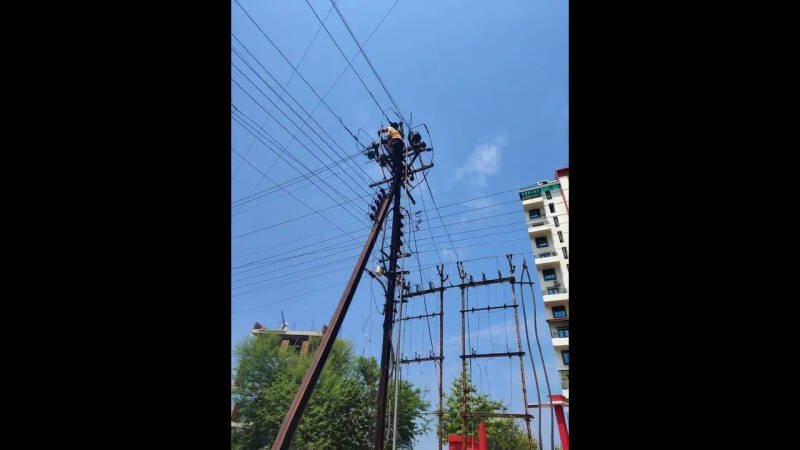



Nagpur residents face extended power outages during a severe heatwave. Our analysis explores the impact, reasons, and future solutions to this critical situation.
Nagpur, already battling a scorching heatwave with temperatures soaring to a blistering 44.2 degrees Celsius, is facing another crisis: frequent and prolonged power outages. Residents in South Nagpur, particularly in the southwest and south areas, are enduring hours without electricity, exacerbating the already unbearable conditions.
Reports indicate that some areas have experienced power cuts lasting as long as six hours. This comes at the worst possible time, as people rely heavily on fans, air conditioners, and refrigerators to cope with the extreme heat. Imagine trying to sleep, work, or even just stay hydrated without electricity in such intense conditions.
These unexpected outages are not just an inconvenience; they are a significant health risk, especially for vulnerable populations like the elderly, children, and those with pre-existing medical conditions. Without access to cooling, the risk of heatstroke and other heat-related illnesses increases dramatically.
This situation in Nagpur is more than just a local issue. It highlights a critical vulnerability in our energy infrastructure and raises serious questions about preparedness for extreme weather events. If a major city like Nagpur, a key economic hub in Maharashtra, can experience such severe power disruptions, it suggests a broader systemic problem that needs urgent attention.
The power outages disrupt daily life, impact businesses, and strain resources. They also raise concerns about the reliability of the power grid in the face of increasingly frequent and intense heatwaves, a consequence of climate change.
In our opinion, several factors likely contribute to these power outages. Firstly, the increased demand for electricity during the heatwave puts immense strain on the power grid. Older infrastructure, unable to handle the surge in demand, may be susceptible to failures and breakdowns.
Secondly, maintenance issues and a lack of investment in upgrading the power grid could be playing a significant role. Regular maintenance is crucial to ensure the smooth functioning of electrical infrastructure, but it often gets neglected due to budget constraints or other priorities.
Finally, inefficient energy management practices and a reliance on outdated technologies might be exacerbating the problem. A more modern and resilient power grid is needed, incorporating renewable energy sources and smart grid technologies to improve efficiency and reliability.
This situation also raises questions about whether the local and state authorities have adequate contingency plans in place to deal with such crises. Clear communication with the public about the causes of the outages and expected restoration times is also essential.
The future outlook depends on the actions taken now. Investment in upgrading the power grid, improving energy efficiency, and diversifying energy sources is crucial. This includes exploring renewable energy options like solar and wind power, which can help reduce reliance on traditional power plants and enhance the resilience of the energy system.
Furthermore, implementing smart grid technologies can improve grid management and allow for faster detection and resolution of faults. This would also enable better communication with consumers, providing them with real-time information about power outages and estimated restoration times.
This could impact the economic growth of the region if these outages continue. Businesses, especially those reliant on a continuous power supply, could suffer significant losses. It could also deter investment in the region, as businesses seek locations with more reliable infrastructure.
In our opinion, a coordinated effort involving government agencies, energy companies, and consumers is needed to address this issue effectively. This includes developing comprehensive energy policies that prioritize grid modernization, energy efficiency, and renewable energy development.
Without immediate and decisive action, Nagpur and other cities could face similar crises in the future, as climate change continues to drive more frequent and intense heatwaves.