Gibraltar Monkeys Eating Soil: A Clever Trick for Junk Food Diets?
Gibraltar's Barbary macaques are eating soil to combat stomach problems from human junk food. Learn why this matters and what it means for the future.
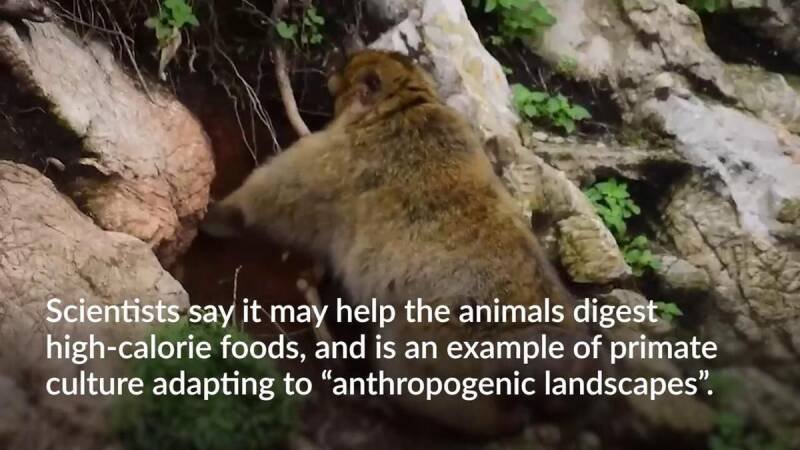



Gibraltar's Barbary macaques are eating soil to combat stomach problems from human junk food. Learn why this matters and what it means for the future.
The famous Barbary macaques of Gibraltar, known for their playful interactions with tourists, have a clever trick up their sleeves. Scientists have observed these monkeys eating soil more often, a behavior they believe is linked to their consumption of human snacks. It seems these intelligent primates are using the earth to soothe their tummies after indulging in junk food offered by well-meaning, but ultimately unhelpful, visitors.
Researchers noticed an increase in geophagy – the practice of eating soil – among the Gibraltar macaques. While animals sometimes eat soil for minerals, the scientists suspect a different motive in this case. They believe the soil helps the monkeys neutralize the toxins or acidity that result from digesting processed human food. It's essentially nature's antacid!
Think of it like this: you eat something that doesn't agree with you, and you might reach for some over-the-counter medication. The monkeys are doing the same, but using the natural resources around them. This is fascinating example of animals adapting to an environment increasingly shaped by human behavior.
This discovery highlights the complex relationship between humans and wildlife in tourist areas. While interactions with animals can be enjoyable for both parties, it's crucial to understand the potential negative consequences of human behavior on animal health. Feeding wild animals, even seemingly harmless snacks, can disrupt their natural diets and lead to health problems. The monkeys eating soil are essentially reacting to our actions. This underlines the need for responsible tourism that prioritizes the well-being of the local fauna.
In our opinion, this is a sign that we need to be more mindful of our impact on wildlife. While the monkeys' adaptation is interesting, it's not a sustainable solution. Constant exposure to junk food can lead to long-term health problems, even if the monkeys are mitigating the immediate effects with soil consumption. We must consider whether allowing the habituation of wildlife in areas of human habitation and tourism is ethical, if the habituation can be controlled and modified.
The study also raises important questions about the composition of the soil the monkeys are eating. Is it contaminated with pollutants? Does it provide the necessary minerals to truly balance out the effects of processed food? Further research is needed to fully understand the implications of this behavior.
Several steps need to be taken to address this issue. These include:
This situation also presents an opportunity for conservation efforts. By understanding the monkeys' adaptive behaviors, we can develop strategies to protect their health and ensure their long-term survival. This could impact other areas of tourist-wildlife interaction in the future.
Ultimately, the story of Gibraltar's monkeys is a reminder that our actions have consequences. By being more responsible and respectful of wildlife, we can create a more sustainable and harmonious relationship with the natural world. This is important for the well being of both animals and humans.