Gibraltar Monkeys Eat Soil: A Clever Trick for Avoiding Junk Food Aches
Gibraltar's Barbary macaques have developed a unique solution to avoid stomach problems from eating human snacks: eating soil. Learn why this matters and what the future holds for these clever monkeys.
Gibraltar's Monkeys Discover a Natural Remedy for Junk Food Overload
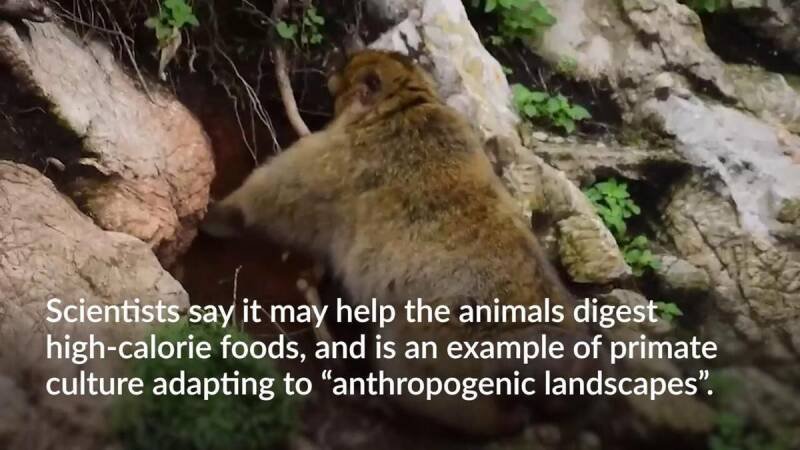
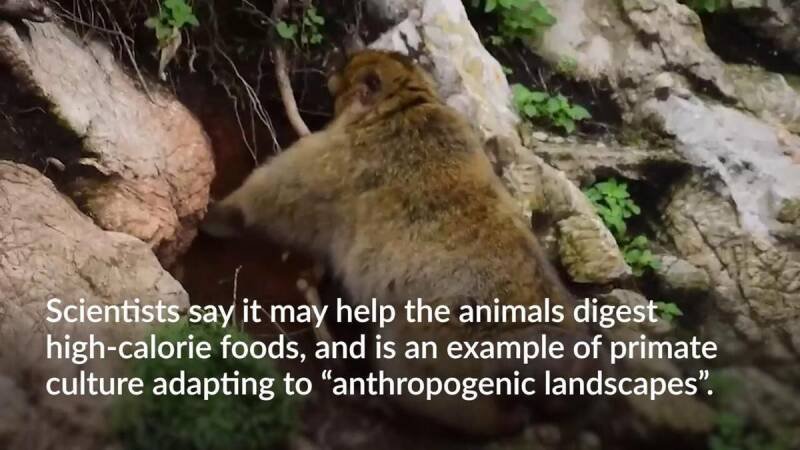
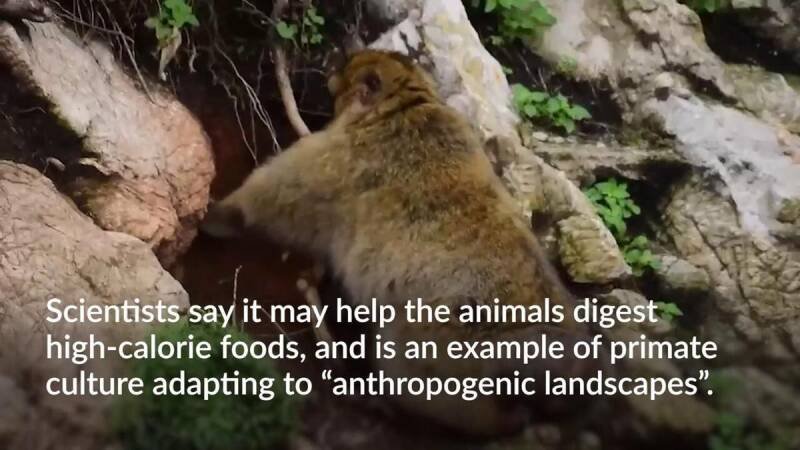
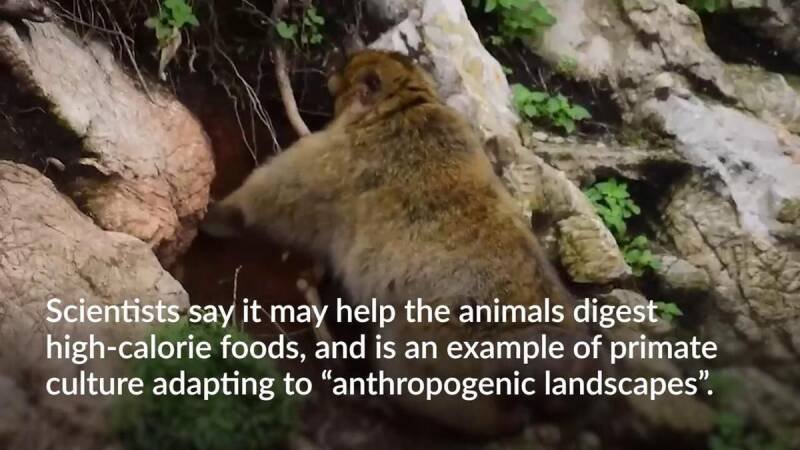
The Barbary macaques of Gibraltar, famous for their interactions (and sometimes confrontations) with tourists, have seemingly found a natural solution to a modern problem: junk food. Researchers have observed that these monkeys are increasingly eating soil, a behavior they believe helps the macaques cope with the digestive distress caused by consuming human snacks.
What's Happening?
Gibraltar's monkey population is a popular tourist attraction, and unfortunately, this often leads to the animals being fed by visitors. While seemingly harmless, these human snacks are often high in sugar, salt, and processed ingredients that aren't part of the macaques' natural diet. This can cause stomach upset, similar to how eating too much junk food can affect humans.
To combat this, researchers have noticed an increase in "geophagy," or soil-eating, among the macaques. It's a clever adaptation to the environmental changes created by humans.
Why This News Matters
This observation highlights the complex ways in which animals adapt to changes in their environment, especially those caused by human activity. It also raises important questions about the impact of tourism on wildlife and the potential need for intervention to protect the health and well-being of these animals.
Furthermore, understanding the specific properties of the soil the monkeys are consuming could have broader implications for animal nutrition and even potentially inspire new natural remedies for digestive issues.
Our Analysis
In our opinion, the macaques' adoption of geophagy is a fascinating example of natural problem-solving. The monkeys are clearly intelligent enough to recognize the link between certain foods and stomach discomfort and to seek out a natural remedy. This underscores the importance of respecting wildlife and understanding their behavioral adaptations in human-impacted environments.
It is also important to consider whether the soil itself provides essential minerals that the monkeys are lacking due to their altered diet. Further investigation is needed to understand the full nutritional value of the soil consumed by the macaques.
The Downsides of Human Snacks
The fact that monkeys are forced to adapt in this way due to junk food is concerning. It shows that seemingly harmless tourist behavior can have unintended negative consequences for the health and well-being of wildlife. The long-term effects of this altered diet and the increased soil consumption are still unknown.
Future Outlook
The future health and behavior of the Gibraltar macaques will likely depend on several factors:
- Regulation of Tourist Feeding: Stricter regulations and enforcement to prevent tourists from feeding the monkeys unhealthy snacks are crucial.
- Dietary Supplementation: Providing the monkeys with a balanced, natural diet through controlled feeding programs could reduce their reliance on junk food and soil consumption.
- Soil Analysis: Further research is needed to analyze the soil the monkeys are consuming to determine its composition and potential health benefits.
- Behavioral Monitoring: Continued monitoring of the macaques' behavior and health will be essential to assess the long-term impact of this adaptation.
This could impact conservation efforts for the species, as altered diets could create new health challenges for these animals. It is important to remember that even small changes in animal behavior can be significant and worthy of examination.
The Bigger Picture
Ultimately, the story of Gibraltar's soil-eating monkeys serves as a reminder of the interconnectedness of ecosystems and the far-reaching consequences of human activities. By understanding and addressing the challenges faced by these animals, we can gain valuable insights into conservation strategies and promote a more sustainable relationship between humans and wildlife.
This behavior, while fascinating, also serves as a reminder that even seemingly well-intentioned actions can have negative consequences for wildlife. We hope that these monkeys are studied further so that we can learn more about their health and how we can best protect their wild habitats.