Jamie Raskin's Reaction to Tone Down Trump Rhetoric: Analysis and Future Impact
Explore Jamie Raskin's reaction to toning down anti-Trump rhetoric after a potential assassination attempt. Our analysis covers the context, implications, and future outlook.
Jamie Raskin's Response to Trump Rhetoric Question: A Deep Dive
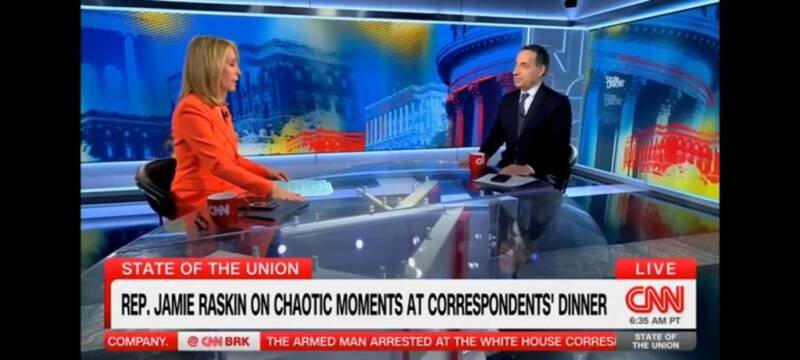
Following a reported assassination attempt against former President Donald Trump, Democratic Representative Jamie Raskin of Maryland was interviewed on CNN. During the interview, CNN's Dana Bash questioned Raskin about whether he or his party would reconsider their "heated" anti-Trump rhetoric. Raskin's reaction appeared to be one of surprise, sparking debate about the appropriate tone in today's polarized political climate. This article delves into the context, implications, and potential future impacts of this exchange.
The CNN Interview and Raskin's Reaction
The interview occurred shortly after news broke regarding a potential assassination attempt against Trump. Dana Bash directly asked Raskin whether the proximity of such an event would cause him to "think twice" about his and his party's frequent criticisms of the former president. Video footage shows Raskin seemingly taken aback by the question, leading to varying interpretations of his reaction across social media and news outlets.
Why This News Matters
This interaction is significant for several reasons. First, it highlights the ongoing debate about the role of political rhetoric in fueling extremism and violence. Second, it brings to the forefront the question of whether political leaders have a responsibility to modulate their language, especially in the wake of potentially inciting incidents. Finally, the exchange underscores the deep divisions within American politics and the challenges of finding common ground in a highly polarized environment.
Our Analysis
In our opinion, Raskin's apparent surprise likely stems from the deeply entrenched nature of political discourse in the United States. Both sides of the aisle have become accustomed to strongly worded criticisms and attacks against their opponents. Asking a politician to suddenly change their approach after years of engaging in this type of rhetoric is a substantial ask. It's also fair to assume that Raskin, known for his strong and consistent opposition to Trump, might view such a shift as a betrayal of his principles and supporters.
However, the timing of the question – directly after a reported assassination attempt – raises important ethical considerations. While freedom of speech is paramount, there's a legitimate concern that inflammatory rhetoric can contribute to a climate of violence. While a direct link between political speech and individual acts of violence is difficult to prove, the potential for incitement cannot be ignored. It's crucial for all political figures to be mindful of the impact of their words and to promote a culture of respectful disagreement, even in the face of strong political differences.
Future Outlook
This event could impact the way political rhetoric is discussed and perceived moving forward. Here are a few potential outcomes:
- Increased Scrutiny of Political Speech: We may see heightened scrutiny of political language, with media outlets and watchdog groups paying closer attention to potentially inflammatory statements.
- Pressure for Moderation: There could be increasing pressure on politicians from both parties to moderate their rhetoric, especially in the aftermath of violent incidents.
- Continued Polarization: Unfortunately, it's also possible that this incident will further entrench political divisions, with each side accusing the other of hypocrisy and bad faith.
- Raskin's Future Actions: How Raskin addresses this situation moving forward will be key. Will he double down on his criticism of Trump, or will he show a willingness to consider the impact of his words? This could significantly impact his public image and political career.
Ultimately, the future of political discourse depends on the willingness of leaders and citizens alike to engage in respectful dialogue and to reject violence and extremism. The exchange between Dana Bash and Jamie Raskin serves as a stark reminder of the challenges we face in achieving that goal.