Homalco First Nation Tackles Wildfires with Forest Thinning: A Model for Prevention
The Homalco First Nation is proactively fighting wildfires through forest thinning. Learn how this approach creates healthier forests and reduces wildfire risk, offering a model for other communities.
Homalco First Nation Leads the Way in Wildfire Prevention Through Forest Thinning
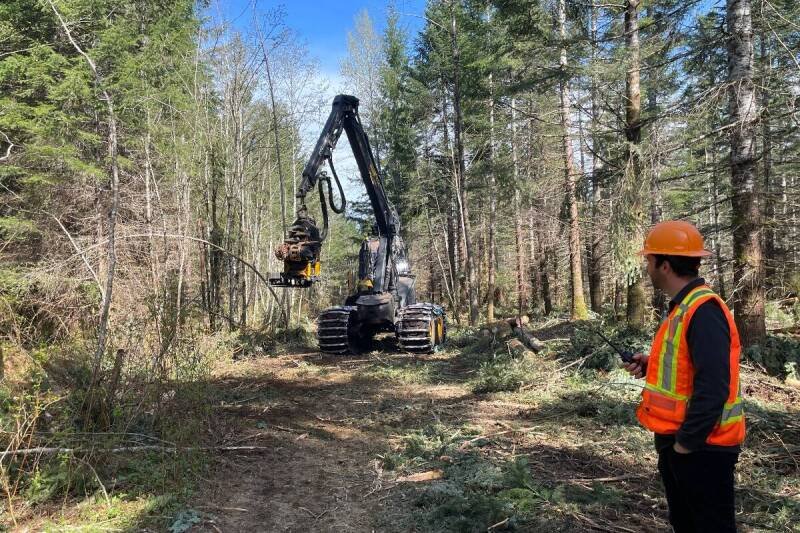
The Homalco First Nation in British Columbia is taking a proactive and innovative approach to wildfire management. Instead of simply reacting to fires, they're actively working to prevent them through a technique called forest thinning. This involves carefully removing smaller trees and underbrush, creating a healthier and more resilient forest.
Understanding Forest Thinning
Forest thinning isn't just about cutting down trees. It's a carefully planned process designed to improve the overall health and stability of the forest. By reducing the density of trees, the remaining trees have more access to sunlight, water, and nutrients. This makes them stronger and less susceptible to disease and insect infestations. It also reduces the amount of fuel available for wildfires to burn, making them less likely to start and spread.
The Homalco First Nation's approach incorporates traditional ecological knowledge passed down through generations. This Indigenous knowledge recognizes the interconnectedness of the forest ecosystem and aims to restore balance.
Why This News Matters
Wildfires are becoming increasingly frequent and severe due to climate change. This poses a significant threat to communities, ecosystems, and economies. The Homalco First Nation's approach provides a valuable model for other communities and organizations looking to mitigate wildfire risk and promote forest health. Their work demonstrates that proactive measures, combined with traditional knowledge, can be highly effective in preventing catastrophic wildfires. This shows that working *with* nature, rather than against it, yields tangible results.
The Broader Context of Wildfires
Wildfires aren't just an isolated problem. They contribute to air pollution, damage watersheds, and release large amounts of carbon dioxide into the atmosphere, further exacerbating climate change. Preventing wildfires is crucial for protecting both the environment and human health.
Our Analysis
In our opinion, the Homalco First Nation's forest thinning project is an exemplary initiative. It highlights the importance of combining scientific knowledge with traditional Indigenous practices for effective environmental management. This approach is a win-win: it reduces wildfire risk while simultaneously creating a healthier and more biodiverse forest ecosystem.
The success of this project could impact future forest management strategies across British Columbia and beyond. It offers a practical and sustainable solution to a growing problem and demonstrates the potential of Indigenous-led conservation efforts.
Future Outlook
The Homalco First Nation plans to continue and expand its forest thinning program. They also hope to share their knowledge and expertise with other communities and organizations. This could lead to the adoption of similar approaches across a wider geographical area.
Furthermore, this project could serve as a catalyst for increased funding and support for Indigenous-led conservation initiatives. In our opinion, recognizing and empowering Indigenous communities as stewards of the land is essential for achieving long-term environmental sustainability.
Potential Challenges
While forest thinning is a promising technique, it's important to acknowledge potential challenges. Careful planning and execution are essential to avoid unintended consequences, such as soil erosion or habitat disruption. It is vital to work closely with qualified professionals to ensure sustainability.
Overall, the Homalco First Nation's proactive approach to wildfire prevention offers a beacon of hope in the face of increasing environmental challenges. Their work highlights the power of collaboration, innovation, and traditional knowledge in creating a more sustainable future.