Will Climate Change Turn Wisconsin into Tornado Alley? Understanding the Rising Tornado Threat
Tornado activity is increasing in Wisconsin, with earlier and more frequent touchdowns. Explore the link to climate change, future risks, and what it means for the region.
Will Climate Change Turn Wisconsin into Tornado Alley? Understanding the Rising Tornado Threat
Wisconsin is experiencing a concerning trend: tornadoes are becoming more frequent and occurring earlier in the year. While the Badger State has always been susceptible to severe weather, recent patterns are raising questions about whether climate change is shifting traditional tornado activity and potentially pushing the boundaries of "Tornado Alley" northward.
The Facts: Increased Tornado Activity in Wisconsin
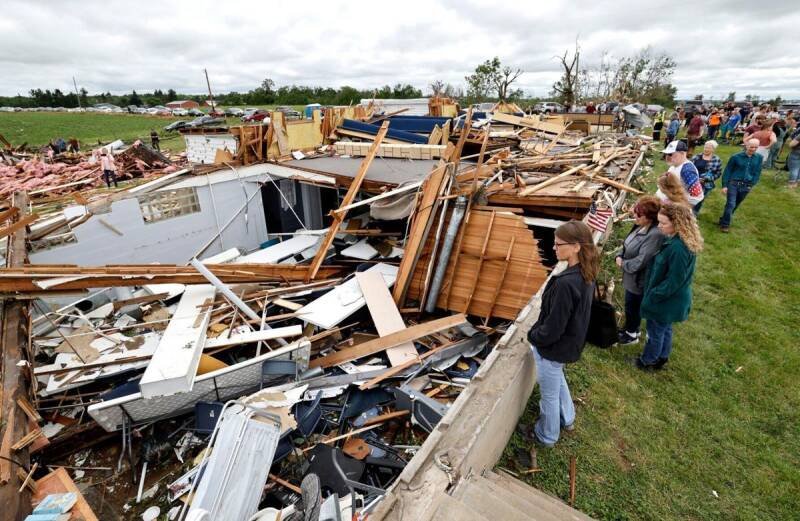
Reports indicate an increase in tornado touchdowns in Wisconsin. While historical data can be complex and subject to reporting biases, the general consensus among meteorologists is that the state is seeing more tornado events, and the season is starting earlier. This means residents need to be increasingly vigilant and prepared for severe weather threats.
Why This News Matters
This isn't just about more bad weather. Increased tornado activity has significant implications:
- Safety Concerns: More tornadoes mean a greater risk of property damage, injuries, and fatalities. Communities need to invest in early warning systems, shelters, and emergency preparedness training.
- Economic Impact: Tornadoes can devastate infrastructure, agriculture, and local businesses. The economic recovery from severe weather events can be lengthy and costly.
- Insurance Rates: Increased risk often translates to higher insurance premiums for homeowners and businesses, adding financial strain.
- Psychological Impact: Experiencing a tornado or its aftermath can lead to stress, anxiety, and mental health challenges for individuals and communities.
Our Analysis
The link between climate change and tornado activity is a complex and ongoing area of research. While it's difficult to definitively say that climate change causes more tornadoes, it's reasonable to suggest that it could influence the conditions that favor their formation.
One key factor is the increasing instability in the atmosphere. Climate change is leading to warmer temperatures and more moisture in the air, which can create the perfect conditions for severe thunderstorms that spawn tornadoes. Changes in jet stream patterns, potentially linked to climate change, could also be influencing where and when tornadoes occur. In our opinion, we can expect to see more frequent and severe weather events in the future.
The Role of Location
Traditionally, "Tornado Alley" is associated with the central plains of the United States, including states like Texas, Oklahoma, Kansas, and Nebraska. However, the geographical distribution of tornadoes is not static. Some studies suggest that tornado activity is shifting eastward and northward, potentially bringing increased risk to states like Wisconsin. It is possible, albeit alarming, that Wisconsin may begin to experience similar trends as current states in "Tornado Alley"
Future Outlook
Looking ahead, it's crucial to focus on several key areas:
- Continued Research: More research is needed to understand the complex relationship between climate change and tornado activity. This includes improving forecasting models and assessing the specific vulnerabilities of different regions.
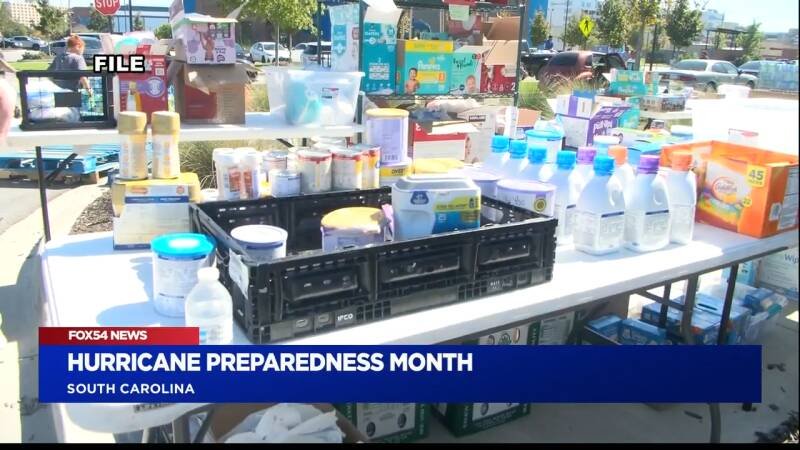
- Enhanced Preparedness: Communities in Wisconsin and other potentially at-risk areas need to invest in preparedness measures, such as early warning systems, public education campaigns, and the construction of storm shelters.
- Climate Action: Addressing climate change is essential to mitigating the long-term risks of severe weather. This requires reducing greenhouse gas emissions and transitioning to a more sustainable economy.
This could impact housing development plans. With more tornadoes, city planners will have to decide on new regulations on where it is safe to build.
The rising tornado threat in Wisconsin is a serious issue that demands attention. By understanding the risks, investing in preparedness, and taking action on climate change, we can work to protect communities and build a more resilient future. It's time to acknowledge that severe weather patterns are changing, and we must adapt accordingly.